

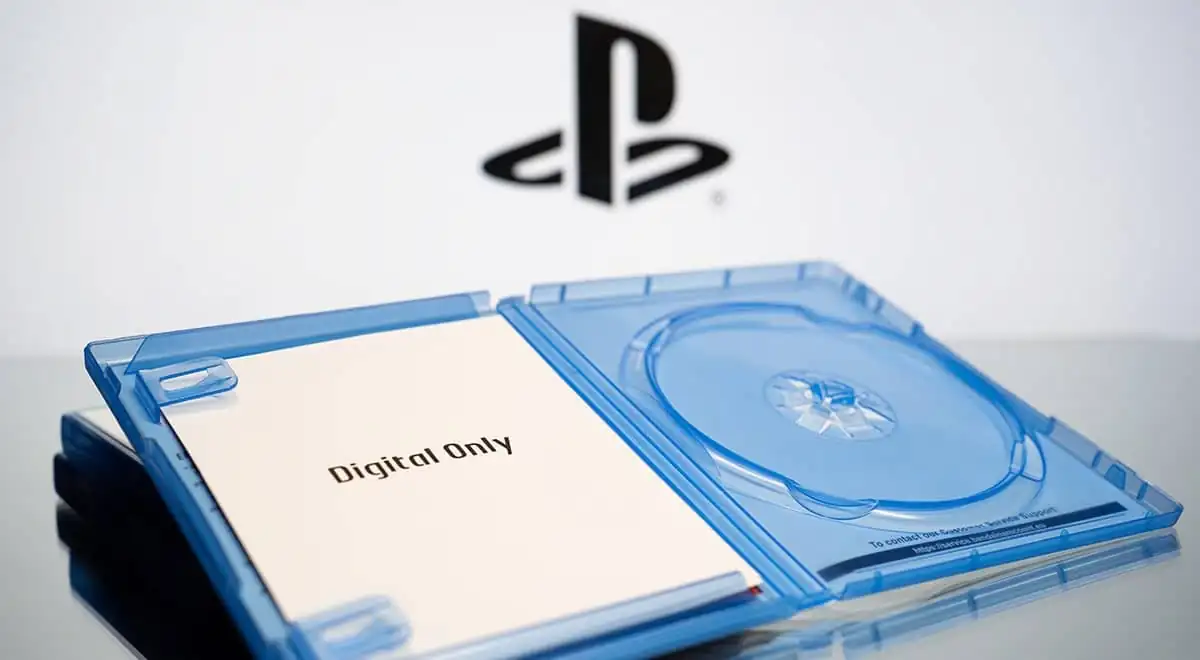

Sony Interactive Entertainment told a federal court on August 21, 2026, that the digital PlayStation games consumers purchase through the PlayStation Store are not owned by the people who buy them, but only licensed for personal, non-transferable use.
The statement was made in a legal filing responding to a proposed class-action lawsuit brought against Sony on June 18, 2026, in the U.S. District Court for the Northern District of California, by four PlayStation users who accuse the company of misleading customers about what they are actually paying for.
The case touches on a question that has grown more pressing as the video game industry moves further away from physical media and toward digital storefronts: what exactly consumers are acquiring when they pay full price for a game online. The PlayStation Store has used “Buy Now” and similar purchase language for years, and the dispute, formally captioned Heycock et al. v. Sony Interactive Entertainment, is one of several legal challenges Sony is currently facing over how it operates its digital storefront.
The lawsuit behind Sony’s licensing defense
The plaintiffs, Edward Heycock, Jason Mendoza, Andrew Garcia, and Josh Salinas, allege that Sony’s checkout language, including buttons labeled “Buy Now” and “Confirm Purchase,” creates the impression of a standard retail transaction rather than the granting of a limited license. Garcia is named in the filing as having purchased NBA 2K25, NBA 2K26, and Madden NFL 26 through the PlayStation Store.
According to the complaint, PlayStation fails to clearly and conspicuously disclose at the point of sale that these transactions do not transfer ownership of the digital games, relegating that information instead to disclaimers and separate legal agreements that consumers are never required to actively acknowledge before completing a purchase.

Sony filed its first substantive response to the complaint on August 21, 2026, requesting that the court compel arbitration and stay the proceedings, with a secondary request to dismiss the case outright should the arbitration motion be denied.
The company’s defense rests on its Software Product License Agreement, which states that “the Software is licensed to you, not sold,” alongside PlayStation’s Terms of Service, which describe digital purchases as personal, non-exclusive licenses rather than transfers of ownership. Both documents are linked at checkout, a detail Sony’s lawyers argue satisfies the disclosure requirements the plaintiffs claim were ignored.
Sony went further, arguing that digital ownership is inherently implausible because, unlike a physical disc, a digital file is not scarce and can exist as identical copies in multiple places at once, meaning no reasonable consumer would expect the same property rights that come with a physical purchase.
To illustrate the point, Sony’s filing noted that Mendoza purchased Resident Evil Requiem on February 14, 2026, and Heycock purchased the same title on February 25, 2026 for $69.99, arguing that such a transaction would have been impossible had Mendoza actually owned the copy he had paid for.
California’s AB 2426 and Sony’s compliance argument
The dispute centers heavily on California Assembly Bill 2426, a consumer protection law that took effect on January 1, 2025, adding Section 17500.6 to the state’s Business and Professions Code. Signed by Governor Gavin Newsom in September 2024 as part of a broader package of consumer protection legislation, the law applies to digital goods sold within the state, including video games, movies, music, and e-books.
It prohibits digital storefronts from advertising products using terms such as “buy” or “purchase” unless the seller either obtains affirmative acknowledgment from the consumer that they are receiving a revocable license, or displays a clear, plain-language statement to that effect, separated from the rest of the transaction’s terms.
The law exempts subscription services, free digital content, and goods that remain permanently accessible offline after purchase, and violations can result in civil penalties, restitution, and injunctive relief under California’s False Advertising and Unfair Competition statutes.
Sony argues that its existing checkout process already satisfies these requirements. Records reviewed by the outlet Game File show that the digital shopping cart page includes fine print noting the transaction is subject to both the PlayStation Terms of Service and the Software Product License Agreement.
Sony’s filing also cites Section 8.4 of the Terms of Service, which states that a purchase grants only a personal license, and a separate section stating that terms like “buy,” “purchase,” and “own” do not indicate any transfer of ownership of content, data, software, or intellectual property.
Around the same time as its court filing, Sony also sent an email to PlayStation account holders reminding them that when they purchase or download a digital product from the PlayStation Store, they are receiving “a personal licence to use digital products for private use,” not ownership of the underlying content. The email also restated language from the Terms of Service explaining that buyers receive only “a limited, non-exclusive, non-transferable, and personal license” to use the software for private, non-commercial purposes on the device it was intended for.
Sony is not alone in relying on this kind of language. Steam has added a warning to its own shopping cart page telling buyers they are purchasing a license to a game that can be revoked, and outlets that reviewed the terms of service for Xbox and Nintendo found broadly similar “licensed, not sold” wording in both.
Digital storefronts including Steam, Xbox, the Epic Games Store, and Apple’s App Store all continue to use “Buy” or “Purchase” language at checkout for products that are, legally, licenses rather than owned goods, which is part of why the outcome of Sony’s case is being watched closely across the industry. AB 2426 is already being tested elsewhere, too: GameStop is facing a separate complaint filed in January by a customer who alleges the retailer’s digital storefront failed to disclose licensing terms on a product page for Pokémon Legends: Arceus.
Beyond the disclosure argument, Sony’s August 21 filing also asked the court to compel arbitration and pause the proceedings entirely, with a request to dismiss the case outright if that motion fails. It is a classic one-two legal maneuver: try to move the fight out of open court and into private arbitration, and if that does not work, argue the case has no legal legs to stand on anyway. Whether the court agrees with either argument remains to be seen, but Sony is clearly not treating this lawsuit lightly.
A digital-only future already underway
Sony’s legal position arrives as the company prepares to discontinue physical disc production for new PlayStation titles beginning in January 2028, a cutoff it announced roughly a year and a half in advance. Sony Group Corporation CFO Lin Tao addressed the transition during the company’s July 31, 2026 earnings call, telling investors that “we’re going to cautiously move this forward” after weighing the decision carefully, and pointing to the broader digitalization of entertainment content as the primary driver behind it.
The numbers support that explanation: in the quarter ending June 30, 2026, digital software revenue outpaced physical sales by more than ninefold, and roughly 80 percent of all game sales on the platform during the same period were purchased digitally rather than on disc.
The filing drew strong criticism from parts of the gaming community soon after it became public, particularly given its proximity to Sony’s own decision to phase out physical media. A petition calling on Sony to keep manufacturing physical PlayStation discs has approached 200,000 signatures, and a segment of the community has organized a week-long boycott of PlayStation products and services in protest of the disc decision.
The backlash has reportedly extended to Sony’s own customer support staff, with the company said to have introduced internal guidance to protect employees from harassment as frustrated players direct their frustration at anyone connected to the brand. The case itself is now moving on a set schedule: the plaintiffs’ opposition to Sony’s arbitration motion is due September 4, Sony’s reply is due September 11, and a hearing on the motion has been scheduled for October 1, 2026. In July, lawmakers in Mexico separately filed a complaint alleging that ending physical disc production amounts to an anti-competitive practice.
Sony is also facing an unrelated class-action lawsuit in London, filed in 2022 on behalf of an estimated 12.2 million UK PlayStation Store customers, seeking nearly £2 billion in damages over allegations that Sony overcharged users for digital games and add-on content over nearly a decade; hearings in that case began in March 2026.
Whether the Northern District of California accepts Sony’s argument that digital ownership was never reasonably implied, or sides with the plaintiffs’ claim that the company’s disclosures fall short of what AB 2426 requires, the case is expected to influence how digital storefronts beyond PlayStation communicate licensing terms to consumers going forward.
What’s your take on all this: is Sony just stating the obvious, or is this the exact kind of corporate excuse gamers have been dreading? Let us know in the comments!