

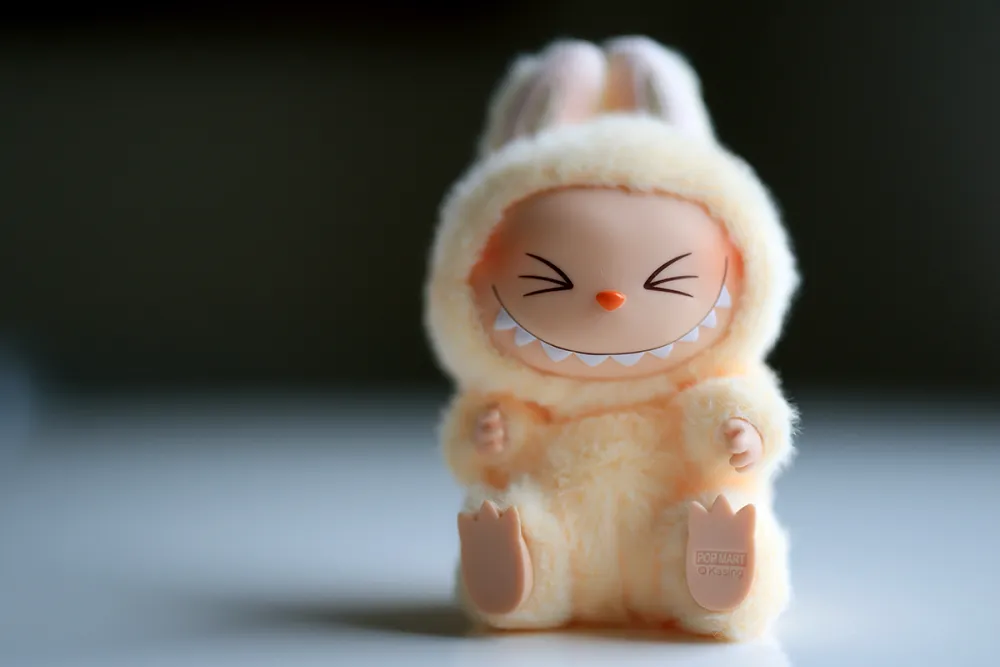

If you’ve scrolled through social media lately and spotted a peculiar creature with rabbit-like ears, sharp teeth, and an oddly endearing grin dangling from someone’s bag, congratulations, you’ve met Labubu. And now, this pint-sized phenomenon is making the leap from keychain to the big screen, courtesy of Sony Pictures.
The studio behind the Jumanji franchise and the animated series KPop Demon Hunters just locked down the screen rights to the Chinese doll brand this week, eyeing both a feature film and, if the stars align, a full-blown franchise. While it’s still early days, no producers, directors, or even a decision on whether it’ll be live-action or animated, the move signals Sony’s confidence in turning viral collectibles into box office gold.
From Hong Kong artist to global obsession
Labubu didn’t start as a calculated marketing machine. The character was born from the imagination of Kasing Lung, a Hong Kong-born artist based in Europe, and originally produced by How2 Work as part of a quirky monster figurine collection. But the real magic happened in 2019 when Chinese retail giant Pop Mart took over production and distribution, transforming these little monsters into a cultural juggernaut.
The explosion didn’t happen overnight, though. It took a few years and a perfect storm of two key ingredients. First, Pop Mart’s genius “blind box” strategy, buyers have zero clue which doll they’re getting until they rip open the package. It’s basically lottery tickets meets collectibles, and it works like a charm. The mystery factor doesn’t just drive sales; it ignites a feverish secondary market where collectors shell out eye-watering sums at pop-up shops, online marketplaces, and traditional stores. Limited edition pieces? We’re talking six-figure auction prices.
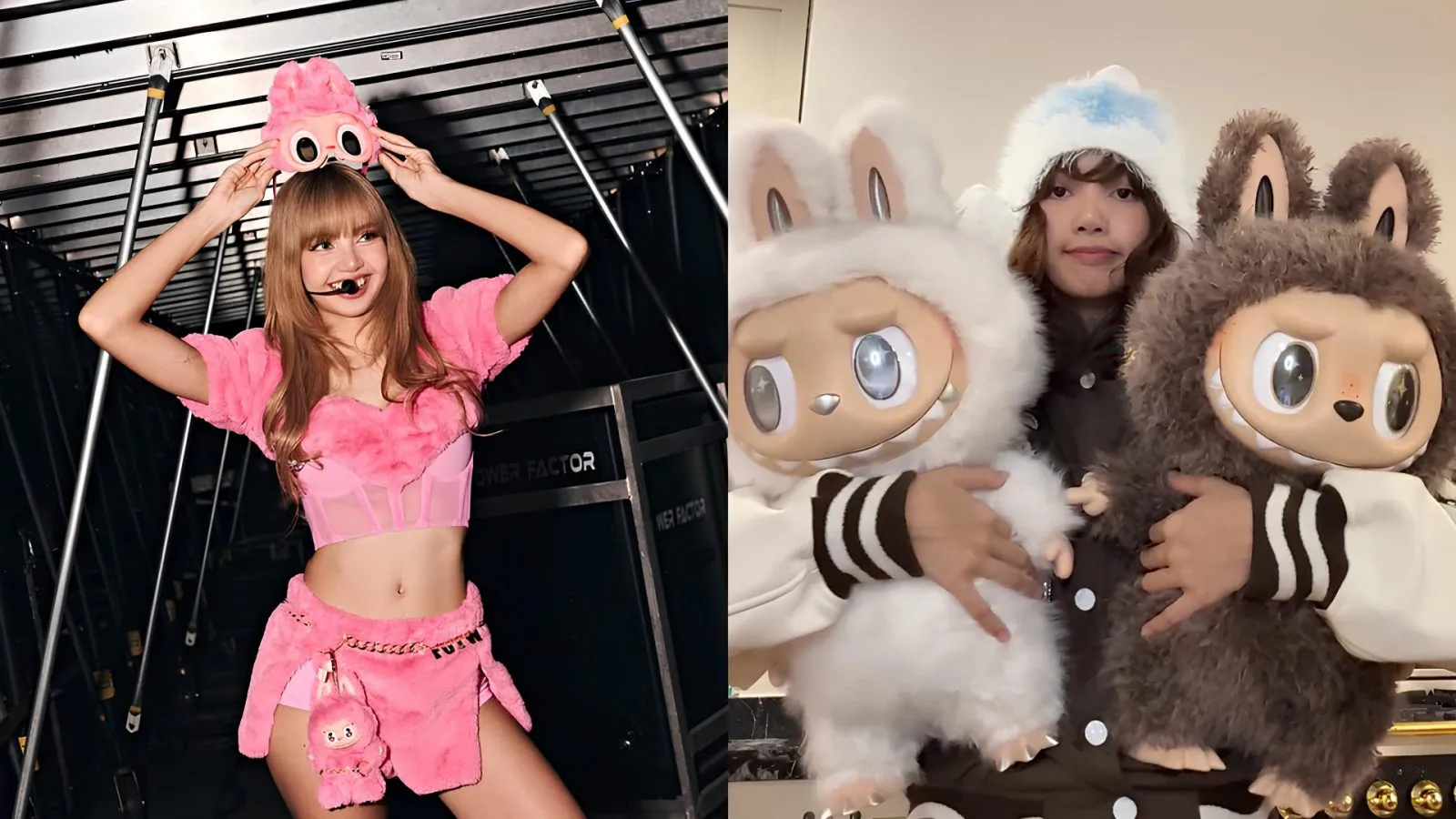
The second catalyst was celebrity endorsement, particularly from Blackpink’s Lisa, who turned Labubu into a fashion statement throughout 2024. When K-pop royalty adopts your toy as an accessory, you know you’ve hit the mainstream.
What started as a Southeast Asian sensation quickly snowballed globally. Pop Mart’s profits reportedly skyrocketed by 350 percent earlier this year, and Labubu, the flagship character alongside friends like leader Zimomo, companion Mokoko, and boyfriend Tycoco, became the face of a movement.
The toy-to-screen pipeline
Hollywood used to make movies that sold toys. Now? Toys are selling movies. The Lego Movie kicked off this trend back in 2014, proving that a brand without a pre-existing storyline could still crush it critically and commercially. Then Barbie came along and obliterated expectations, raking in over $1 billion worldwide and scoring eight Oscar nominations.
Sony clearly sees Labubu as the next contender in this arena. This week alone, the studio announced another toy-based project with Mattel Films centered on View Master, doubling down on the strategy.
Fad or forever?
The big question remains: Is Labubu the next Hello Kitty, destined for decades of relevance? Or will it fade like Beanie Babies once did? Only time, and ticket sales, will tell. But for now, those toothy grins are everywhere, and Sony’s betting they’ll look just as good on a movie poster.