



The man behind Serial Experiments Lain just dropped some hard truths about modern anime, and they’re not pretty.
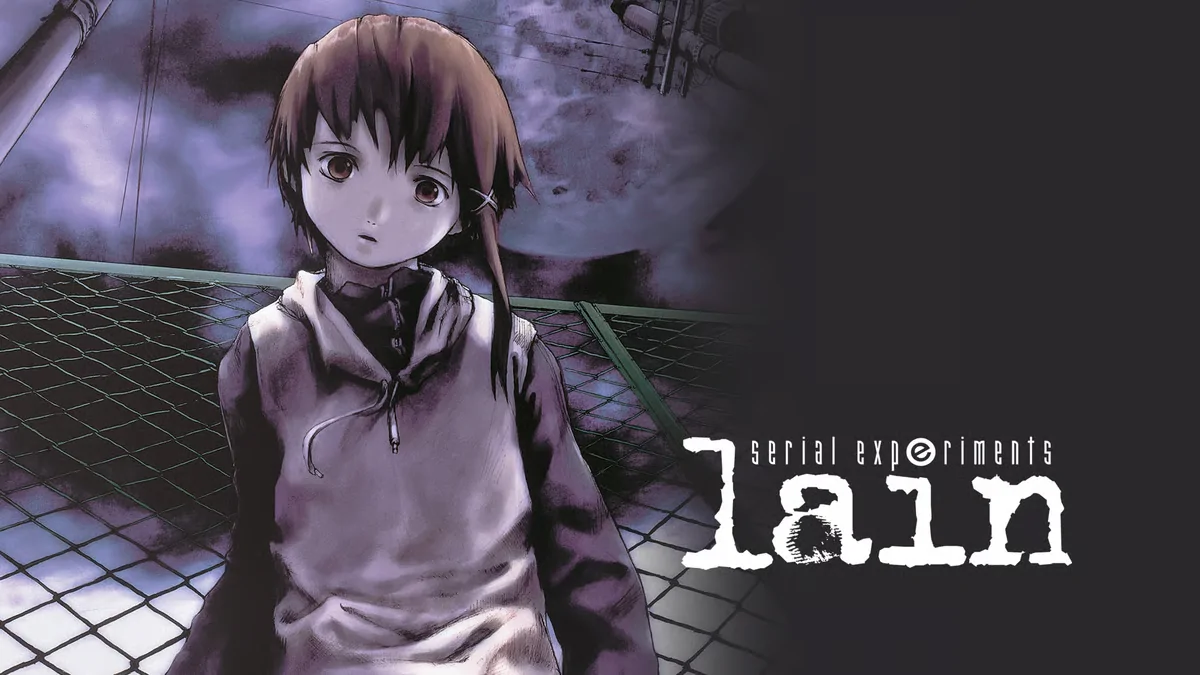
Taro Maki isn’t your average critic. This is the producer who brought us mind-bending classics like Serial Experiments Lain, Tokyo Godfathers, and Millennium Actress. So when he says the anime industry has gotten “superficial”, people listen. In a recent interview, Maki pulled no punches about what’s killing creativity in the medium he helped shape.
The numbers tell a sobering story. During the fall/winter 2025 season, a staggering 85.7% of anime were adaptations of manga, light novels, or games. That leaves a measly 14.3% for original content. Translation? The industry is playing it safe, and Maki thinks that’s a recipe for disaster.
Why playing it safe is killing anime
According to Maki, the problem starts at the top with what he calls “business producers”, executives more concerned with avoiding mistakes than taking creative risks. “In Japan, the evaluation system focuses on negative points rather than positive ones. Not making mistakes is the priority”, he explained.
This corporate fear culture has created an environment where experimental, challenging works get shelved in favor of guaranteed moneymakers. But here’s the kicker: even legendary directors like Hayao Miyazaki and Sunao Katabuchi needed room to fail before they created their masterpieces. The current system doesn’t allow for that kind of growth.
The 70/30 rule nobody’s following
Maki isn’t asking for the impossible. He suggests a balanced approach: 70% safe bets to keep the lights on, and 30% experimental projects to push boundaries and cultivate sophisticated audiences. Right now, that ratio is completely out of whack.
By eliminating “difficult to understand” or experimental anime, the industry risks stagnating entirely. Those weird, challenging shows that make you think? They’re not just artistic indulgences. They’re the breeding ground for the next generation of creative talent and the future classics everyone will be talking about in twenty years.
The stakes are higher than just artistic integrity. Without innovation and risk-taking, anime could lose its edge as a medium capable of telling truly unique stories. The very thing that made anime a global phenomenon, its willingness to go where other animation wouldn’t, is being suffocated by spreadsheets and corporate anxiety.
Maki’s warning is clear: the industry needs to remember that today’s experimental failure might be tomorrow’s cultural touchstone. Without that 30% of creative risk-taking, anime’s future looks a lot less colorful than its past.
Stay plugged into the latest anime industry news and geek culture updates at Geek Realm Hub, where we keep it real about what matters.