



Nvidia just confirmed what gamers feared, no new GPUs at CES 2026. For the first time in five years, the Green Team skipped its traditional hardware reveal, and the RTX 50 Super series that everyone expected?
Officially shelved, at least for this year. Even worse, the next-generation RTX 60 lineup won’t hit shelves until 2028 at the earliest, according to recent industry reports. The reason behind all this chaos is brutally simple: AI pays better than gaming.
The great memory shortage
The global DRAM crisis is hitting hard, but that’s only part of the story. Nvidia needs massive amounts of high-speed memory, GDDR7 and HBM, for both gaming cards and datacenter AI accelerators.
The difference? An H100 AI chip sells for $25,000 to $40,000, while the flagship RTX 5090 retails at $1,999. When you’re choosing between products with that kind of profit margin gap, gamers lose every time.
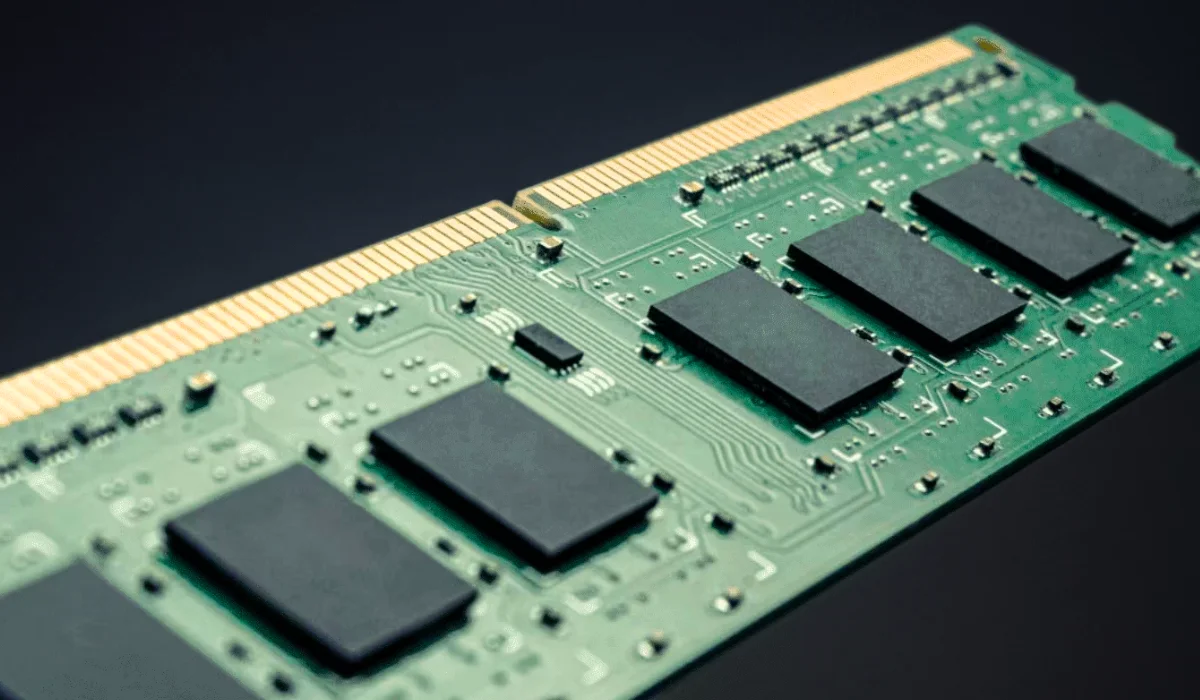
Reports from Board Channels and industry sources confirm Nvidia plans to slash GeForce RTX 50 series production by 30-40% during early 2026.
Models like the RTX 5070 Ti and RTX 5060 Ti 16GB are getting hit first, with AIB partners already reporting minimal supply. The RTX 50 Super refresh, originally rumored for a March-May 2026 launch with beefed-up VRAM configurations, has been indefinitely postponed.
Some leakers suggest it might resurface in Q3 2026, but Nvidia hasn’t even shared design specs with its board partners yet, which doesn’t inspire confidence.
AI is king, gaming takes the backseat
CEO Jensen Huang made Nvidia’s priorities crystal clear during CES 2026, stating the company has “evolved from a gaming GPU company to now an AI data center infrastructure company.”
In Q3 2025, datacenter revenue reached $51.2 billion compared to just $4.3 billion from gaming, a twelve-to-one ratio that speaks volumes. Huang’s enthusiasm about Blackwell AI chips being sold out barely mentioned gaming at all, which tells you everything about where the company’s focus lies.
The RTX 60 series was initially expected around mid-2027, following Nvidia’s traditional two-year cadence between GPU generations. Now, mass production reportedly won’t begin until late 2027, potentially pushing retail availability into 2028.
The Information and multiple hardware leakers suggest the RTX 60 lineup will use the Rubin architecture, specifically the GR20x GPU family, and should offer significant performance gains over Blackwell.
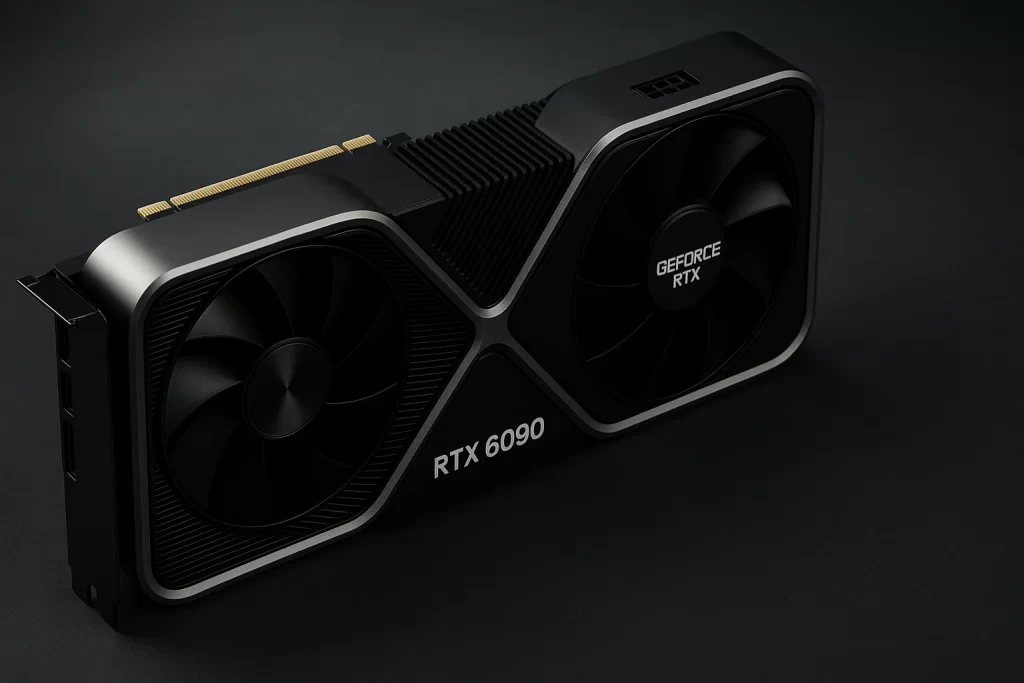
The RTX 6090 is rumored to deliver at least 30-40% better performance than the RTX 5090, but you’ll be waiting quite a while to get your hands on one.
Meanwhile, AMD isn’t launching new consumer GPUs in 2026 either, meaning Nvidia faces zero competition this year. Without pressure from Team Red, there’s little incentive for Nvidia to rush refreshed or new gaming products to market.
The situation looks grim for PC gamers planning builds in 2026 and 2027. Current RTX 50 series cards will remain your only high-end option for the foreseeable future, and with reduced production, expect prices to stay elevated.
Even older RTX 4000 and 3000 series cards might see increased demand and pricing as gamers scramble for alternatives. For those holding out hope for Super variants or the RTX 60 series, patience will be your best friend, just don’t expect miracles anytime soon.
Stay plugged into the latest tech news and gaming updates, follow Geek Realm Hub on Facebook for more coverage on everything geek!