



The city of Fujiyoshida in Yamanashi Prefecture officially canceled its decade-old cherry blossom festival on February 3 ending an annual event that attracted around 200,000 visitors to Arakurayama Sengen Park.
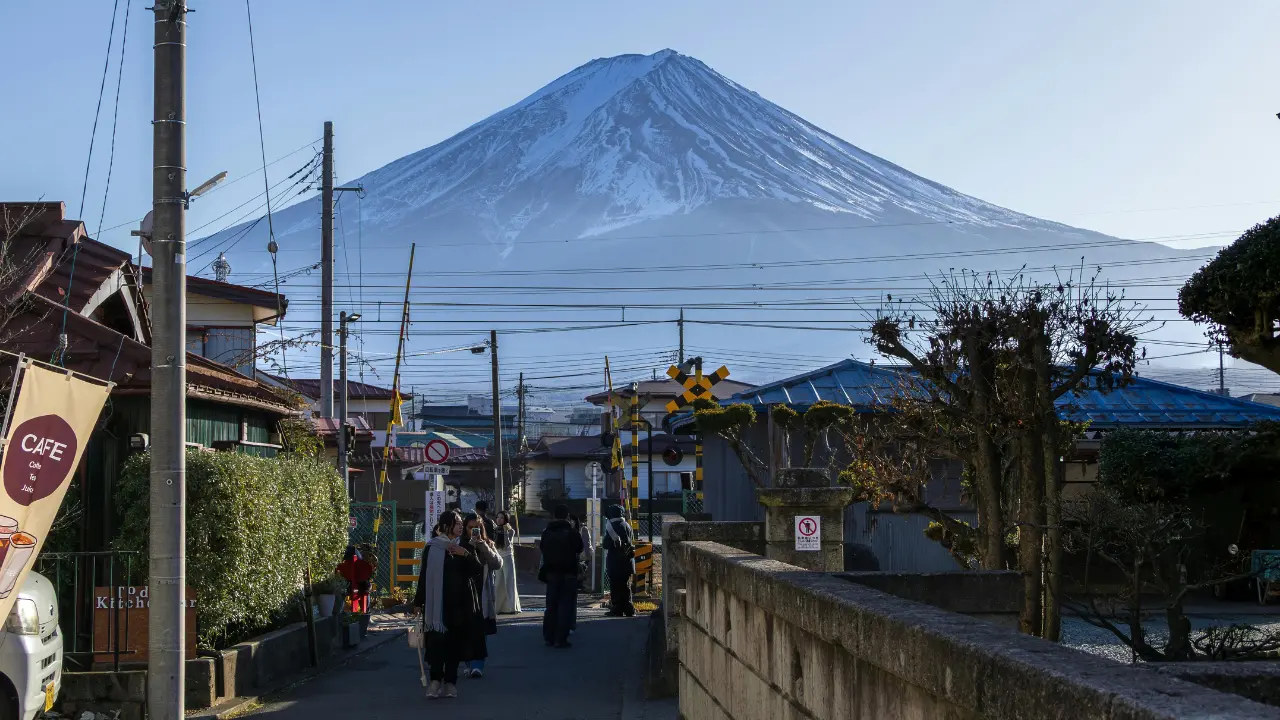
The decision came after local residents reported escalating problems with tourist behavior, including trespassing, littering, public defecation in private yards, and visitors opening strangers’ doors without permission to use bathrooms.
Mayor Shigeru Horiuchi addressed the situation in a statement, saying he feels “a deep sense of crisis” witnessing how the quiet lives of citizens are being threatened behind the beautiful scenery.
The festival, which began in 2016, showcased one of Japan’s most Instagram-worthy views: a red five-story pagoda framed by cherry blossoms with Mount Fuji rising in the background. But what started as a way to bring liveliness to the town quickly spiraled out of control as social media amplified the location’s popularity.
At peak season, more than 10,000 people flooded the area daily, causing severe traffic jams and overwhelming the small city’s infrastructure.
Residents complained about visitors pushing schoolchildren aside on their way to class, raising fears for their safety. When locals confronted tourists defecating on private property, some visitors “raised a fuss” instead of apologizing.
When tourism becomes too much
Japan welcomed a record 42.7 million foreign tourists in 2025, surpassing 2024’s nearly 37 million visitors. The weak yen made the country an even more attractive destination, but popular spots like Fujiyoshida, Kyoto, and Mount Fuji have been dealing with the consequences of this tourism boom.
In Kyoto, disrespectful tourists have harassed geisha performers in their frenzy for photos. Last year, nearby Fujikawaguchiko installed a massive black screen to block a famous Mount Fuji photo spot after similar complaints about overcrowding and littering.
The Fujiyoshida festival’s cancellation marks a significant shift. While city officials initially promoted the event to boost tourism, they’re now prioritizing residents’ quality of life over visitor numbers.
“To protect the dignity and living environment of our citizens, we have decided to bring the curtain down on the 10-year-old festival,” Horiuchi stated.
No festival, same problem
Even without an official festival, Fujiyoshida expects visitors to keep coming during cherry blossom season in April and May.
The park remains open, and the iconic views aren’t going anywhere. To manage the anticipated crowds, the city is installing temporary parking lots, portable toilets, and enhanced security measures, hoping to reduce the burden on residents without completely shutting down tourism.
The situation highlights a growing tension in Japan between economic benefits from tourism and the need to protect local communities.
Other cities facing similar challenges may follow Fujiyoshida’s lead, forcing a broader conversation about sustainable tourism practices in one of the world’s most photogenic countries.
Want more stories about travel culture and tech? Follow Geek Realm Hub and hit us up on Facebook, we’re breaking down the wildest news from Japan and beyond!