


SEO has evolved significantly, moving from keyword stuffing to user-focused algorithms. Artificial Intelligence (AI) is now driving the next major shift. The key question is not if AI will impact SEO, but how you can leverage it in your campaign to gain a competitive advantage.
AI doesn’t replace human creativity; it makes it stronger. Think of AI as a helpful partner that can quickly process huge amounts of data, spot patterns, or handle repetitive tasks. Here’s a practical guide to using AI in every part of your SEO strategy.
Understanding AI’s Transformative Role in Modern SEO
The core of SEO remains understanding search. At its heart, SEO is about understanding what people are searching for and giving them the best answers. AI helps us do this more accurately and on a larger scale. Instead of just reacting, we can use data to make smarter, proactive changes. AI can help us understand how words relate and even predict what users might do next.
Leveraging AI for Superior Keyword Research & Content Creation
A quick and powerful way to use AI in your SEO campaign is to improve your keyword research and content process. AI tools can look at huge amounts of data to find new keyword ideas, spot trends, and group similar search queries together.
- Advanced Keyword Discovery: AI can do more than suggest basic keywords. It can predict future search trends and find long-tail keywords that show strong intent..
- Topic Clustering & Semantic SEO: Rather than focusing on single keywords, AI groups related terms so you can create content hubs that cover a wider range of what users are looking for.
- Content Outlining & Generation: AI can quickly create detailed outlines, suggest headings, and even write first drafts, saving you a lot of time. Be sure to review and edit for accuracy, tone, and originality.
- Readability & Tone Optimization: AI tools check your content’s readability and suggest ways to make it more engaging and better suited to your audience’s tone.
- Plagiarism Detection: Ensure your AI-generated content is original by running it through AI-powered plagiarism checkers.
AI Tools for Keyword Research & Content Creation
| AI Task | AI Tool Capabilities | Benefit to Your Campaign |
| Keyword Brainstorming & Expansion | Generates variations, long-tail ideas, and related queries based on seed keywords. | Uncovers niche opportunities, broadens keyword strategy. |
| Content Outlining | Creates detailed outlines with suggested headings, subheadings, and talking points. | Accelerates content planning and ensures comprehensive coverage. |
| Content Drafting & Rewriting | Assists in generating initial drafts, rephrasing sentences, and improving clarity. | Boosts content production speed, enhances linguistic quality. |
| Topic Cluster Identification | Groups related keywords and topics to build authoritative content hubs. | Improves topical authority, strengthens internal linking strategy. |
| SERP Analysis | Analyzes top-ranking content for structure, length, and common themes. | Informs content strategy, identifies gaps in competitor content. |
AI-Powered Technical SEO Enhancements
Technical SEO often means doing careful, repetitive work. This is where AI can really help in your SEO by making things faster and more accurate. AI can quickly go through data from site crawls, log files, and Google Search Console to find problems much faster than a human.
- Automated Site Audits: AI can quickly identify broken links, crawl errors, duplicate content, slow-loading pages, and missing meta tags across thousands of pages.
- Log File Analysis: Gain insights into how search engine bots crawl your site, identifying crawl budget waste and areas for improvement.
- Structured Data Generation: AI can assist in generating accurate schema markup, helping search engines better understand your content and potentially leading to rich results.
- Internal Linking Suggestions: Based on content relevance and user flow, AI can recommend optimal internal linking structures to improve page authority distribution.
Using AI for On-Page SEO & User Experience (UX)
AI is also great for improving your current pages for both search engines and users. This is an important way to keep making your SEO campaign better over time.
“AI doesn’t just improve efficiency; it fundamentally changes how we understand and interact with search. It moves us closer to true intent matching.”
— Forbes Agency Council
Best Practices for AI in On-Page SEO
- Content Gaps Identification: AI analyzes top-ranking content for your target keywords, highlighting missing topics, entities, or questions that your content should address.
- Readability & Engagement Scoring: Tools can score your content’s readability and suggest improvements for sentence structure, vocabulary, and flow, ensuring it appeals to your audience.
- Intent Matching Refinement: AI helps ensure your content truly aligns with the specific intent behind various search queries, moving beyond simple keyword matching.
- Meta Description & Title Tag Optimization: AI can generate compelling, click-worthy meta descriptions and title tags that accurately reflect content and improve CTR.
- Internal Linking Suggestions: Based on topical relevance and existing site structure, AI can recommend the most impactful internal links to build authority and improve user navigation.
Transforming Link Building with AI
Link building has always taken a lot of time and effort, but AI can help make this process easier and help you find better opportunities for your SEO campaign.
- Prospect Identification: AI can quickly identify authoritative and relevant websites in your niche for potential outreach, saving hours of manual searching.
- Personalized Outreach: AI tools can analyze a prospect’s website and social media to suggest personalized outreach messages, significantly improving response rates.
- Broken Link Detection: AI can scan competitor sites or resource pages to find broken links, offering a classic link-building opportunity (resource replacement).
- Competitor Backlink Analysis: Gain deeper insights into competitor backlink profiles, identifying common themes, linking patterns, and untapped sources.
AI in Analytics, Reporting & Personalization
AI’s real strength is in helping you understand and respond to your SEO results. With AI, your SEO campaign can move from just reacting to problems to actually predicting and planning.
- Predictive Analytics: AI can forecast future SEO performance based on current trends and historical data, helping you allocate resources more effectively.
- Anomaly Detection: Automatically flags sudden drops or spikes in rankings, traffic, or conversions, allowing for rapid investigation and response.
- Personalized User Journeys: For larger websites, AI can analyze user behavior patterns to dynamically recommend content, improving engagement and conversion rates, which indirectly boosts SEO signals.
- Automated Reporting: AI can generate comprehensive, customized SEO reports, highlighting key metrics and actionable insights, freeing up your team for strategic work.
Crafting Your AI-Powered SEO Campaign Template
To help you get started, here’s a template showing how you can use AI in your SEO campaign at every step:
Sample AI-Powered SEO Campaign Workflow
| Campaign Stage | AI Integration | Expected Outcome |
| Strategy & Planning | Market trend analysis, competitor analysis, and keyword cluster identification. | Data-driven content strategy, identified content gaps, and prioritized keywords. |
| Content Creation | Outline generation, initial draft creation, tone/readability optimization. | Faster content production, higher quality drafts, improved on-page relevance. |
| Technical SEO | Automated site audits, log file analysis, schema markup generation. | Early detection of technical issues, improved crawlability, and enhanced SERP features. |
| Link Building & Promotion | Prospect list generation, personalized outreach email drafts, and broken link opportunities. | More efficient outreach, higher quality backlink acquisition. |
| Performance Monitoring | Anomaly detection, predictive analytics, automated reporting. | Proactive issue resolution, optimized resource allocation, and clear performance insights. |
AI in SEO: A Checklist for Success
Before you get started, here’s a practical checklist to help you make the most of AI in your SEO campaign:
- Define Clear Objectives: What specific SEO problems are you trying to solve with AI?
- Start Small, Scale Up: Begin with one or two AI applications (e.g., keyword research, content outlines) before integrating broadly.
- Maintain Human Oversight: AI is a tool, not a substitute. Always review, edit, and fact-check AI outputs.
- Ethical Considerations: Ensure your AI usage aligns with ethical guidelines and avoids manipulative practices.
- Invest in Training: Educate your team on how to effectively use AI tools and interpret their outputs.
- Monitor Performance: Track the impact of AI integrations on your key SEO metrics.
- Stay Updated: AI technology evolves rapidly; regularly explore new tools and capabilities.
- Focus on Value, Not Just Volume: Use AI to create truly valuable content and experiences, not just more content.
The Future is Now: Best Practices for Integrating AI into Your SEO Strategy
The best way to use AI in your SEO campaign is to integrate it thoughtfully, keep learning, and always focus on people first. Google’s algorithms are getting smarter and reward content that really meets user needs. AI helps us do this more efficiently and at a larger scale.
See AI as a partner, not a threat. It lets SEO professionals spend more time on strategy, creativity, and understanding people. Things that machines can’t do. If we combine human skills with AI, we will succeed in modern SEO.
FAQs: Your Questions About AI in SEO Answered
Is AI replacing SEO professionals?
No, AI is helping SEO professionals, not replacing them. It takes care of repetitive tasks and gives deeper insights, so SEOs can focus on strategy, creativity, and critical thinking—skills that AI doesn’t have.
Can AI generate unique and high-quality content for SEO?
AI can quickly create unique content drafts and outlines. But to make sure your content is high-quality, trustworthy, and engaging, you still need people to review, edit, and fact-check for accuracy, originality, and brand voice.
What are the risks of using AI in SEO?
Some risks are that AI might create content that’s wrong, biased, or not very useful. Relying too much on AI can also mean less human oversight or misunderstanding what AI suggests. Always use AI carefully and make sure people check the results.
Which AI tools are essential for an SEO campaign?
There are many AI tools out there, like SEMrush, Ahrefs, and Moz, which use AI for keyword research, content analysis, and technical audits. Standalone AI writing assistants and specialized tools for specific tasks (e.g., structured data generation) are also valuable.
How can I ensure AI-generated content doesn’t get penalized by Google?
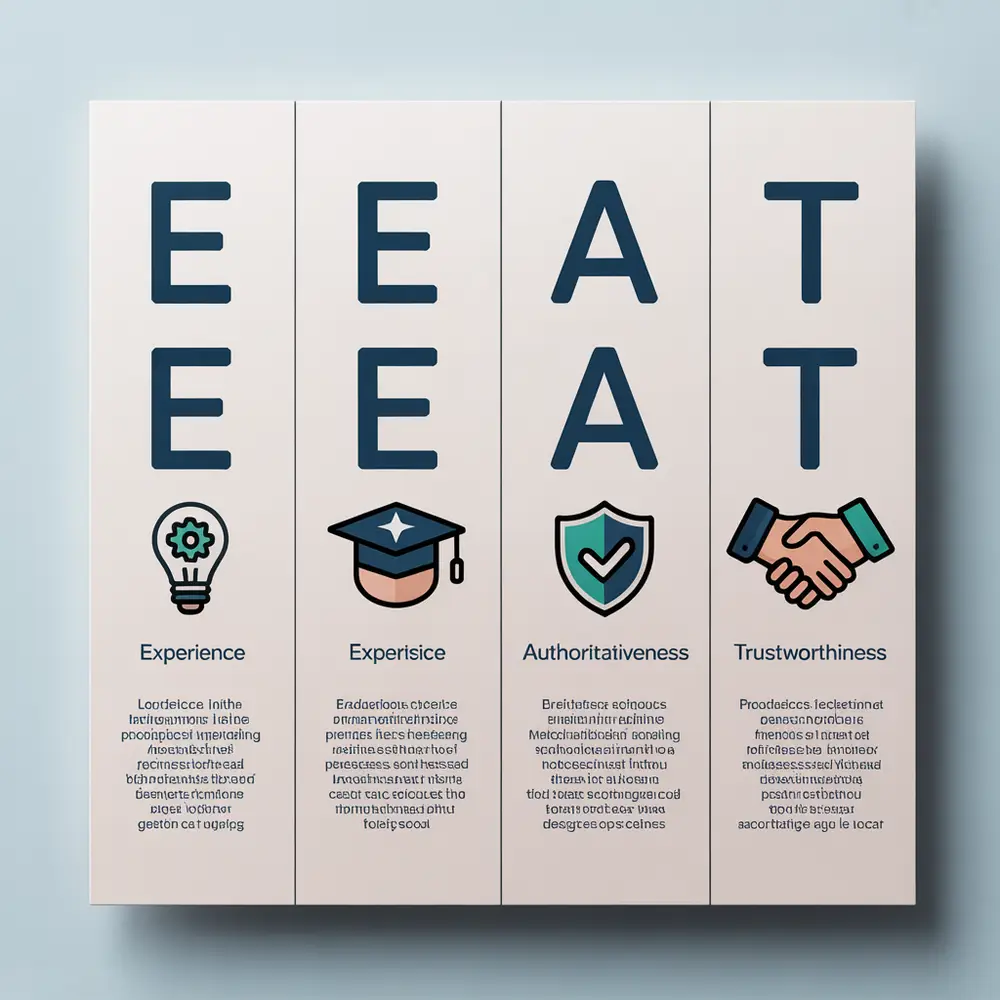
Google cares about the quality and usefulness of your content, not how it’s made. To avoid penalties, make sure your AI-generated content is accurate, fact-checked, unique, well-researched, and meets E-E-A-T (Experience, Expertise, Authoritativeness, Trustworthiness) standards. Always review and add a human touch.
How quickly can I see results by implementing AI in my SEO campaign?
How fast you see results depends on your starting point, industry, and how you use AI. You might notice things like faster content creation or quicker fixes right away. Increases in rankings and traffic usually come after a few weeks or months as your AI-assisted content and improvements take effect.
Are you ready to take your SEO strategy to the next level? Start using AI and discover new opportunities for digital growth.
Guest article by bkthemes. Entity links and editorial by GeekRealmHub.