



Research and advisory giant Gartner published on February 26 a report confirming what many in the tech industry had already feared: the sub-$500 entry-level PC segment will completely disappear by 2028. The culprit is a memory crisis that is already reshaping the entire consumer electronics market, and 2026 is shaping up to be the year everything changes.
Ranjit Atwal, Senior Director Analyst at Gartner, didn’t sugarcoat it: “This is the steepest contraction in device shipments witnessed in over a decade. Higher prices will narrow the range of devices available, prompting buyers to hold on to devices for longer, fundamentally altering upgrade cycles.” The firm projects that worldwide PC shipments will decline 10.4% in 2026 compared to 2025, the sharpest drop in more than ten years.
And if that number alone isn’t enough to make you nervous, the rest of the report definitely will be.
Memory prices are the root of the problem
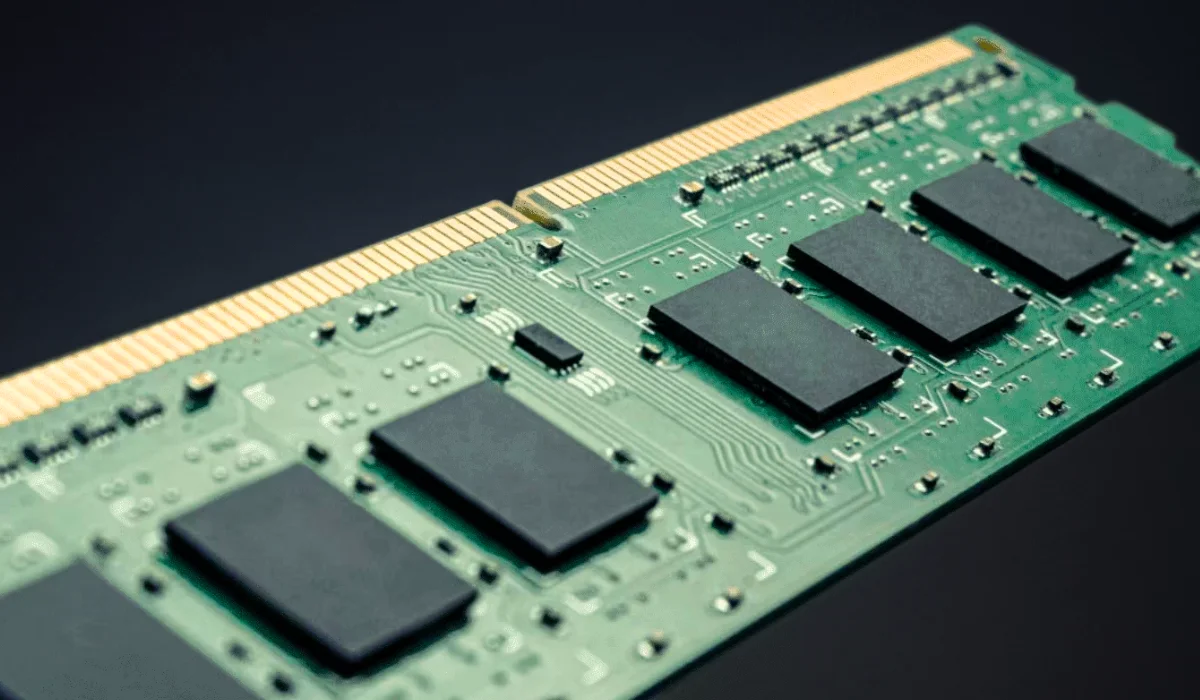
The driving force behind all of this chaos is the skyrocketing cost of DRAM and SSD storage. Gartner estimates a 130% surge in combined DRAM and SSD prices by the end of 2026, which will push PC prices up by 17% and smartphone prices up by 13% compared to 2025 levels.
To understand why this kills the budget PC market specifically, you have to look at the numbers behind the numbers. PC memory costs are expected to peak at 23% of the total bill-of-materials, up from 16% in 2025. That jump completely destroys the already razor-thin margins on entry-level machines.
As Atwal explains: “This sharp increase removes vendors’ ability to absorb costs, making low-margin entry-level laptops nonviable. Ultimately, we expect the sub-$500 entry-level PC segment will disappear by 2028.”
Manufacturers have always tried to absorb rising component costs on budget products rather than passing them on to consumers, because a price hike on a $400 laptop typically kills demand instantly. But this time around, there’s simply no room left to absorb anything. The math no longer works, and vendors are being forced to accept a unit volume decline in order to sustain profitability. Fewer models. Higher price tags. Less selection on store shelves.
The memory crisis isn’t hitting PCs in isolation either. Valve confirmed that the Steam Deck OLED is out of stock due to memory and storage shortages, and according to a Bloomberg report, Sony is considering pushing back the launch of the PlayStation 6 to 2028 or even 2029, as the bottleneck in memory production makes it nearly impossible to plan a cost-effective console launch right now.
What regular consumers should expect
For everyday buyers, students, first-time PC owners, budget-conscious shoppers, this report points directly at them. The disappearance of sub-$500 machines means the traditional entry point into computing is closing, and there’s no clear alternative waiting to fill that gap.
Because prices are rising and affordable options are shrinking, Gartner predicts that PC lifetimes will increase by 15% for business buyers and 20% for consumers by the end of 2026. In plain terms: people are going to hold onto their old machines for as long as possible because replacing them will cost significantly more than before. Gartner also warns that keeping older devices running longer will raise serious concerns over security vulnerabilities and the growing challenge of managing outdated hardware.
The first half of 2026 is being described by Gartner as a critical window for PC makers to optimize pricing and protect margins, with the second quarter expected to be where the biggest financial crunch hits, when component inflation starts seriously compressing profits.
And for those excited about AI-powered computers going mainstream, there’s more bad news in the report. Rising AI PC prices will delay the projected 50% market penetration of AI PCs until 2028, a timeline that was already supposed to be right around the corner.
If your current PC is struggling and you’ve been putting off an upgrade, the window to grab something at a reasonable price is closing fast. Waiting for prices to come back down is a gamble, and right now, the odds aren’t looking great.
Do you think budget PCs will truly disappear by 2028, or will manufacturers find a way to keep affordable machines alive? Drop your thoughts in the comments, we’d love to know where you stand!