



The February 2026 Steam Hardware Survey delivered one of the most dramatic monthly shifts in recent memory, and at the center of it all is the NVIDIA GeForce RTX 5070. The card surged from 2.87% share in January to 9.42% in February, a massive 228% month-over-month increase that pushed it straight to the top of the GPU rankings.
In February, the RTX 5070 jumped from fifth place to the top of the chart, replacing the RTX 4060, which now sits in second place. The first non-RTX xx60 or xx70 card on the list is the RTX 3050 in 12th place. It’s the kind of shakeup that only happens a handful of times in the survey’s history, but the numbers come with a lot of context that’s worth understanding before drawing any conclusions.
The February survey wasn’t just dramatic in the GPU category. English dropped to 22.27% while Simplified Chinese shot up to 54.60%, a swing of +30.74% in a single month. Windows 11 users fell 10% to 56% overall, while Windows 10 jumped 12.4% back to a 40% share.
16GB was the most popular RAM configuration the previous month, but after a massive 19% jump, 32GB is now the top, all of this during an ongoing memory supply crisis. When that many categories move that dramatically in the same month, it’s a signal that something beyond organic market movement is at play.
The entire RTX 50 series is gaining real ground
Setting aside the anomalies for a moment, the Blackwell generation is genuinely picking up steam, and not just thanks to the RTX 5070. The GeForce RTX 5060, NVIDIA’s entry-level Blackwell GPU with 8GB of VRAM, now sits in second place after recording an impressive 168% monthly increase, currently accounting for 6.72% of surveyed systems.
The RTX 5080 climbed from 1.25% to 1.66%, and the RTX 5060 Ti also saw increased adoption. Across the board, the entire RTX 50 lineup moved up the charts in February, steadily displacing older Ada Lovelace generation cards that had dominated the rankings for the past couple of years.
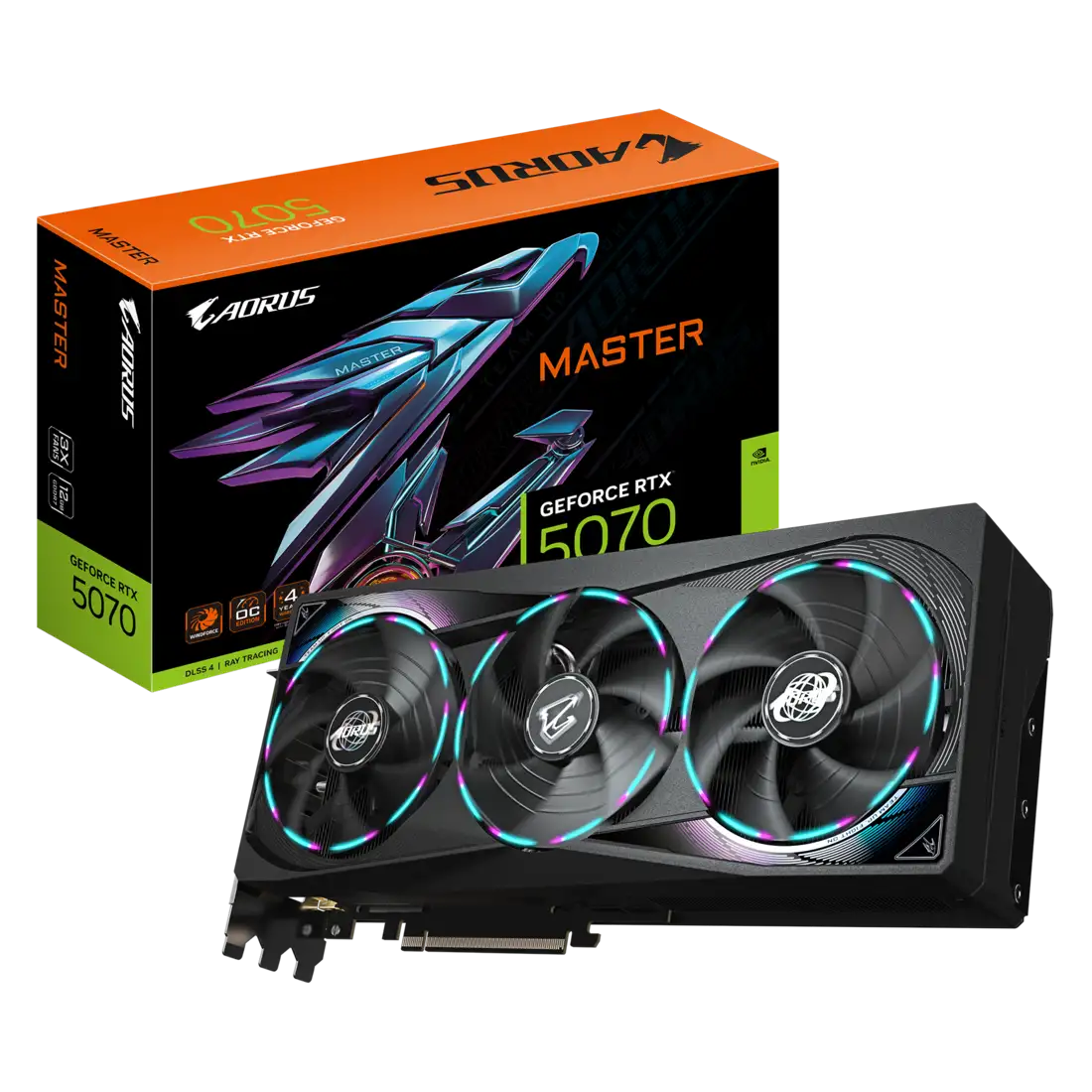
The RTX 5070 itself had already been on a consistent upward trajectory before the February explosion. In October it held 1.88% share, rising to 2.23% in November, 2.41% in December, and then 2.87% in January. That steady month-over-month climb is the kind of organic growth that reflects real purchases and real upgrades happening in the market. The card has resonated with gamers looking to step into the Blackwell generation without going for a flagship price tag.
Its performance in ray tracing and DLSS 4 technologies has appealed to users seeking next-generation features without premium pricing, and it achieved widespread adoption faster than its predecessor, the RTX 4070, which took several additional months to reach similar market penetration.
On the other end of the spectrum, the AMD RX 9000 series, which had recently made its debut in the Steam Hardware Survey, has completely disappeared from the charts. Whether that’s another consequence of this month’s data irregularities or a reflection of RDNA 4’s slow uptake in the gaming market is unclear, but it’s a notable absence either way.
Two factors explain why the numbers look so extreme
The February spike in RTX 5070 share is real in the sense that it’s what the survey recorded, but two converging factors make it nearly impossible to take at face value as a pure reflection of the market.
The first is the Lunar New Year effect. The numbers show that 54.6% of users surveyed in February came from China, a massive 30.74% increase that coincides with the Chinese New Year holidays, which last seven days, suggesting that millions of Chinese Steam users had more time to game during that period. Internet gaming cafes, which are very popular in China, played a major role in driving up Steam’s statistics, since hundreds or even thousands of different users can log in to the same system.
When a region with a distinct hardware profile suddenly dominates the survey sample, every category, GPU, OS, RAM, language, shifts to reflect that region’s preferences, not the global installed base. The magnitude of the swing far exceeded previous seasonal peaks by a wide margin, leaving analysts unconvinced that seasonality alone explains it.
The second factor is a confirmed bug on Valve’s end. A Steam Client Beta update dated February 24 fixed an issue where VRAM on some graphics cards was not reported correctly. In systems with multiple display adapters, Steam was sometimes selecting the wrong adapter to report, and will now pick the one with the most VRAM, reducing cases where an integrated GPU or secondary card was reported instead of the primary discrete card.
Because Valve’s fix specifically switches reporting to the adapter with the most VRAM, the immediate effect was to increase the visibility of discrete GPUs, which typically have larger VRAM pools than integrated solutions. That means a portion of the RTX 5070’s jump may simply be systems that were previously miscounted now being correctly attributed to their actual discrete GPU.
The RTX 5070’s share jumped by 6.55% in a single month, compared to just 0.45% the month before. Neither genuine sales growth nor the VRAM bug fix alone fully accounts for a move that size. Most analysts and tech outlets covering the survey agree the February result is a combination of real adoption, a regional sampling skew driven by Lunar New Year, and the downstream effects of Valve’s reporting correction, all hitting simultaneously.
What to actually watch for in the coming months
Steam survey monthly results have produced drastically different readings before, including in March 2025 and October 2023, and things usually return to normal a month later. That makes the March 2026 results the real test. If the RTX 5070 maintains a position near the top of the charts even without the Lunar New Year participation boost and the first-cycle effects of the VRAM fix, that confirms genuine market dominance. If it slides back toward the 3–4% range, February was largely a measurement artifact rather than a true signal of where the GPU market stands.
What is clear regardless of the noise is that the Blackwell generation is establishing itself as the new standard for PC gaming hardware. The RTX 5070 had been climbing consistently for months before February’s chaos, the RTX 5060 is following closely behind, and gamers upgrading from RTX 20 and 30 series cards are increasingly landing on the RTX 50 lineup as their next step. The survey’s February numbers may be inflated, but the underlying trend they point to is real, and it’s only going to become more visible as the year progresses.
What do you think, is the RTX 5070 genuinely earning its spot at the top, or did Valve’s data just get hit by a perfect storm of bad timing? Tell us in the comments!