



Dell made a brutally honest confession at CES 2026 this week: people aren’t buying PCs because of AI features.
Kevin Terwilliger, Dell’s head of product, stated during the company’s pre-briefing that what they’ve learned over the past year is pretty clear, from a consumer perspective, buyers aren’t making decisions based on AI.
Even more blunt, he added that AI probably confuses customers more than it helps them understand what they’re actually getting.
The admission came during Dell’s Q&A session ahead of CES 2026, where COO Jeff Clarke also touched on what he called the “un-met promise of AI” and how the industry expected artificial intelligence to drive end user demand.
This marks a complete 180 from last year’s event, where Dell went all-in on the “AI PC” concept. Terwilliger was upfront about it: “One thing you’ll notice is the message we delivered around our products was not AI-first. So, a bit of a shift from a year ago where we were all about the AI PC“.
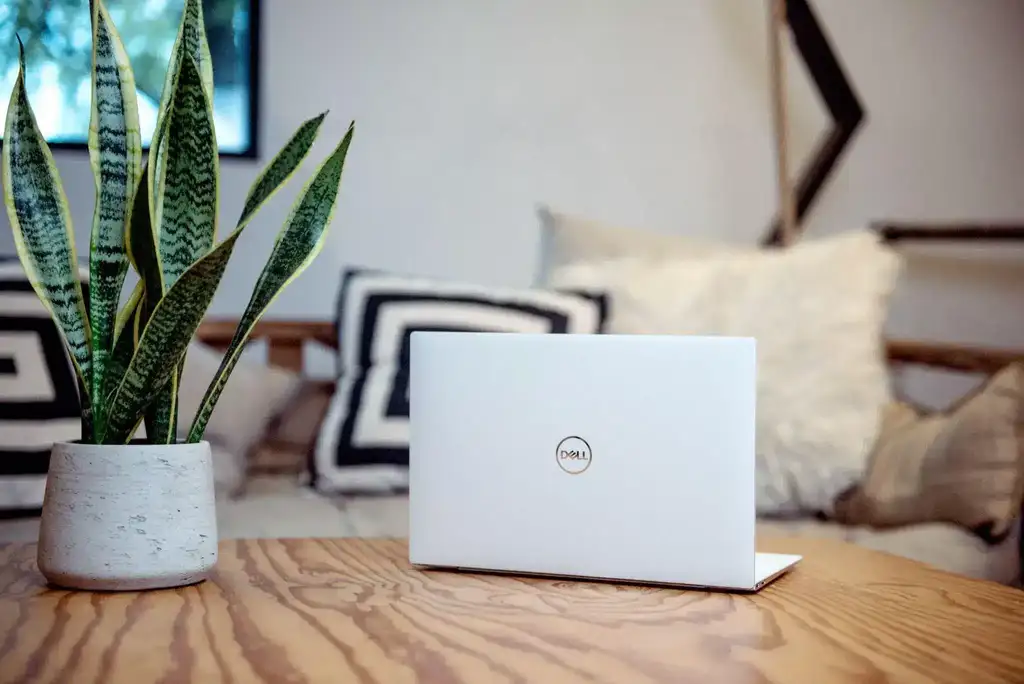
What Dell’s actually selling now
Dell’s CES 2026 showcase was refreshingly different. The company announced the return of the XPS laptop lineup, new ultraslim Alienware laptops, entry-level Alienware options, Area-51 desktops, and several new monitors.
Everything was consumer-focused. The only mention of AI in the entire presentation was Clarke’s brief comment at the start.
Here’s the thing though, Dell isn’t ditching AI hardware completely. Every device they announced still has an NPU inside. The shift is in how they talk about it. The branding and marketing now prioritize specs and real use cases over AI buzzwords.
The reality check nobody expected…
Industry analysts point out that AI PCs often carry premiums of $100 to $300, which turns off price-conscious buyers. With inflation still hitting wallets in 2026 and PC replacement cycles getting longer, people care about price, battery life, and performance, not marketing speak they don’t understand.
Dell’s not alone in this wake-up call. HP and Lenovo showed more tempered AI approaches at CES 2026, focusing on practical solutions instead of futuristic AI promises.
Microsoft has also adjusted its Windows AI strategy to emphasize optional integrations rather than mandatory requirements.
The timing is almost funny considering Dell was one of the companies leading the AI PC charge in 2025, marketing devices as gateways to an AI-powered future. Turns out that future needs to wait until there are actual killer apps that justify the premium price tag.
Dell’s enterprise AI infrastructure revenue continues crushing it, but for regular consumers buying laptops? Not so much.
This honest admission from Dell could mark the beginning of a broader shift in how tech companies market to consumers, focusing on what people actually want instead of buzzword overload.
Stay plugged in with Geek Realm Hub and follow us on Facebook for more no-BS tech news!