



If you’ve been keeping up with the drama surrounding Nvidia’s 16-pin power connectors over the past couple of years, you already know it hasn’t exactly been a stress-free ride.
Melted cables, fried ports, and anxious GPU owners have become an unfortunate part of the modern PC building conversation. Now, Dell is stepping into the ring with an engineering solution that’s as blunt as it is revealing.
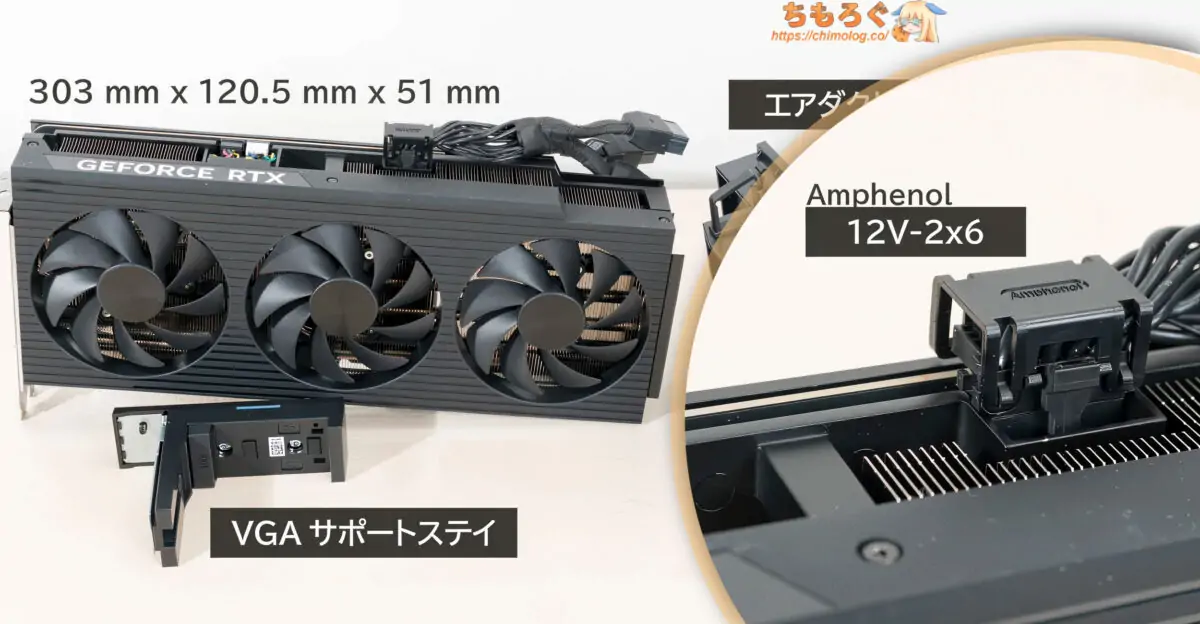
A teardown of Dell’s Tower Plus EBT2250 prebuilt desktop, published by Japanese reviewer Chimorogu and later picked up by Tom’s Hardware and PCWorld, uncovered something that immediately caught the tech community’s attention: the 12V-2×6 connector on the GPU is physically bolted in place using genuine Amphenol metal fittings. As in, it does not move. At all. It literally cannot.
Why does this matter so much?
The 16-pin (12VHPWR / 12V-2×6) connector has been a headache since Nvidia introduced it with the RTX 4090. The core issue is straightforward but dangerous: if even a single pin loses proper contact inside the connector, the remaining pins get hit with more current than they were designed to handle.
Temperatures can spike fast, and in a closed-case system with limited airflow, that’s a recipe for a very bad day.
Instead of relying only on the standard latch retention and cable routing, Dell’s approach removes one of the most common failure pathways: partial seating caused by movement, cable leverage, or handling during shipping or servicing. The connector simply cannot back out.
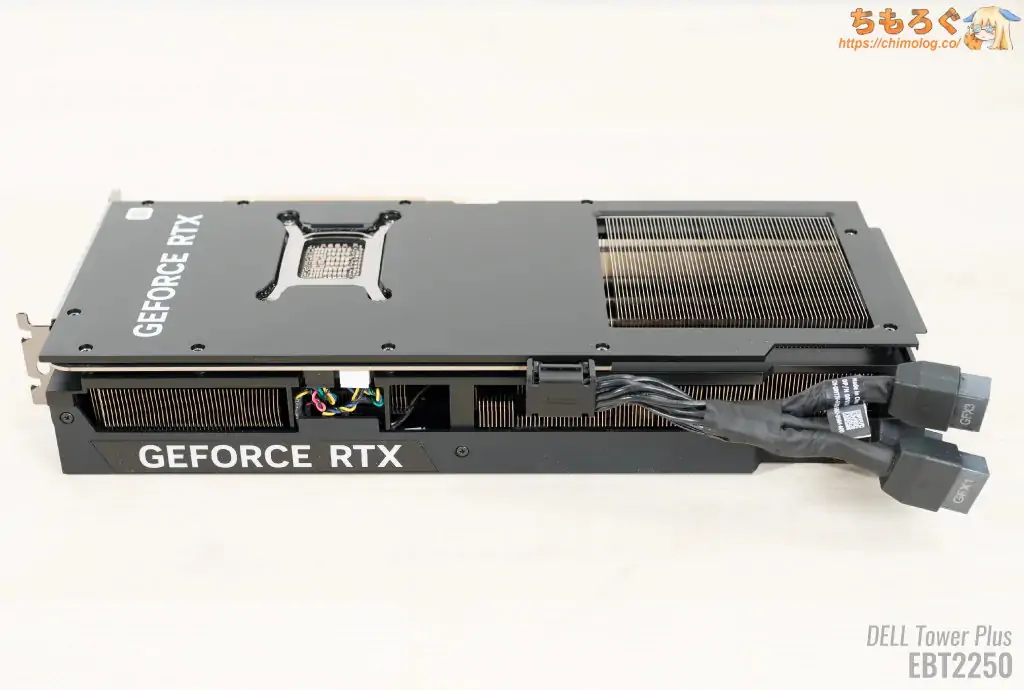
What makes Dell’s move especially telling is that the EBT2250 packs an RTX 5070 Ti, a card with a 190W to 300W power draw, well below the extreme appetites of cards like the RTX 5090. The actual meltdown risk for this card is considerably lower, yet Dell clearly felt the precaution was worthwhile. That’s a company voting with its engineering budget, and that vote carries weight.
The setup behind the fix
The EBT2250 comes with a LITEON 1000W 80+ Platinum unit that lacks a native 16-pin cable, so it uses an adapter: rigidly fixed with the Amphenol metal bracket on the GPU side, splitting out into two classic 8-pin PCIe connectors on the PSU side.
Dell also added a sag bracket to support the GPU’s weight, since mechanical stress on the card can translate directly into stress at the power socket.
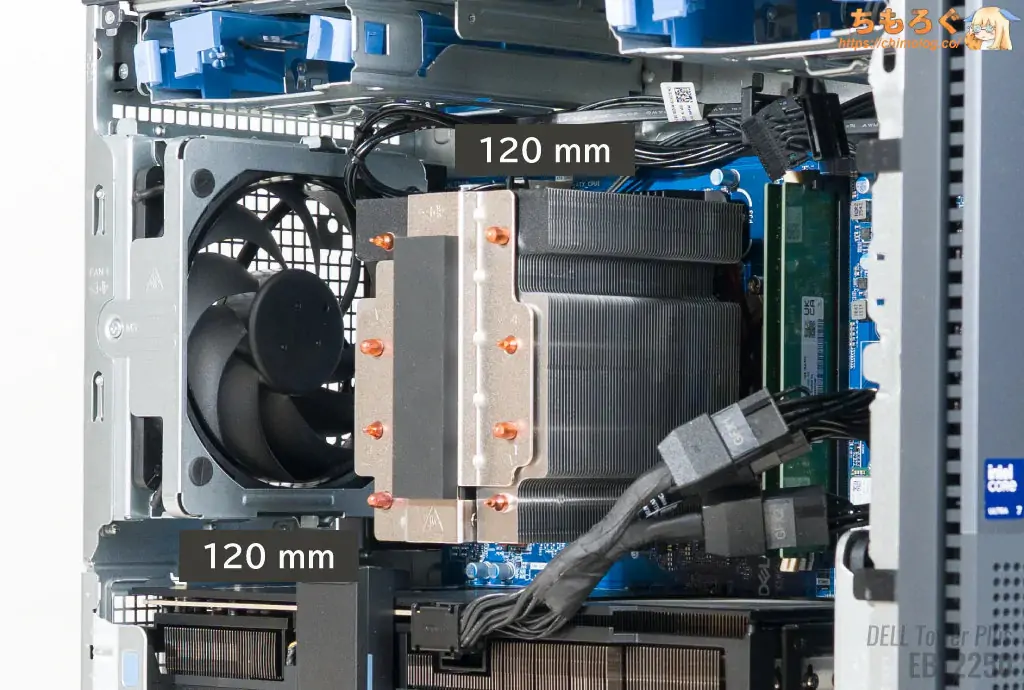
The full configuration, by the way, is no slouch: Intel Core Ultra 7 265K, 32 GB of DDR5-5600 memory, an Intel Z890 motherboard, and a Dell-branded RTX 5070 Ti with 16 GB of VRAM.
It’s also worth noting that Amphenol isn’t some random bracket manufacturer, it’s one of the world’s largest interconnect component suppliers. The presence of branded Amphenol metal fittings suggests this isn’t a generic bracket but a purpose-built assembly. Dell clearly engineered this intentionally, not as an afterthought.
What this tells us about the 16-Pin problem
Here’s the uncomfortable truth this teardown surfaces: if even Dell has to make sure there’s not an ounce of leeway in the 16-pin connection, it’s perhaps too fragile of a connector to begin with.
When one of the world’s largest PC manufacturers decides to physically lock down a power connector in a mass-market prebuilt, it sends a quiet but very clear message to the rest of the industry.
For DIY builders, this is a reminder worth taking seriously. Make sure your 16-pin connector is fully seated, avoid sharp cable bends near the connector, and don’t let that cable sit under tension. Dell found a hardware solution for its customers, but if you built your own rig, that responsibility falls entirely on you.
Is Dell’s approach the right call, or is it just a workaround for a connector that should have been redesigned from the start? Drop your thoughts below, we want to hear what you think!