



Thirteen years ago today, Nintendo took a gamble that didn’t quite pay off the way they hoped. The Wii U launched to confusion, lukewarm reception, and eventually became one of Nintendo’s biggest commercial flops. But here’s the thing nobody talks about enough: the Wii U wasn’t a bad console. It was just misunderstood, poorly marketed, and honestly, way ahead of its time. Fast forward to 2025, and this quirky little system has transformed from gaming’s awkward middle child into one of the most compelling retro purchases you can make.
Let me tell you why picking up a Wii U right now might be one of the smartest gaming decisions you’ll make this year.
The hardware that time forgot
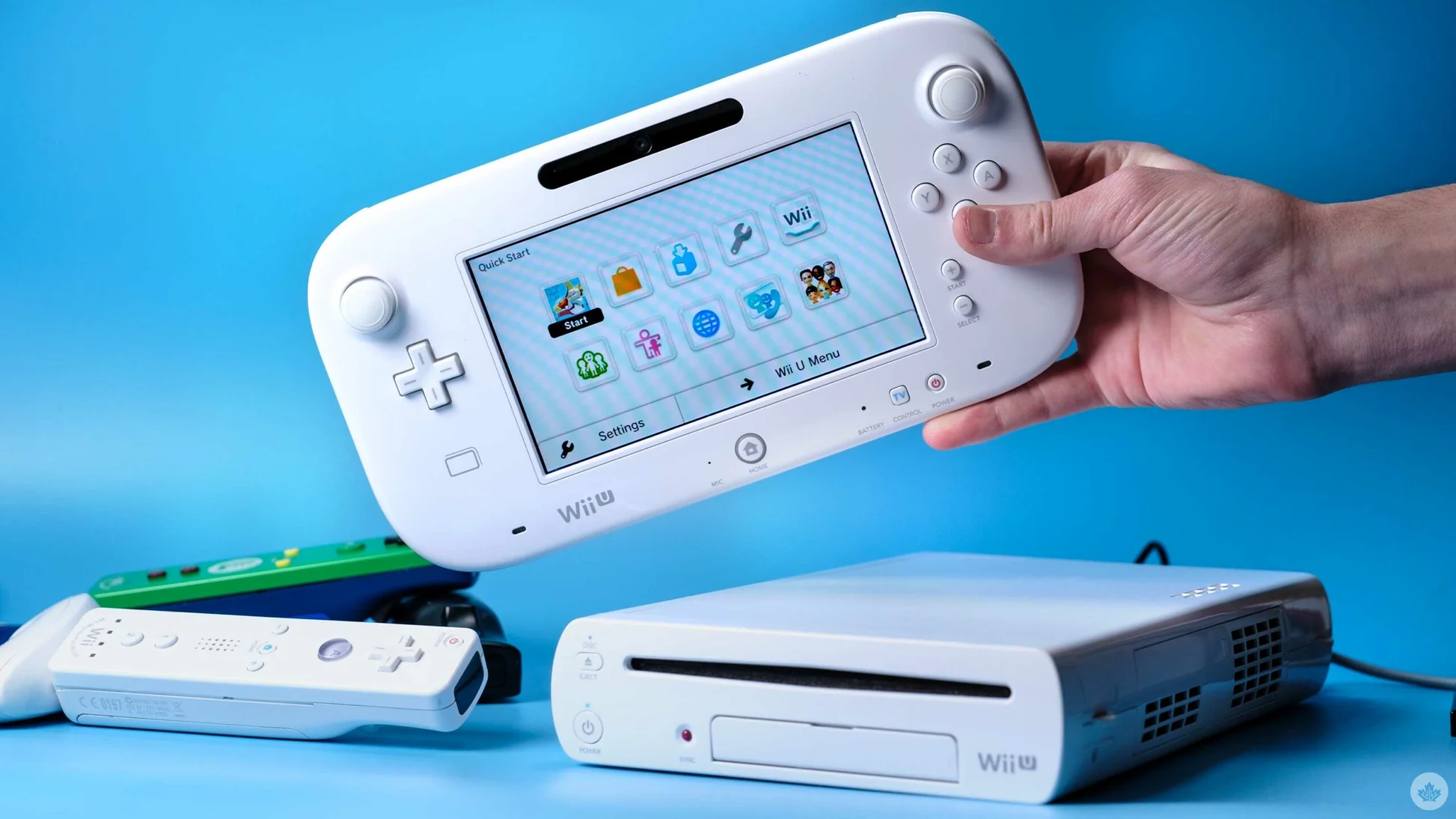
The Wii U’s GamePad was simultaneously its greatest innovation and its biggest marketing nightmare. People couldn’t figure out if it was a tablet, a controller, or some weird hybrid accessory. Turns out, it was all of those things, and that’s exactly what makes it special today. That 6.2-inch touchscreen wasn’t just a gimmick, it fundamentally changed how certain games were played, offering asymmetric gameplay experiences that we still haven’t seen replicated anywhere else.
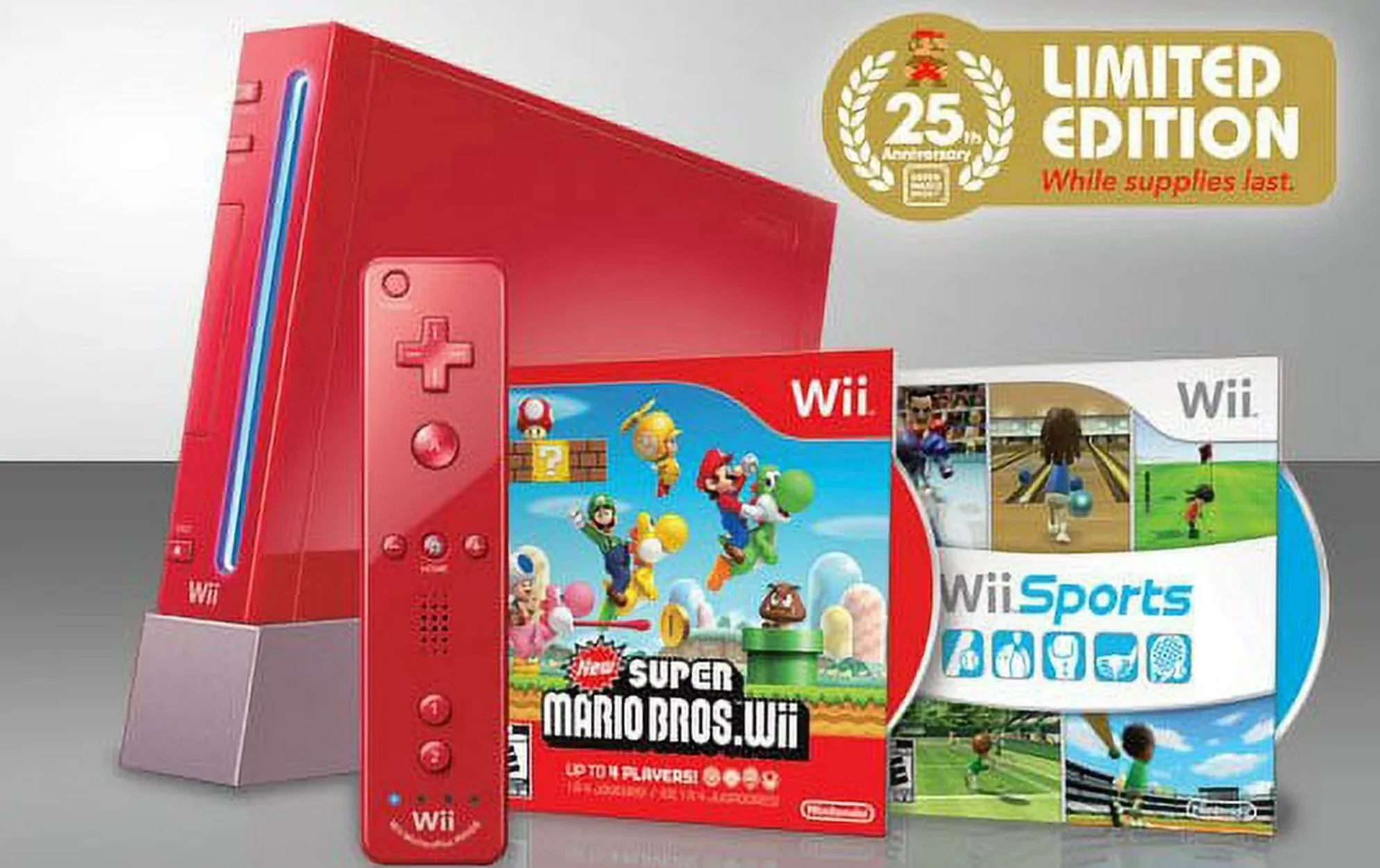
Think about it: you’ve got a console that can play Wii U games, the entire Wii library, GameCube titles (with a bit of tinkering), and even acts as a virtual console powerhouse for NES, SNES, N64, and DS games. It’s basically a Nintendo museum in a box. The system’s backward compatibility with Wii games means you’re getting two console generations for the price of one, and those Wii remotes you’ve got collecting dust? They work perfectly here.
The build quality is another underrated aspect. These things were built like tanks. While modern consoles sometimes feel like they’re held together with hopes and dreams, the Wii U has that classic Nintendo durability. Plus, finding one in good condition is surprisingly easy since so many people bought them, played them for a few months, and then shelved them when the hype died down.
A library that punches way above its weight
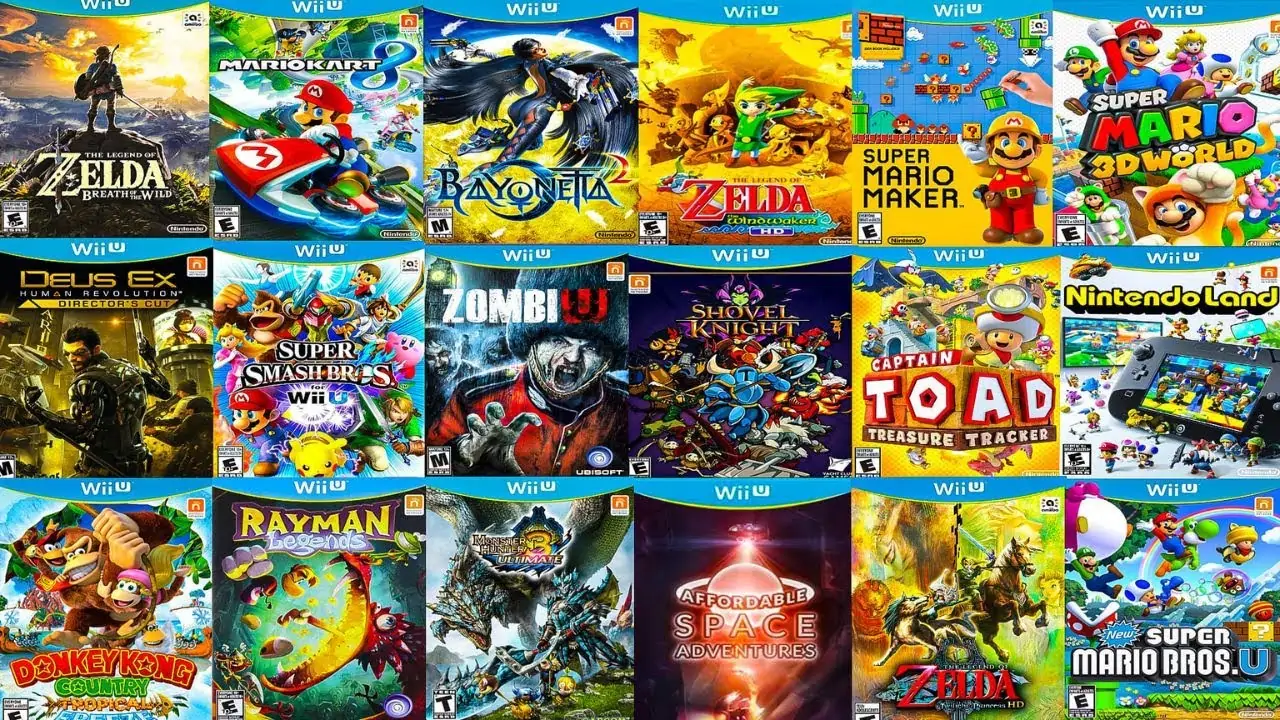
Here’s where things get really interesting. Yes, many of the Wii U’s best games got ported to Switch, but that doesn’t diminish the original experience, and in some cases, the Wii U versions have features that didn’t make the jump. The library might be smaller than its competitors, but it’s dense with quality.
The Legend of Zelda: Breath of the Wild launched simultaneously on Wii U and Switch, and while everyone remembers the Switch version, the Wii U original runs beautifully and costs a fraction of the price. Super Mario 3D World is pure platforming joy, and the GamePad integration for certain levels adds a layer of creativity that feels fresh even now. Splatoon started here, introducing one of Nintendo’s most successful new IPs in decades, and the original still has a dedicated online community keeping the servers alive.
But the real gems? Nintendo Land is still one of the best showcases of asymmetric multiplayer gaming ever created. Pikmin 3 is gorgeous and plays like a dream. The Wonderful 101 is a chaotic masterpiece that uses the GamePad in ways that feel genuinely innovative. Xenoblade Chronicles X offers hundreds of hours of JRPG goodness with a scope that’s still impressive. Tokyo Mirage Sessions #FE is a wildly underrated crossover that deserves way more love than it got.
And let’s not forget the Virtual Console. The Wii U’s VC library is extensive, well-curated, and offers games that still aren’t available on Switch’s online se.rvice. Want to play EarthBound or Super Mario RPG the way they were meant to be experienced? The Wii U’s got you covered.
The homebrew scene is thriving
Now we’re getting to the really fun part. The Wii U homebrew and modding community has absolutely flourished over the past few years. With Nintendo’s focus shifted entirely to the Switch (and now the Switch 2), the Wii U has become a Playground for enthusiasts who’ve unlocked the system’s full potential.
Softmodding a Wii U is remarkably straightforward these days, and once you do, the possibilities explode. You can inject GameCube games and play them natively without needing original discs or adapters. The vWii mode (the Wii U’s built-in Wii emulation) can be enhanced to run homebrew Wii applications flawlessly. Custom themes, region-free gaming, backup loaders, it’s all there, and the community has created incredibly user-friendly tools to make it accessible even if you’re not particularly tech-savvy.
The emulation scene is where things get truly wild. A modded Wii U can run emulators for pretty much every retro system you can think of. SNES, Genesis, PlayStation 1, Nintendo DS, all running smoothly with the GamePad acting as your controller and second screen. It’s like having a portable retro gaming arcade that also happens to play modern(ish) Nintendo titles.
What makes this even better is that the Wii U modding scene is mature and well-documented. You’re not diving into sketchy forums with broken links and outdated guides. There are comprehensive tutorials, active Discord communities, and regular updates to homebrew applications. The risk is minimal, the rewards are substantial, and you’re breathing new life into hardware that Nintendo has essentially abandoned.
The price is right
Let’s talk money. You can pick up a Wii U console in good condition for anywhere between $80 to $150 depending on the model and what’s included. Games? Most first-party titles run between $15 to $40, with some of the more sought-after releases commanding slightly higher prices, but nothing compared to the inflated retro market for older Nintendo systems.
Compare that to trying to build a comparable gaming setup with a Switch and its library, and the value proposition becomes crystal clear. You’re getting access to two generations of Nintendo games, a robust virtual console, and a thriving homebrew scene for less than the cost of a single modern console.
The verdict
The Wii U failed commercially, but it succeeded creatively in ways that are only becoming apparent now that we have the benefit of hindsight. It was a console that dared to be different, that experimented with ideas that would later influence the Switch’s design, and that housed some genuinely incredible games that deserved a much larger audience.
Thirteen years later, the Wii U isn’t a relic, it’s a time capsule of Nintendo’s experimental spirit, a gateway to decades of gaming history, and a surprisingly capable piece of hardware that still has plenty to offer. Whether you’re a collector, a Nintendo enthusiast, or just someone looking for a unique gaming experience that won’t break the bank, the Wii U in 2025 is worth every penny.
So yeah, maybe it’s time to give Nintendo’s misunderstood console the second chance it always deserved. Trust me, you won’t regret it.