



Picture this: It’s 2014, and you’re about to watch Guardians of the Galaxy for the first time. The opening scene hits, Chris Pratt dancing to “Come and Get Your Love” while alien creatures scurry around him. It’s weird, it’s wonderful, and it’s exactly the kind of bonkers energy that made the film a cultural phenomenon. Now imagine that scene without the music. Just… silence and dancing. Awkward, right?
That nightmare almost became reality, and we have Marvel’s now-defunct “creative committee” to thank for nearly torpedoing one of the MCU’s most beloved entries.
The committee that thought it knew better
During a recent appearance on the Smartless podcast, James Gunn pulled back the curtain on one of Marvel’s most baffling corporate experiments. Before Kevin Feige had full creative control, there existed something called the “creative committee”, a group comprised of comic book folks, toy executives, and various other voices who felt entitled to reshape films in development.
“It was comic book people and toy people and all these people that would chime in with their notes on scripts,” Gunn explained, his tone suggesting he’s still processing the absurdity of it all.
Here’s where it gets spicy: Gunn and Feige would lock in a script, polish it to perfection, and then, bam, a laundry list of mandatory changes would arrive from the committee. Gunn compared the experience to performing brain surgery while “having a bunch of podiatrists around telling you how to do it.” Ouch.
The director made it clear he’s not opposed to feedback. “You just have to listen to them, and people are usually happy if you just listen,” he said. But this committee operated “as if they were the authority on everything,” which is a diplomatic way of saying they had no idea what they were talking about.
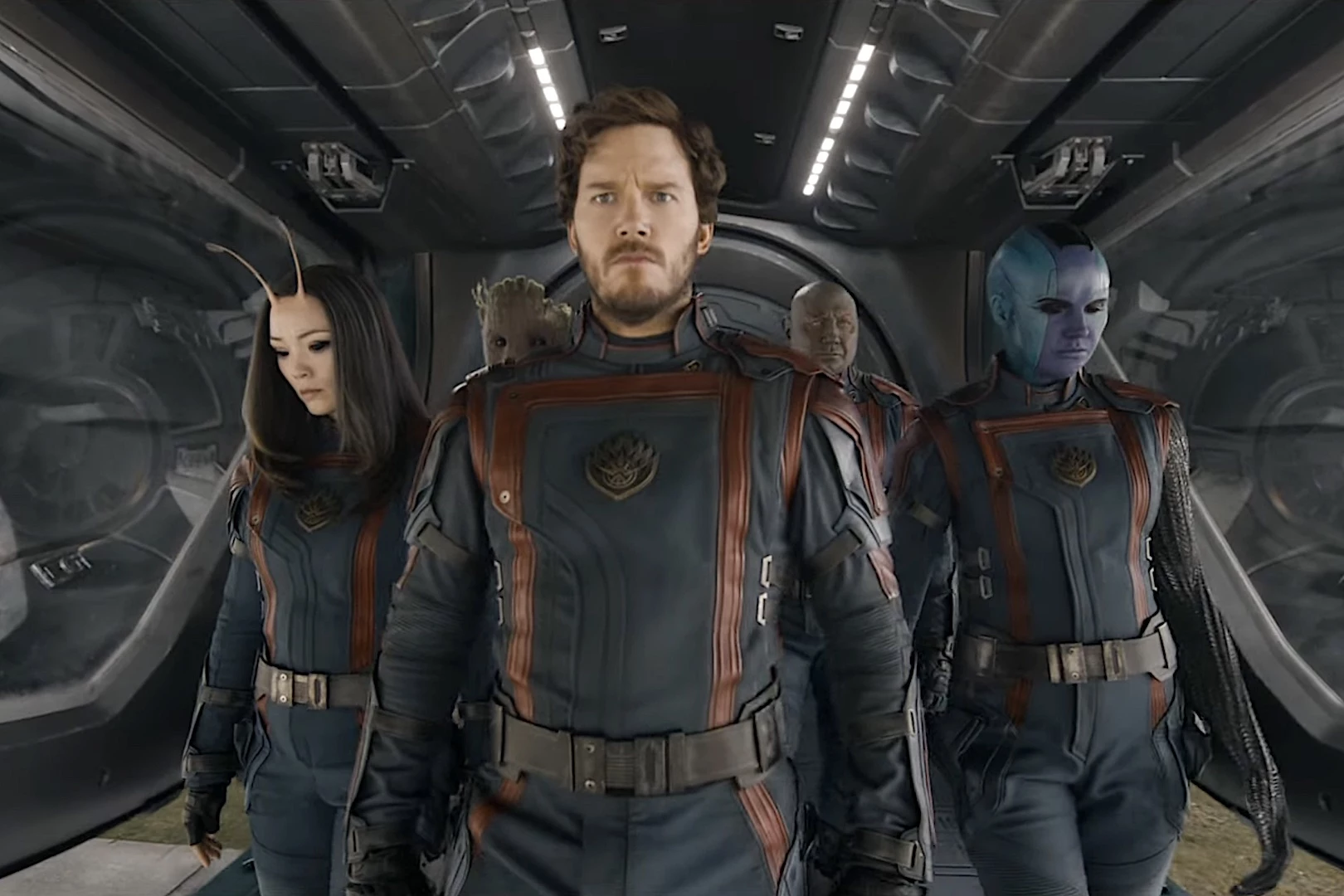
The notes that would’ve ruined everything
So what brilliant insights did this committee offer? Well, they wanted to axe the film’s entire soundtrack. You know, the Awesome Mix that became so iconic it spawned its own merchandise line and made “Hooked on a Feeling” relevant again. Gone. Deleted. Silenced.
They also couldn’t wrap their heads around Bradley Cooper voicing Rocket Raccoon. After watching the first cut, their genuine concern was: “Why do we pay all this money […] he doesn’t sound like Bradley Cooper?”
Gunn’s response perfectly captures the facepalm moment: “Yeah, he’s playing a character. He’s an actor. That’s what the guy does. That’s why we hired him.”
It’s the kind of note that makes you wonder if anyone on that committee had ever actually watched a movie. Cooper wasn’t hired to sound like himself, he was hired because he could disappear into a trash-talking, emotionally damaged raccoon. And he absolutely nailed it.
According to Gunn, the committee’s suggestions had “nothing to do with storytelling” and “nothing to do with what would capture people’s imaginations.” Translation: they were focused on everything except making a good movie.
Feige to the rescue
Thankfully, Kevin Feige had Gunn’s back. The music stayed. Cooper stayed. And the weird, heartfelt, gloriously oddball vision that Gunn fought for became the Guardians of the Galaxy we know and love, a film that proved Marvel could take C-list characters and turn them into household names.
It’s worth noting that Marvel eventually dissolved this creative committee, giving Feige the autonomy he needed to steer the MCU into its most successful era. Coincidence? Probably not.
The DC difference
Fast forward to today, and Gunn is now co-running DC Studios alongside Peter Safran. The contrast with his Marvel experience couldn’t be starker. At DC, Gunn reports directly to Warner Bros. CEO David Zaslav, a man who, despite his reputation among fans for corporate cost-cutting, apparently knows when to stay in his lane.
“David Zaslav tells us if he likes something or he doesn’t like something, but he doesn’t have any sort of say [in the creative side],” Gunn revealed, though he added that Zaslav technically could interfere if he wanted to.
Gunn shared a telling anecdote about casting David Corenswet and Rachel Brosnahan as Superman and Lois Lane. After sending their audition tape to Zaslav, the CEO called back sounding “really dour.” Then came the disclaimer: “I have to preface this by saying this isn’t what I do. This isn’t what I know, I’m not a movie creator. I’m not a storyteller like you are.”
The punchline? “I f***ing love it.”
That’s the kind of executive trust that lets filmmakers breathe. No committees. No toy executives weighing in on character arcs. Just a simple “I trust you to do your job.”
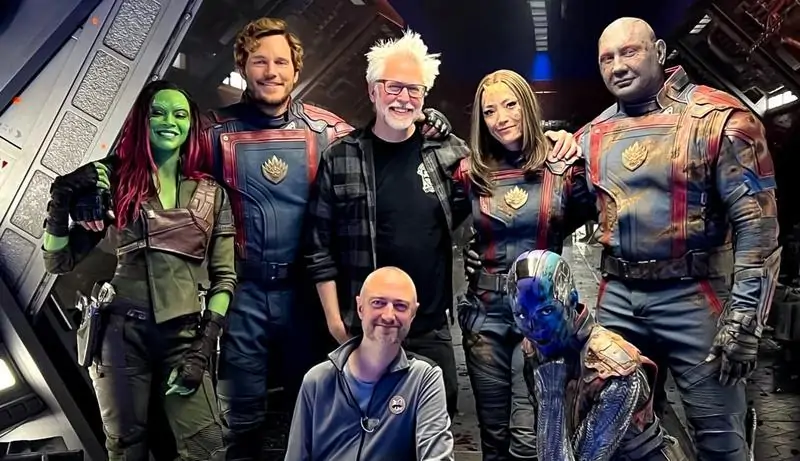
What we almost lost
If that creative committee had won, Guardians of the Galaxy would’ve been a soulless, music-free slog with Bradley Cooper doing his regular voice for a CGI raccoon. Instead, we got a film that redefined what superhero movies could be, funny, emotional, weird, and unapologetically itself.
Gunn’s willingness to fight for his vision didn’t just save one movie. It changed the trajectory of the entire MCU and proved that sometimes the best creative decisions come from trusting artists to be artists, not from design-by-committee corporate groupthink.
Now, as he shapes the future of DC’s cinematic universe with actual creative freedom, it’s clear that the lesson has been learned: when you hire someone like James Gunn, the smartest thing you can do is get out of his way and let him work his magic.
After all, nobody wants to live in a universe where Star-Lord dances in silence.