



When most game studios strike gold with a beloved franchise, the instinct is to build a towering narrative empire, each sequel stacking on top of the last, demanding players catch up or get left behind. Team Cherry? They’re taking a different path entirely.
Following the long-awaited release of Hollow Knight: Silksong, the indie darlings behind one of gaming’s most atmospheric Metroidvania have made something clear: they’re not interested in creating a traditional franchise ladder. Instead, they’re crafting something more like a constellation, individual stars that shine independently while belonging to the same night sky.
A philosophy of coexistence
In a recent conversation with ACMI, Team Cherry’s creative leads Ari Gibson and William Pellen pulled back the curtain on their design philosophy. Silksong, they explained, was built to “exist alongside” the original Hollow Knight rather than tower above it. You don’t need a degree in Hallownest history to appreciate what Silksong offers. Veterans will catch the subtle nods and deeper lore connections, sure, but newcomers can jump in without feeling like they’ve missed the first three chapters of a novel.
This isn’t just a happy accident, it’s intentional design. “We had an idea for a game we wanted to make, and we wanted it to be the best version possible,” Pellen shared with Eurogamer. “And if there were ever others, we’d hope they all follow that same pattern: games that simply exist next to each other.”
Gibson echoed this sentiment, noting how both titles “really complement each other” without one being a prerequisite for the other. It’s a refreshing stance in an industry where sequels often feel like homework assignments, requiring you to have completed the previous course before enrollment.
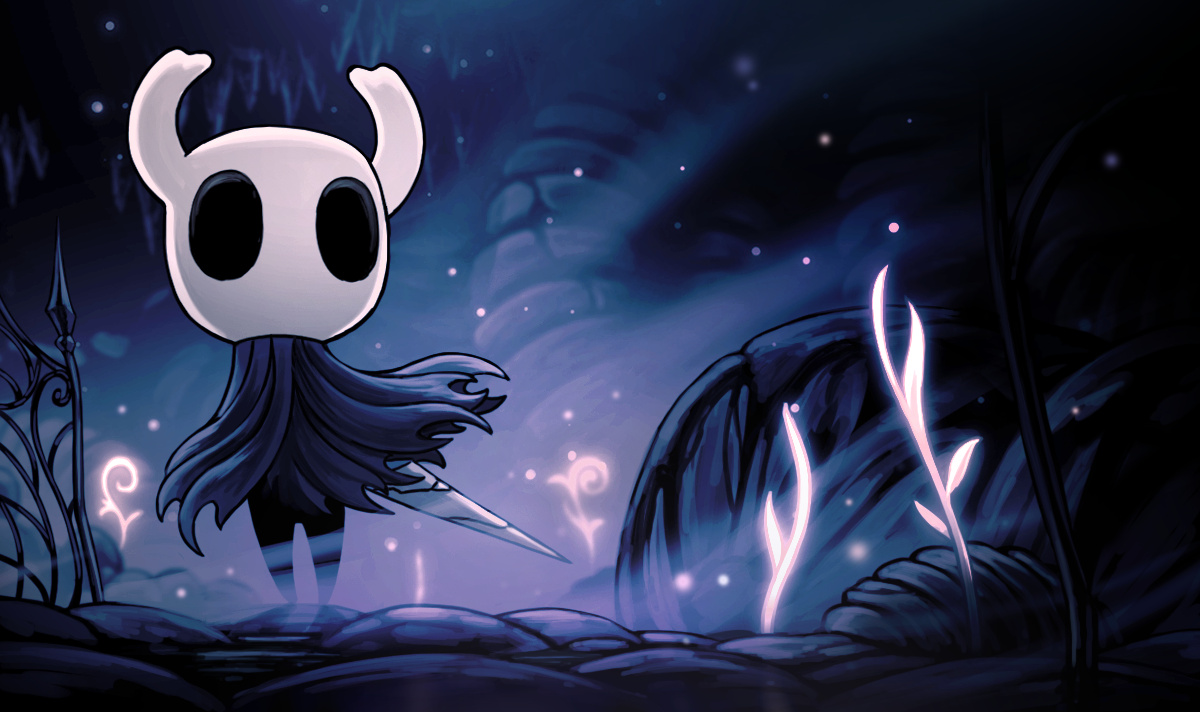
Breaking the franchise formula
What makes this approach particularly fascinating is how it challenges conventional wisdom about building a gaming franchise. Most studios see success and immediately start plotting trilogy arcs, interconnected storylines, and mandatory playing orders. Team Cherry is essentially saying: what if we didn’t do that?
This philosophy opens doors rather than closing them. Want to start with Silksong because Hornet’s story speaks to you? Go for it. Prefer the melancholic journey of the Knight in the original? That works too. Each game stands as its own complete experience, its own artistic statement within the broader world they’ve created.
For players, this means freedom. For Team Cherry, it means creative flexibility, each project can chase its own vision without being shackled to continuity demands or narrative obligations from previous entries.
What this means for the future
While Team Cherry hasn’t announced what’s next (and given their famously patient development cycle, we probably shouldn’t hold our breath), this design philosophy gives us a glimpse of what any future Hollow Knight universe game might look like. Whether they explore new kingdoms, introduce fresh protagonists, or dive into unexplored corners of their bug-filled world, we can expect standalone experiences that reward curiosity rather than demand commitment.
For now, the studio is focused on supporting Silksong with additional content, though details remain characteristically scarce. But knowing that any future entry won’t require players to have conquered both previous games? That’s the kind of player-friendly thinking that built Team Cherry’s devoted following in the first place.
In an era where gaming franchises often feel like full-time jobs, Team Cherry’s commitment to accessibility without sacrificing depth feels almost radical. Each game is an invitation, not an obligation, and that might just be the secret to keeping Hollow Knight’s magic alive for years to come.
Want to stay in the loop on the latest gaming news, indie darlings, and industry insights? Follow us for more stories that matter to your gaming life.