



ARC Raiders, Embark Studios extraction shooter that’s been making waves since its October 30th launch, has become the unlikely stage for a social experiment that’s got the gaming community talking. While most players are busy looting, shooting, and extracting, a curious subset decided to dig deeper into something far more intriguing: which platform breeds the most trustworthy players?
The game’s crossplay feature, typically celebrated as a bridge between gaming communities, became the key to unlocking this mystery. By simply toggling it off, players could isolate their experience to a single platform—and what they discovered challenges some long-held assumptions about gaming culture.
The great betrayal experiment
Here’s where things get interesting. Two players—one on PS5, another on PC—embarked on separate journeys through ARC Raiders’ unforgiving world, each with crossplay disabled. Their mission wasn’t just survival; it was documentation. They wanted to know: when you strip away the crossplay chaos and face only your platform peers, who shows their true colors?
The results paint a striking picture. PlayStation 5 players experienced betrayal in 24% of their encounters, while PC players faced backstabbing in just 4% of cases. That’s a sixfold difference that can’t be easily dismissed as coincidence.
But the numbers get even more revealing during extraction—that heart-pounding final stretch where tensions run highest and everyone’s true nature tends to surface. PS5 players got stabbed in the back during extraction 11% of the time, compared to a mere 1% for PC players. On the flip side, friendly encounters told the inverse story: only 3% of PS5 players showed genuine friendliness, while PC gamers extended the olive branch 10% of the time.
What does this actually mean?
Before we crown PC players as the paragons of virtual virtue, let’s pump the brakes. This experiment, while fascinating, isn’t exactly peer-reviewed science. The sample size remains unknown, Xbox players are completely absent from the data, and countless variables could influence these outcomes—from average player age to regional differences in gaming culture.
That said, the gap is wide enough to spark legitimate questions. Is there something about PC gaming culture that encourages cooperation? Does the console environment foster more competitive, cutthroat behavior? Or could it be as simple as different player demographics gravitating toward different platforms?
Some community members theorize that PC players, often more invested in communication tools like Discord, might be better at establishing trust before things go south. Others suggest that console players, raised on competitive multiplayer franchises, simply approach every encounter with a “shoot first, ask questions never” mentality.
Why ARC Raiders is the perfect testing ground
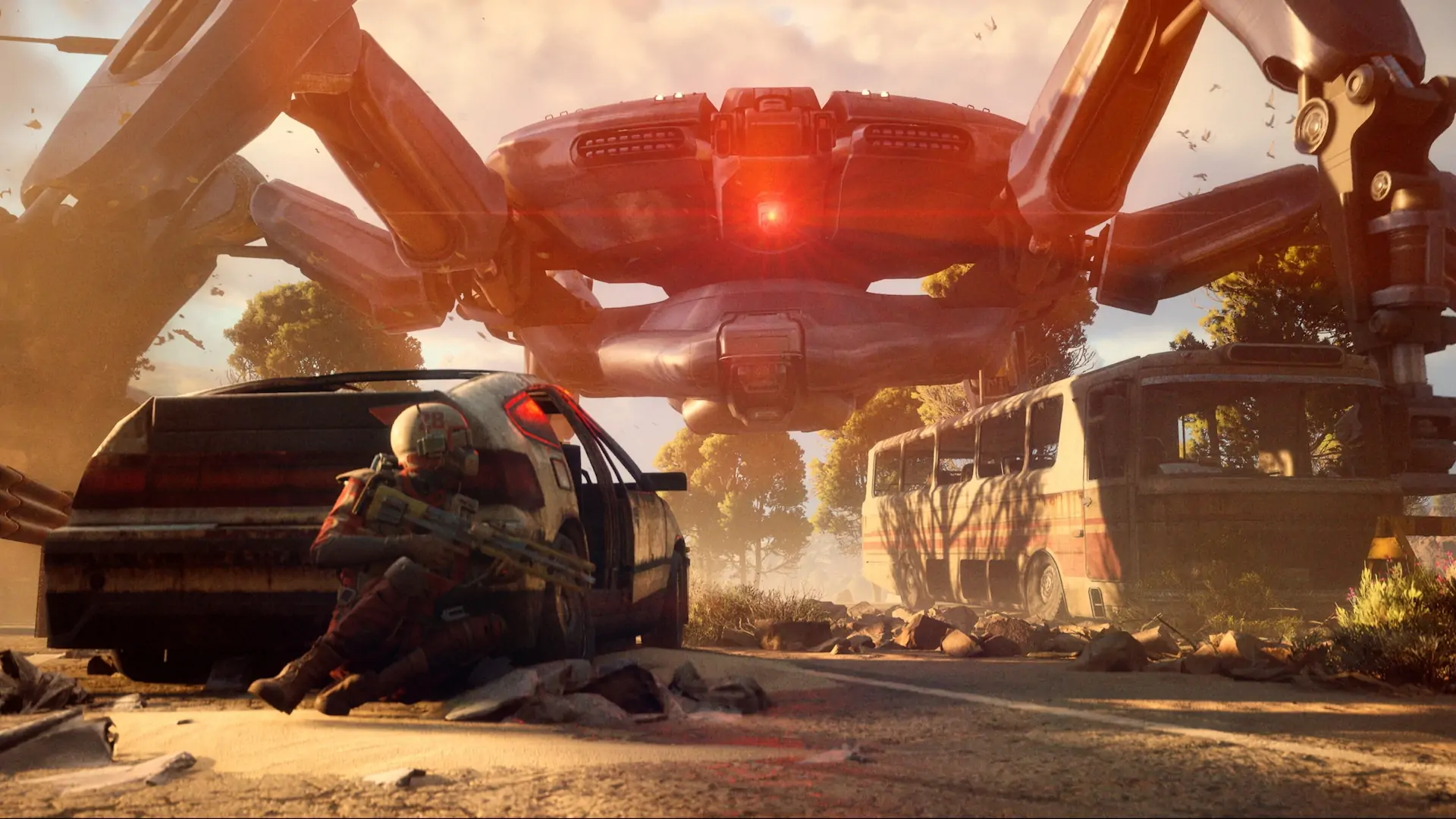
What makes this experiment particularly compelling is ARC Raiders itself. The game thrives on moral ambiguity—you can team up with strangers to take down mechanical threats, or you can wait until their guard is down and claim their loot as your own. It’s a digital Wild West where every encounter is a gamble, and trust is the rarest commodity.
This design philosophy has already sparked heated debates within the community about the game’s PvP elements. Some players love the tension of never knowing if that friendly wave is genuine or a prelude to betrayal. Others find the constant paranoia exhausting. Either way, it’s created the perfect petri dish for studying player behavior across platforms.
The game’s explosive success—breaking Steam records and already receiving its first major content update—means there’s no shortage of players contributing to this ongoing social experiment, whether they realize it or not.
The bigger picture
This quirky experiment taps into something larger than just one game. As crossplay becomes increasingly standard across the industry, understanding how different gaming communities interact becomes more important. Are we truly one unified gaming culture, or do platform allegiances run deeper than we thought?
The data from ARC Raiders suggests that where you play might influence how you play—not just in terms of hardware capabilities, but in fundamental approaches to social interaction in virtual spaces. That’s worth paying attention to, even if we need more research to draw definitive conclusions.
For now, if you’re jumping into ARC Raiders and hoping for a peaceful extraction, you might want to keep that crossplay enabled—or better yet, stick close to your PC-playing friends. Just maybe don’t turn your back during the final stretch.
Stay tuned for more deep dives into gaming culture, unexpected experiments, and the stories that make our community fascinating. Follow us to never miss the latest from the gaming world.