


An experimental PlayStation 5 emulator called SharpEmu has become the fastest-moving story in the emulation scene this July 2026, after successfully loading Astro Bot, a 2024 PS5 exclusive from Sony’s own Team Asobi. The project, developed entirely from scratch in C# by a programmer known as par274, is coded independently of any existing emulator and currently focuses on Windows, though Linux and macOS support are planned.
The milestone comes just weeks after Sony confirmed it will discontinue physical disc production for all new PlayStation games starting January 2028, a decision that has reignited urgency around game preservation through emulation.
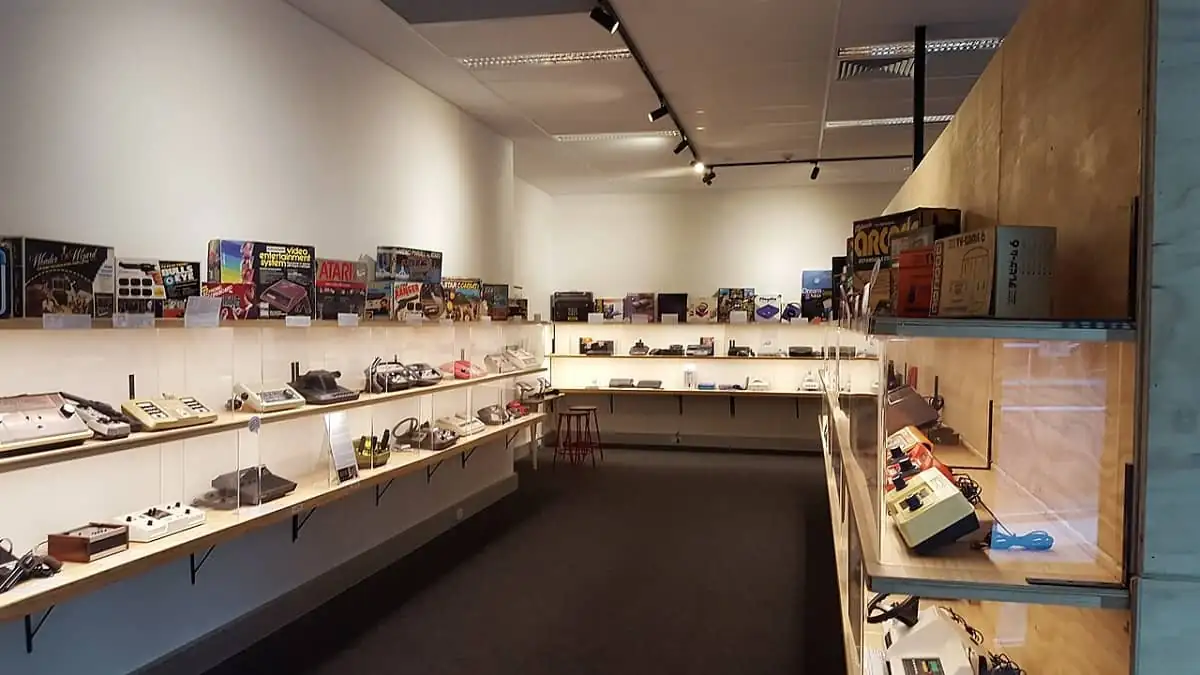
SharpEmu takes advantage of an architectural quirk that sets PS5 emulation apart from older PlayStation generations: the console’s hardware is built on a foundation close to a standard PC, unlike the PS3’s notoriously difficult Cell processor. That allows SharpEmu to run native CPU instructions directly rather than fully simulating a PlayStation processor, while translating the operating system calls, kernel functions, and graphics commands that games depend on.
It’s the same underlying approach that powers ShadPS4, the leading PS4 emulator, applied one console generation later.
What SharpEmu can actually do right now
According to the project’s own documentation on GitHub, SharpEmu can currently load the eboot.bin of real PS5 games, execute native CPU instructions, read game metadata, load system modules, and partially handle kernel-related functionality, though several critical components remain unfinished.
Some tested titles have already reached advanced internal stages such as sceVideoOut and AGC, AGC being the low-level graphics library Sony uses instead of a more conventional API like DirectX, which makes reaching that stage in a game’s shader pipeline a genuine technical benchmark rather than a superficial one.
The officially tested list includes Dreaming Sarah, Silent Hill: The Short Message, Poppy Playtime Chapter 1, and Demon’s Souls Remake. Dreaming Sarah is the furthest along, with real texture rendering already working. Demon’s Souls Remake boots its opening sequence but currently stalls in a video loop while the developer works on converting its shaders to Vulkan.
التقدم اللي وصلنا له للحين بمحاكي SharpEmu pic.twitter.com/rQCtIGDFeH
— Musashi | 武蔵 (@iExplosiveRage) July 20, 2026
On July 14, a Discord user going by RSantila went further, reportedly getting Astro Bot itself to boot on SharpEmu, a claim confirmed by multiple outlets, including VideoCardz and TheGamer, both of which note the footage shows no rendered gameplay and no functioning menu. Booting is not playing, but for a 2024 PS5 exclusive to load at all on an emulator this young is considered a significant technical step by the wider emulation community.
Older PlayStation emulation projects show how long this kind of progress usually takes. RPCS3, the PS3 emulator, first booted simple homebrew software in September 2011, but PS3 games didn’t start becoming reliably playable in meaningful numbers until 2017, when a new Vulkan renderer delivered the performance gains needed to push titles into “playable” status.

ShadPS4 moved considerably faster: after its first public release in September 2023, it booted Bloodborne, a real 3D commercial PS4 title, by July 2024. SharpEmu is reportedly outpacing PS4 emulation at the same point in its development cycle, according to Tom’s Hardware, which places its current trajectory ahead of both of its predecessors.
One additional detail stands out in SharpEmu’s GitHub activity. The contributor graph lists an account named “claude”, confirmed as Anthropic’s official Claude Code account, as the project’s third most active contributor, with 16 commits and more than 3,500 lines added in July alone, trailing only lead developer par274 and contributor xnetcat. It’s a detail that reflects how AI-assisted coding tools are increasingly showing up inside serious reverse-engineering projects, not just casual scripts.
Sony’s decision to end physical discs is fueling the emulation race
On July 1, Sony confirmed that physical disc production for all new PlayStation games will end starting January 2028. After that date, new titles will only be available through the PlayStation Store and at retail in digital form; the change does not affect games that have already released on disc.
Sony framed the move, in its own words, as adapting to how “the general preference for digital media significantly outpaces physical discs.” The company’s own financial results support that framing on paper: digital downloads accounted for 85% of full-game software sales across PS4 and PS5 in the fourth quarter of fiscal year 2025, according to figures cited by TechCrunch.
The announcement triggered immediate backlash across gaming communities, most of it centered on ownership rather than nostalgia. A physical copy can be resold, lent out, or played years after a publisher shuts down its online servers; losing that option raised renewed concerns about long-term game preservation, especially with early PS6 rumors suggesting Sony may still offer an optional detachable disc drive similar to the current PS5 setup, though nothing about the next console has been confirmed.
Threads on ResetEra have framed projects like SharpEmu explicitly as a way to preserve access to games Sony may eventually stop selling in physical form altogether, and the sentiment has spread quickly across X and Facebook gaming communities, where users have been sharing SharpEmu’s early boot footage alongside criticism of Sony’s decision.
SharpEmu isn’t the only project benefiting from the moment. Sony’s move away from physical media, combined with the anticipated release of GTA 6 later this year, has driven a sudden wave of renewed activity across PS5 emulation projects that had spent years largely dormant. SharpEmu has become the most visible of them, thanks to the pace of its recent updates and its growing list of tested titles, which is why it’s currently the name dominating headlines across gaming and tech outlets.
None of this means PS5 games are close to being playable on PC. SharpEmu remains, by its own developer’s description, a research and reverse-engineering project first and an emulator second, and titles like Astro Bot are still stuck well before anything resembling gameplay. But the pace of progress, and the timing relative to Sony’s disc decision, has turned a niche GitHub repository into one of the most closely watched projects in gaming right now.
So, what’s your take: does SharpEmu’s progress get you excited about PS5 emulation, or does Sony’s physical media decision worry you more? Let us know in the comments!