

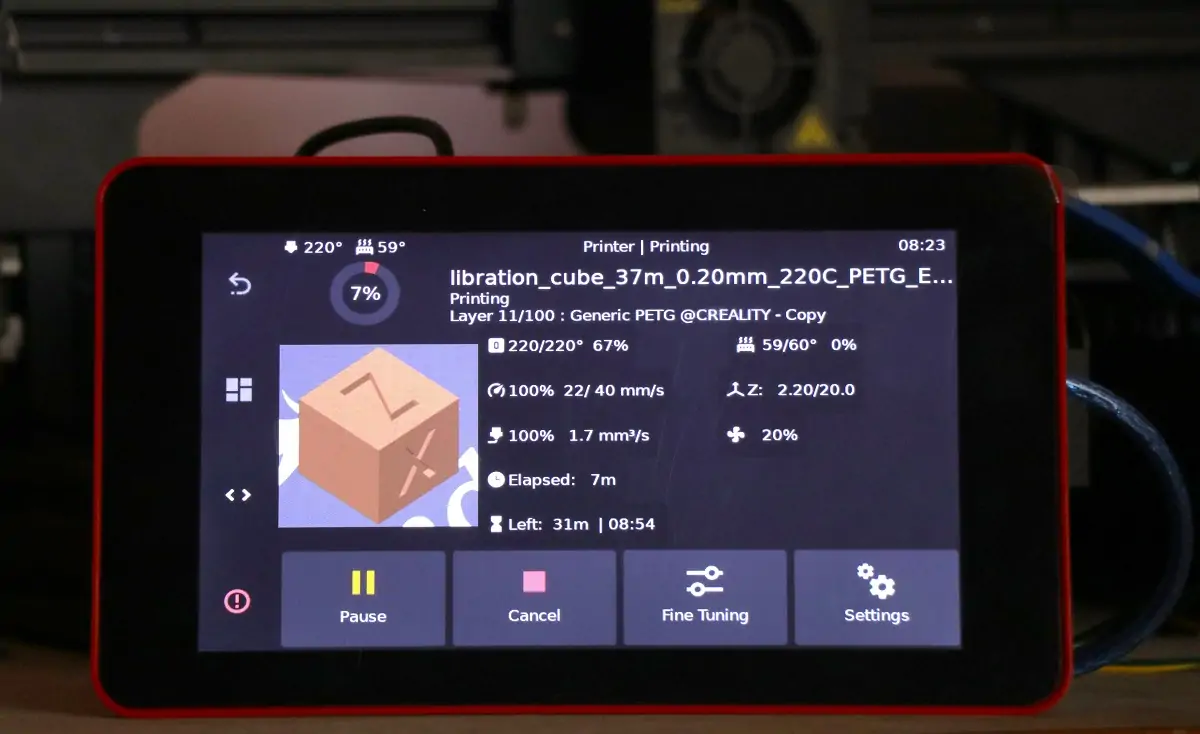

On May 27, Governor Kathy Hochul signed a law that makes New York the first state in the country to require all 3D printers sold there to come equipped with technology that blocks the printing of firearms and illegal gun parts. If you own a 3D printer, a CNC machine, or anything in between, pay close attention, because this one changes things.
The law is part of New York’s 2026-2027 state budget and it doesn’t just target hobbyist printers. Under the new legislation, every machine capable of creating a three-dimensional object from a digital file, including CNC milling machines that work by removing material rather than adding it, must include what the law calls “blocking technology.”
That means hardware, software, or firmware that scans every single print file through a “firearms blueprint detection algorithm” before the machine is allowed to run. If the algorithm flags the file, the printer won’t work. Period.
The law also creates a working group, led by the New York State Division of Criminal Justice Services, that has 90 days to convene and one year to deliver recommendations on what exactly that blocking technology must do and what performance standards it needs to meet.
There is one escape hatch: if the group determines the technology isn’t feasible, no regulations will kick in until they decide it is. Critics, however, point out that a working group stuffed with the wrong people could easily rubber-stamp whatever lawmakers want to hear.

Every print job will go through a government algorithm first
Here’s what this actually looks like in practice. You design a custom bracket for your shelf. You hit print. Before your machine does anything, a government-mandated algorithm scans the file and decides whether it thinks you’re trying to make a gun part. If it doesn’t like what it sees, your printer locks up. That’s the reality this law creates for every 3D printer owner in New York.
The problem is that this algorithm is, technically speaking, an almost impossible thing to build accurately. Adafruit’s Phillip Torrone explained it clearly: a firearms blueprint detection algorithm would need to identify every possible firearm component from raw STL and GCODE files without flagging pipes, tubes, blocks, brackets, gears, or the millions of other legitimate shapes that happen to share geometric properties with gun parts. It’s a classification problem with enormous false positive and false negative rates.
One manufacturer’s pilot tests found that the algorithm flagged 17% of non-weapon prints as potential firearms. That’s roughly one in six completely innocent print jobs getting blocked. A custom bike mount. A replacement part for a kitchen appliance. A figurine. All potentially flagged by software that has no way of understanding context or intent.
The Electronic Frontier Foundation called it a surveillance mandate and launched a campaign against it, warning that it’s technically unfeasible and will only end up stifling competition, free expression, and privacy. And they’re not alone.
This law hits everyone, hobbyists, manufacturers, researchers
One of the biggest concerns about this legislation is just how wide the net is. The law’s definition of “three-dimensional printer” explicitly covers machines that use subtractive manufacturing, meaning CNC milling machines, the kind used daily in automotive, aerospace, and medical manufacturing, are fully included. There are no exceptions for researchers, commercial manufacturers, or even federally licensed gunsmiths.
Open source firmware projects like Marlin, Klipper, and RepRap are also swept in, and those are maintained by volunteers who don’t have legal teams or compliance budgets. The same goes for small businesses and repair shops that rely on CNC equipment worth tens of thousands of dollars.
The Electronic Frontier Foundation also raised a concern that goes beyond the machines themselves. Under the new law, sharing certain digital design files could expose people to criminal charges, even if nobody involved intends to build anything illegal. A journalist covering 3D-printed guns, a researcher studying the technology, an artist using parts in a commentary piece, all potentially at risk.
The NRA, in an unusual moment of common ground with the EFF, called the law not just a Second Amendment issue but a First Amendment one, comparing the restrictions on digital design files to book bans. The organization has already signaled it intends to sue.
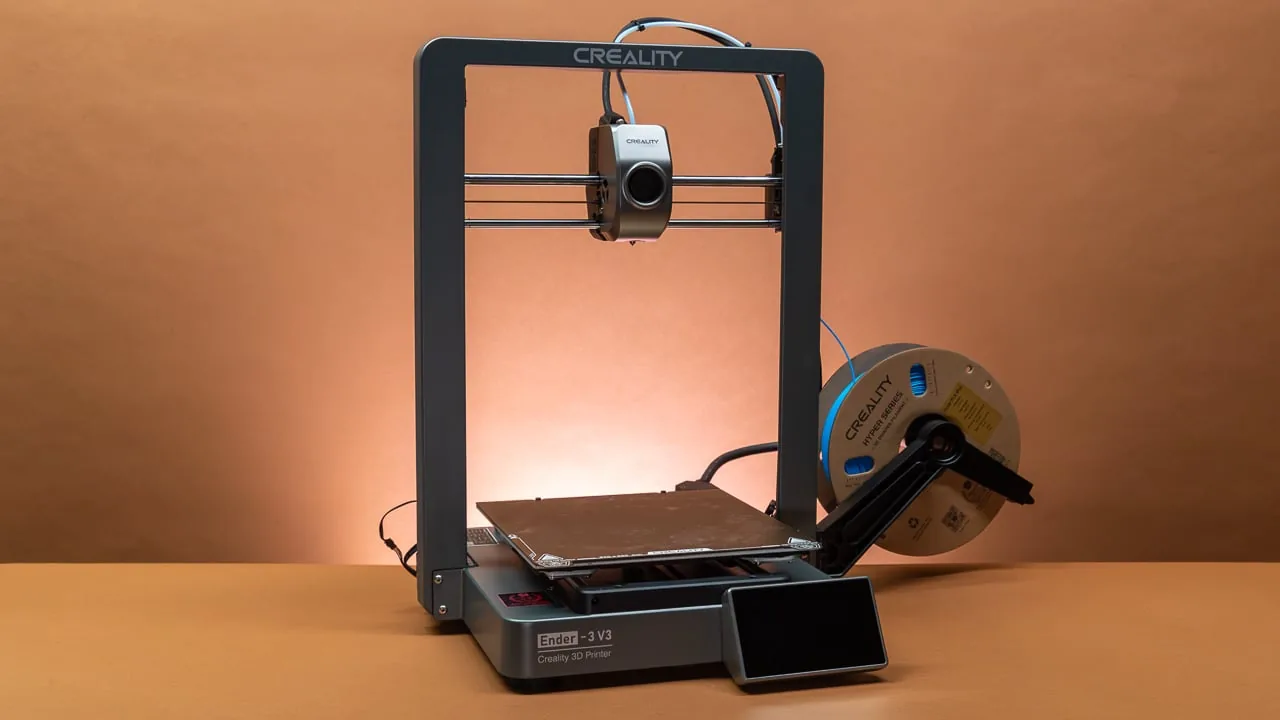
Adafruit’s Torrone put the underlying argument plainly: we don’t require table saws to scan wood for weapon shapes, and we don’t require lathes to phone home before turning metal. We prosecute people who make illegal things, not people who own tools.
None of this means the concern behind the law isn’t real. The NYPD recovered just one 3D-printed gun in 2021. By 2024, that number had climbed to 109 in Manhattan alone. The December 2024 murder of UnitedHealthcare CEO Brian Thompson, where the shooter used a 3D-printed firearm and silencer, was part of what pushed this legislation forward. The problem is growing, and that context matters.
But a law that mandates surveillance software inside every fabrication machine, with an algorithm that flags one in six legitimate prints, is a blunt instrument aimed at a precise problem.
New York is now the test case. Washington State signed a similar law in March, and California is working on its own version. Whatever happens here, the legal challenges, the technical failures, the community pushback, will set the tone for how the rest of the country handles this debate.
There’s also a separate bill still in committee that would go even further, requiring a full background check just to buy one of these machines, treating your 3D printer the same as a firearm purchase.
If you’re a maker, an educator, a small business owner, or just someone who likes building things, this one is worth watching closely.
What do you think, is New York going too far, or does this kind of regulation actually make sense? Tell us in the comments, we want to hear your take!