


If you would like to listen instead of reading, now you can listen this article on Spotify too!
California just filed a bill that could fundamentally change how 3D printers work, not just for gun enthusiasts, but for every maker, hobbyist, and small business that relies on one.
Introduced by Assemblymember Rebecca Bauer-Kahan, AB 2047 targets what lawmakers are calling “firearm blueprint detection algorithms”, software built directly into 3D printers that would identify and block the printing of gun-related files. The bill was read for the first time on February 17, 2026, and is already scheduled for a committee hearing on March 20.
What does AB 2047 actually require?
The timeline laid out in the bill is pretty aggressive. By July 1, 2027, California’s Department of Justice would need to publish performance standards for firearm blueprint detection algorithms. By January 1, 2028, the DOJ would start certifying those algorithms. And by July 1, 2028, every 3D printer manufacturer that wants to sell in California would need to submit attestation forms for each make and model they intend to offer.
Then comes the big one: beginning March 1, 2029, the sale or transfer of any 3D printer not equipped with certified firearm blocking technology and not listed on the DOJ’s approved roster would be prohibited. Think of it like California’s handgun roster, but for printers.
And if you’re thinking about just removing the software? The bill makes it a crime to knowingly disable, deactivate, uninstall, or otherwise circumvent any firearm blocking technology installed in a 3D printer, if the intent is to manufacture firearms or sell modified printers in California.
The maker community is not happy
This is where things get messy for the broader 3D printing world. The entire premise rests on software that can reliably detect firearm blueprints before anything gets printed, which is a technically complicated problem that nobody has cleanly solved yet.
Critics from the maker and open-source hardware communities point out that 3D printers are general-purpose machines. The same printer that produces a cosplay helmet today could theoretically print something else tomorrow, and drawing that line in code is far harder than it sounds on paper.
Civil liberties experts have also flagged concerns, arguing that banning design files could run into First Amendment problems, since those files are essentially made up of text and code. That debate isn’t going away anytime soon.
The Firearms Policy Coalition summarized the bill bluntly, saying it would ban the sale and transfer of 3D printers unless they’re listed on a state roster certifying that they block guns from being printed. That framing resonates with a lot of people outside the gun debate, because it affects anyone who buys or sells a printer in the state.
This goes way beyond California
Here’s the part that should have the global 3D printing industry paying close attention: California is not just any state. It’s the world’s fifth-largest economy, and when it sets a product standard, manufacturers worldwide tend to follow, or get left out of a massive market.
The global 3D printing market is projected to grow from $28.55 billion in 2026 to $136.76 billion by 2034, and a huge chunk of that action flows through the U.S. No serious manufacturer can afford to simply opt out of California.
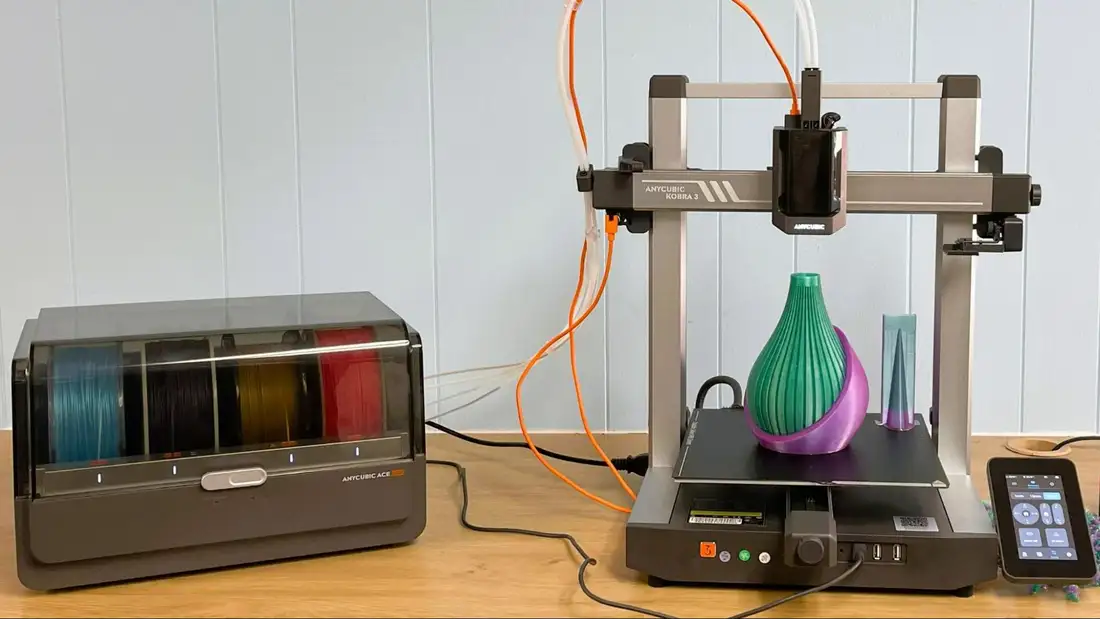
The domino effect is real. Companies like Creality, Anycubic, Bambu Lab, FlashForge, Artillery, Qidi, and many more are all based in China, and a large majority of all desktop 3D printers on the planet are manufactured by these Chinese-based companies.
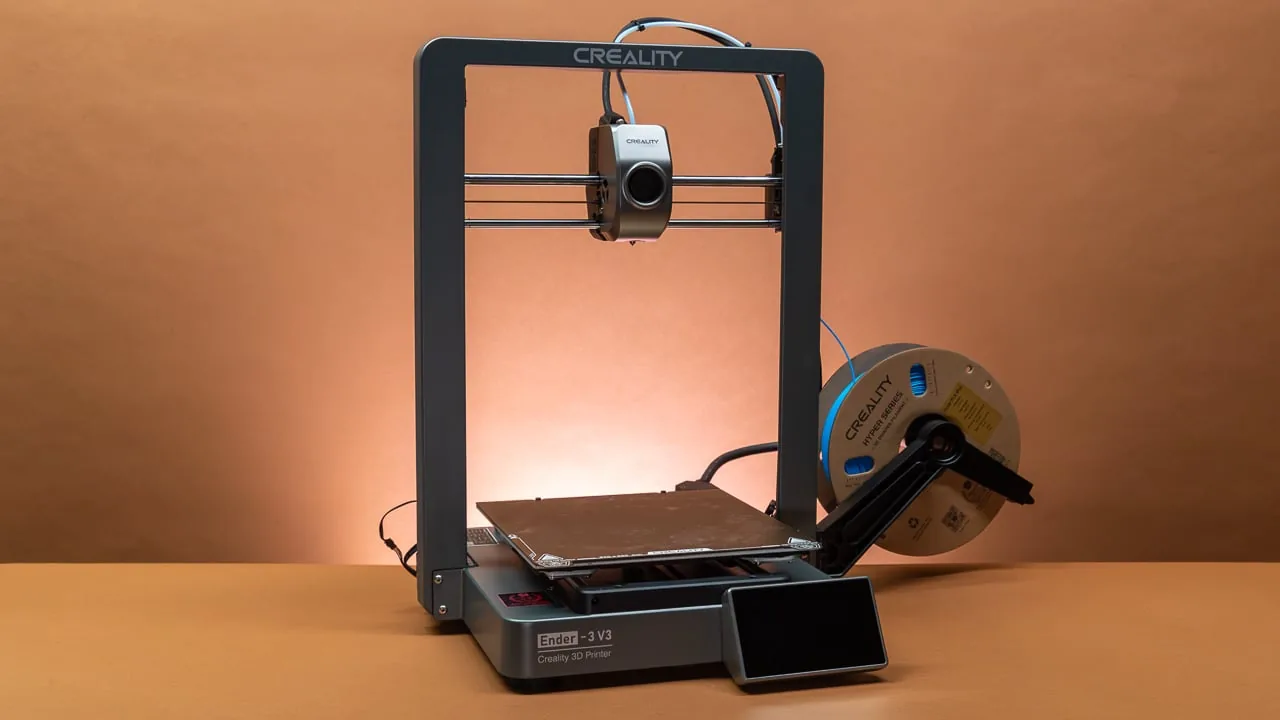
If AB 2047 becomes law, every single one of them would face a choice: engineer certified blocking technology into their firmware to stay on California’s approved roster, or walk away from one of the most lucrative consumer markets in the world. Spoiler: they won’t walk away.
That decision ripples outward. Once a manufacturer builds compliance into a product line for California, that same hardware tends to ship globally, because maintaining separate regional hardware configurations is expensive and operationally messy.
So what starts as a California mandate could quietly become the standard spec for printers sold in Europe, Asia, and Latin America too. That’s the “California Effect” in action, and it’s happened before with car emissions, energy standards, and consumer electronics regulations.
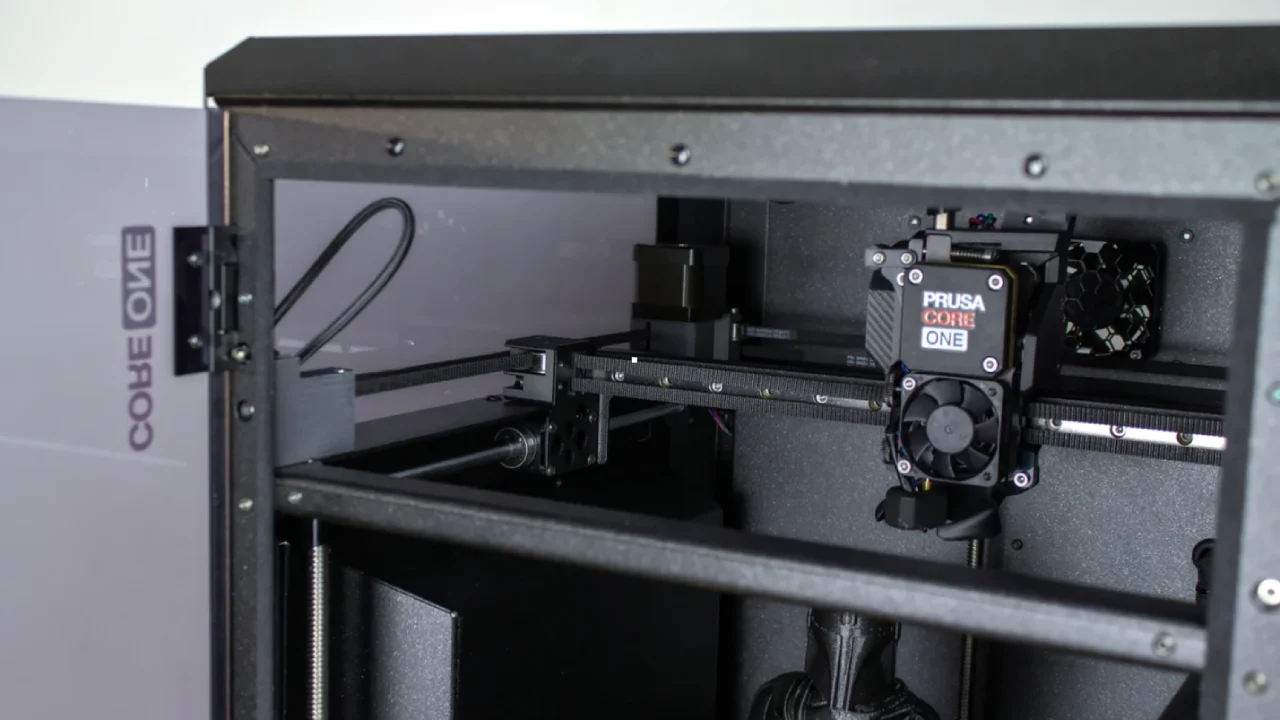
U.S. and European brands like Prusa and LulzBot could benefit from the rising regulatory pressure, since they’re better positioned to navigate a compliance-heavy environment than their Chinese competitors. But right now they cover a small slice of the affordable printer market, so the overall disruption would still be significant.
California isn’t alone in this trend either. States like New York and Washington are exploring similar approaches, so AB 2047 could end up being a blueprint, no pun intended, for how other legislatures tackle the ghost gun problem going forward. The bill still has a long road ahead before it becomes law.
But if it passes, it would be one of the most significant pieces of hardware-level legislation ever applied to consumer electronics, one whose consequences would be felt far outside the borders of California.
What do you think , is built-in blocking tech a smart move to stop ghost guns, or does it open the door to government-controlled hardware on a global scale? Drop your take in the comments!