


UPDATE MAY 5, 2026
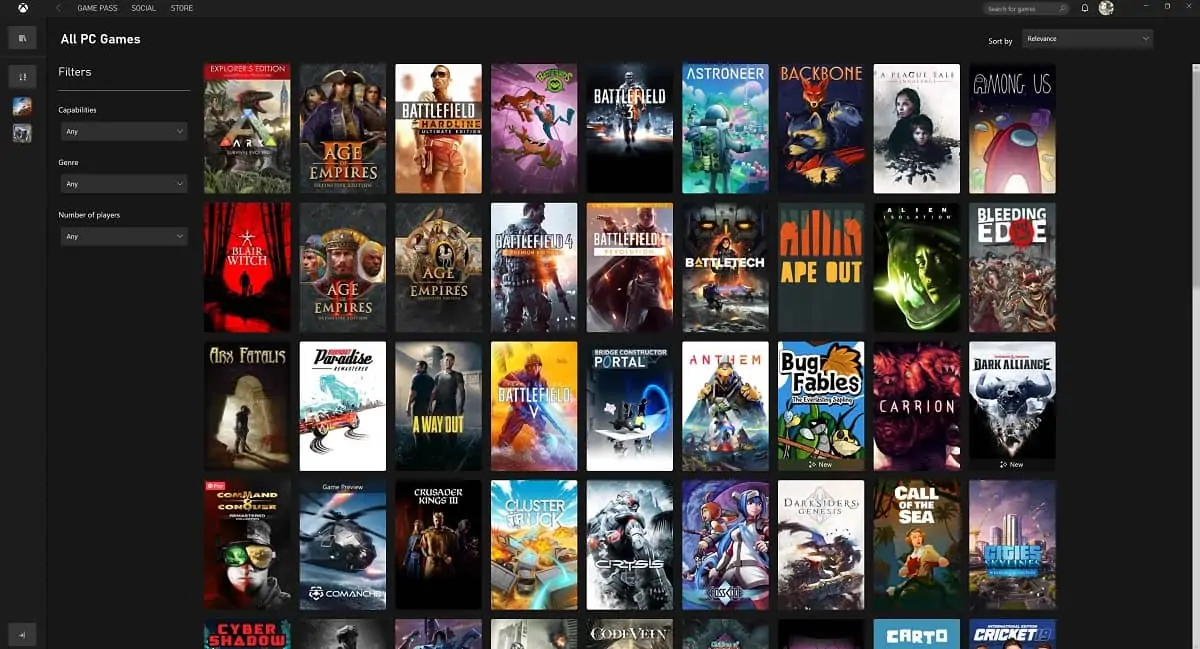
Microsoft quietly deleted two pages from its official site that recommended 32GB of RAM as the ideal gaming upgrade and misleadingly linked Copilot+ PCs with gaming performance, after significant user backlash. The company even removed the pages from the Wayback Machine, erasing nearly all public traces of the material. The move comes as Microsoft simultaneously acknowledges Windows 11’s memory issues and Satya Nadella pledges to optimize the OS for low-RAM devices.
ORIGINAL ARTICLE
Microsoft updated its Windows 11 gaming documentation in May 2026 to officially label 32GB of RAM the “no-worries” upgrade for gaming PCs. The company still lists 16GB as the baseline starting point, but the message is clear: for anyone who wants to game without thinking about memory again, 32GB is now the target.
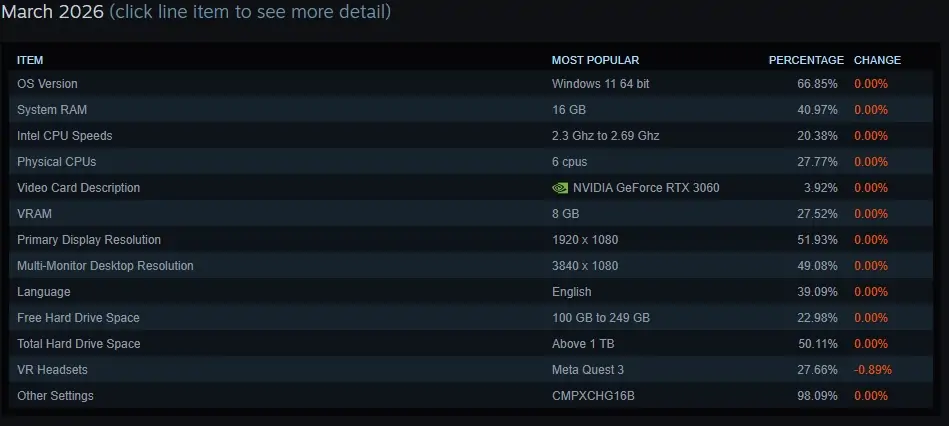
The announcement landed at a complicated moment. The Steam Hardware Survey for March 2026 shows that 16GB of RAM has reclaimed the top spot among PC gamers, sitting at 40.97% of the surveyed user base. 32GB configurations dropped a massive 20.31% in a single month, a sign that gamers have been forced to either buy lower-specced hardware or downgrade their systems to cash in on their increasingly valuable RAM. Nearly 41% of Steam’s gaming population is on 16GB right now, and not by choice.
Why Microsoft is drawing the line at 32GB
Microsoft is not saying 16GB is outdated. The company still frames it as a practical starting point. But 32GB is no longer positioned as an enthusiast upgrade, it is being normalized as the safer, more future-proof option, especially for users running Discord, browsers, or streaming tools alongside their games.
A typical Windows 11 gaming session includes Discord running in the background, multiple browser tabs, launchers like Steam or Epic Games Store, GPU overlays, and telemetry services that never fully close. In practice, Windows 11’s background processes combined with typical gaming applications can consume 6–8GB before a game even launches, leaving the game competing for whatever memory remains.
When Microsoft talks about 32GB removing the worry, it is not about squeezing out extra frames per second. It is about avoiding stutters, preventing background apps from interfering, and reducing memory pressure during longer sessions. In simple terms, 32GB gives newer titles more breathing room as memory demands continue to rise.
The future-proofing argument also holds weight. While Microsoft has not officially announced Windows 12 memory requirements, each successive Windows version expands its memory footprint. Windows 12, rumored for late 2026 or 2027, will almost certainly push that baseline higher, especially with AI-powered features running locally. A 32GB system purchased today will likely sail through that transition without a problem. A 16GB system may find itself at the minimum tier of the next OS, with a noticeably degraded experience.
The real problem: RAM prices are at historic highs
Microsoft’s recommendation would be easier to swallow if 32GB were affordable. It is not. DDR5 32GB kits currently cost between $350 and $410 in the United States, up from roughly $80 to $100 in 2024. That is a price increase of more than 300% in under two years.
The spike is being driven by AI datacenter demand consuming available DRAM supply, with analysts saying meaningful price relief is unlikely before late 2027. Gamers are absorbing the consequences of a shortage they had no part in creating. When budgets tighten, memory capacity becomes one of the easier places to compromise, especially compared to replacing a GPU. The Steam survey numbers reflect exactly that logic.
Newer releases are already starting to require 32GB in their recommended specs, including The Elder Scrolls IV: Oblivion Remastered, S.T.A.L.K.E.R. 2: Heart of Chornobyl, and Microsoft Flight Simulator 2024. The games are moving forward. The market conditions are not cooperating.
There is also something worth noting about where this memory pressure comes from. Windows itself is using more memory because Microsoft pushed web-based frameworks, and developers followed that direction. Now it is regular users who bear the cost. The company recommending 32GB is, in part, responding to a problem it helped create.
What the 41% running 16GB should actually do
The situation for 16GB users is not an emergency. Most current AAA titles, including Cyberpunk 2077, Starfield, Hogwarts Legacy, God of War Ragnarök, and Elden Ring, still list 16GB as their recommended specification. Existing game libraries will not suddenly become unplayable.
What 16GB users will increasingly notice is performance degradation over time, not failure. The practical impact shows up during extended gaming sessions, where memory pressure causes stuttering, longer loading times, and occasional crashes, issues that 32GB configurations largely eliminate. On a 16GB system, once a demanding game is loaded, Windows, Discord, and a browser are already competing for whatever is left.

For anyone building a new PC right now, pushing to 32GB is worth the stretch if the budget allows, because prices are not dropping soon and game requirements are only climbing. For anyone on an existing 16GB system, the setup is not broken, it is just showing its limits more often than it used to.
Swapping out RAM sticks is inconvenient, but replacing an entire GPU is expensive enough to qualify as a serious financial decision. At least memory remains upgradeable on most desktop systems, even if the current moment is about the worst possible time to do it.
Microsoft’s recommendation is technically sound. The timing is just painfully out of step with what most gamers can realistically spend.
Are you gaming on 16GB or have you already made the jump to 32GB? Tell us in the comments, we want to know how you’re handling the RAMpocalypse!