



Nintendo launched the Game Boy in Japan on April 21, 1989, and just a few months later, on July 31, it arrived in North America. The device was designed by engineer Gunpei Yokoi, who got the idea for a portable gaming console after watching a businessman playing with an LCD calculator on a train. Yokoi worked alongside Satoru Okada and Nintendo’s Research & Development team to bring the concept to life, patenting the design in the United States on September 24, 1985.
The Game Boy was not the most powerful handheld on the market at the time of its launch. It featured an 8-bit Z80 processor, a monochrome LCD display, and 4-channel stereo sound. The Atari Lynx launched just two months later with a color screen, and Sega’s Game Gear and NEC’s TurboExpress followed a year after that, both with color displays and more processing power. None of them could keep up with Nintendo’s device.
The reason came down to one thing: battery life. Adjusted for inflation, it cost an estimated $2.30 an hour to run a Game Gear. The Game Boy cost 16 cents. The Game Boy ran on four AA batteries for 10 to 14 hours. Its competitors burned through six batteries in a fraction of that time. For consumers, the choice was easy.
In Japan, the initial shipment of 300,000 units sold out within two weeks. In the United States, 40,000 units moved on launch day, with sales reaching one million within weeks. The Game Boy was already a hit, and it hadn’t even played its biggest card yet.
Tetris, Pokémon, and the titles that defined a generation
Nintendo’s decision to bundle the Game Boy with Tetris in North America turned out to be one of the smartest moves in gaming history. Tetris was perfect for traveling, players could pick it up for five minutes or an hour and still feel satisfied. It pulled in audiences far beyond traditional gamers, parents, commuters, people who had never touched a video game before. Over 35 million copies of Tetris were shipped alongside the Game Boy, making it the second best-selling title in the platform’s history.
If you want to see how that deal came together, the 2023 Apple TV+ film Tetris tells the full story. Directed by Jon S. Baird and starring Taron Egerton as Henk Rogers, the film recreates the Cold War-era legal battle to secure the worldwide licensing rights to Tetris and how it ended up shaping the Game Boy’s launch. Rogers convinced Nintendo to bundle Tetris with the Game Boy instead of Super Mario Land, a decision that turned a video game console into a cultural phenomenon.
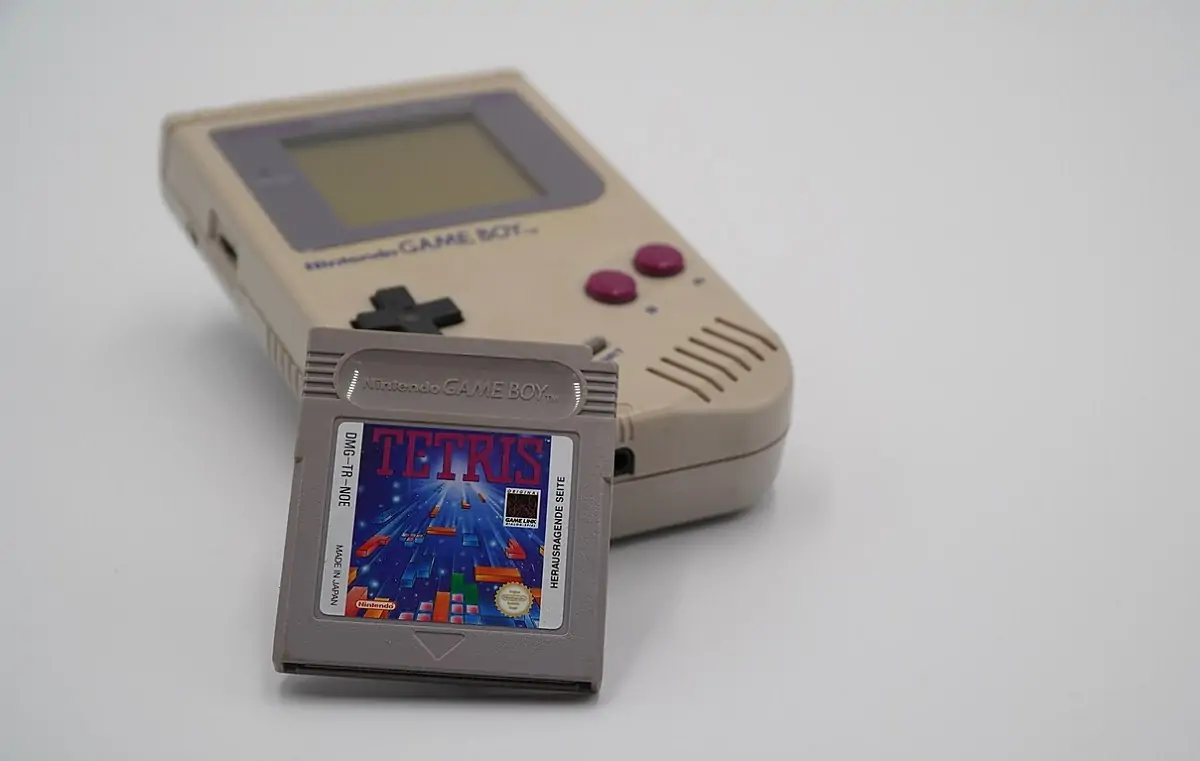
The best-selling title of all time on the platform came seven years later. When Pokémon Red and Blue arrived in 1996, the franchise exploded into a cross-media juggernaut that completely revitalized a device that was already approaching a decade old. The game turned the Game Boy’s link cable into a social tool, kids gathered on playgrounds to trade and battle, creating a shared experience unlike anything the handheld had seen before. The link cable technology itself came from an electronic mahjong game, a detail that fits perfectly with Yokoi’s philosophy of repurposing existing technology in creative ways.
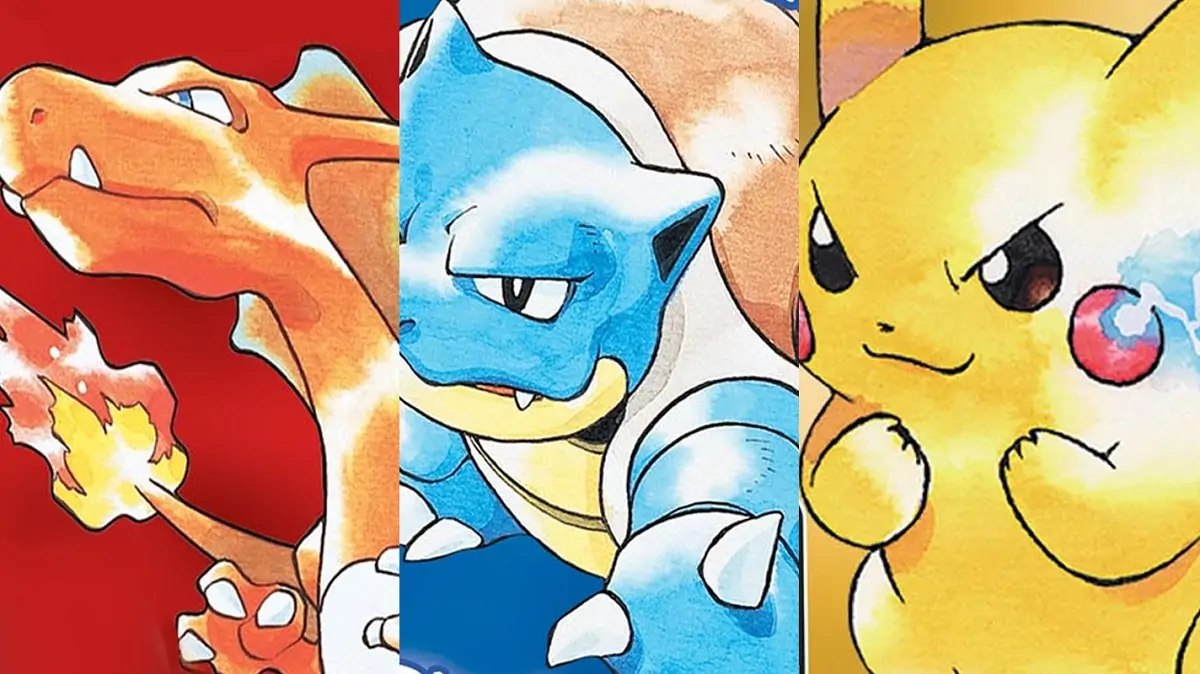
Pokémon Red, Blue, and Yellow combined sold approximately 46 million units worldwide, making them the best-selling titles in the Game Boy’s entire library. The franchise only grew from there, to date, the Pokémon video game series has sold over 489 million units, a legacy that started on a monochrome screen in 1996.
Pokémon wasn’t the only major franchise that called the Game Boy home. Super Mario Land launched alongside the console in 1989 and sold over 18 million units worldwide, making Super Mario the third best-selling franchise on the platform.
The Legend of Zelda arrived in 1993 with Link’s Awakening, a full portable adventure so well-regarded that it got a DX version for Game Boy Color and a complete Nintendo Switch remake years later.
Metroid also made the jump to handheld with Metroid II: Return of Samus in 1991, a title influential enough that Nintendo revisited it with a full modern remake, Metroid: Samus Returns, on the Nintendo 3DS in 2017.
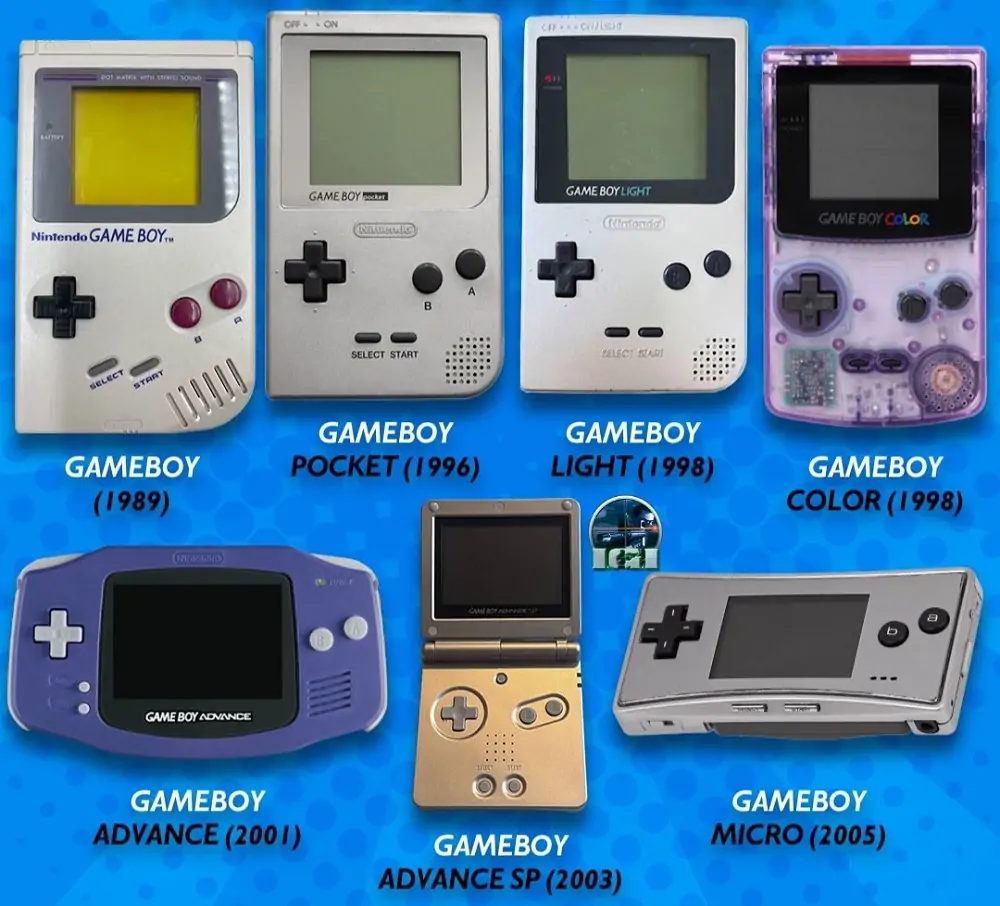
By 1997, the Game Boy and Game Boy Pocket had sold over 64 million units worldwide. Nintendo responded to the platform’s aging hardware with a series of redesigns that kept the line alive well into the 2000s.
From Pocket to Micro
In 1996, Nintendo released the Game Boy Pocket, a slimmer, lighter version of the original with a cleaner display. Two years later came a revision that most players outside Japan never got to experience: the Game Boy Light.
Released on April 14, 1998 and exclusive to Japan, the Game Boy Light was the first Game Boy to include an electroluminescent backlit screen, and the only Nintendo handheld with that feature until a backlit version of the Game Boy Advance SP was released in 2005. It solved what had been the platform’s most persistent complaint: the screen was impossible to see in low light without an external accessory. Battery life came in at around 20 hours with the backlight off and 12 hours with it on.
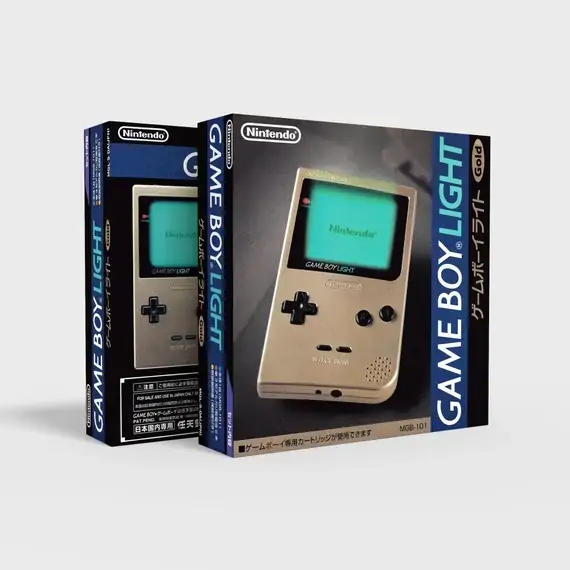
The device launched in gold and silver, with limited special editions released later, including a Pikachu model sold exclusively at Pokémon Center Tokyo. Only an estimated 1,000 of those Pikachu units were ever produced. Today the Game Boy Light is considered a holy grail among collectors, rare, Japan-exclusive, and historically significant as the last monochrome Game Boy ever made.
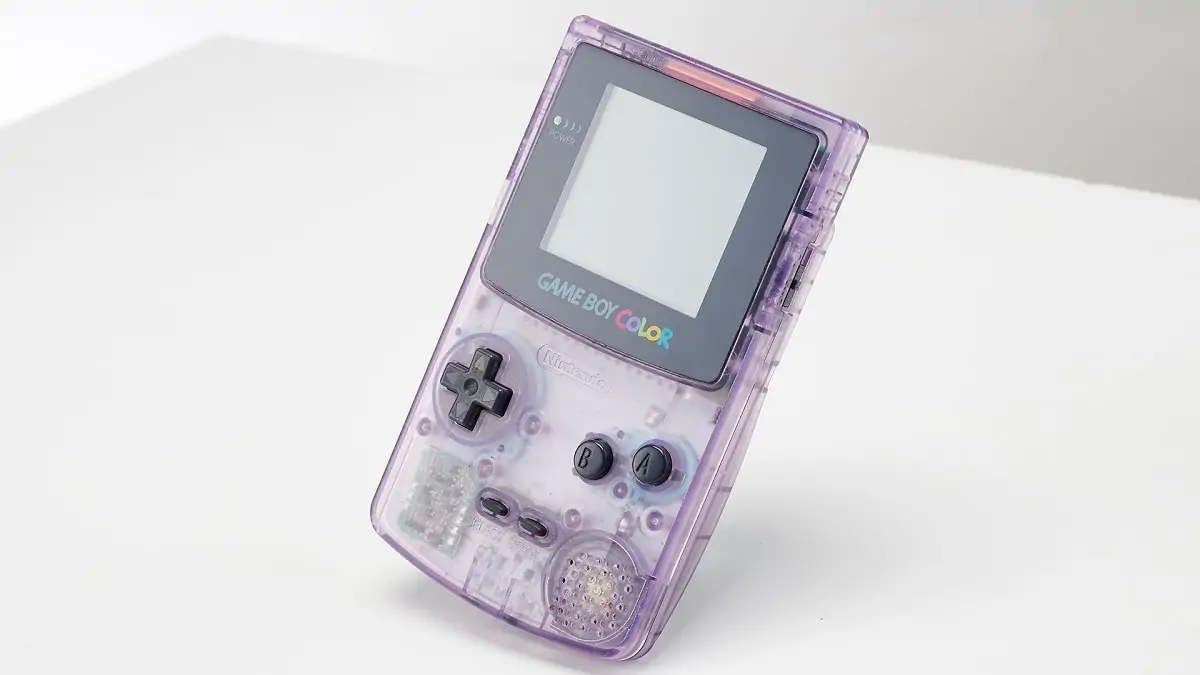
Just six months after the Light launched, Nintendo released the Game Boy Color in Japan at the exact same price point, which effectively ended the Light’s commercial run before it had a chance to find an audience. The Game Boy Color brought a color TFT screen, a faster processor, and four times the memory of the original, while remaining backward compatible with the existing Game Boy library. The Game Boy and Game Boy Color combined sold 118.69 million units worldwide, making them the fourth best-selling console of all time.
In 2001, Nintendo released the Game Boy Advance, a 32-bit handheld with a landscape screen orientation and a significantly more powerful processor. The GBA sold 81.5 million units worldwide. It also gave Pokémon a new home, with Ruby and Sapphire, FireRed and LeafGreen, and Emerald all becoming massive sellers on the platform.

The final chapter of the Game Boy line came in September 2005 with the Game Boy Micro. Developed internally under the codename “Oxy,” the Micro was Nintendo’s attempt to see just how small a fully functional Game Boy Advance could be made. The result was a compact, metal-bodied device with a sharp backlit screen and interchangeable faceplates that players could swap out to customize their console. Nintendo marketed the faceplate feature heavily, hoping to attract consumers outside the typical gaming audience.
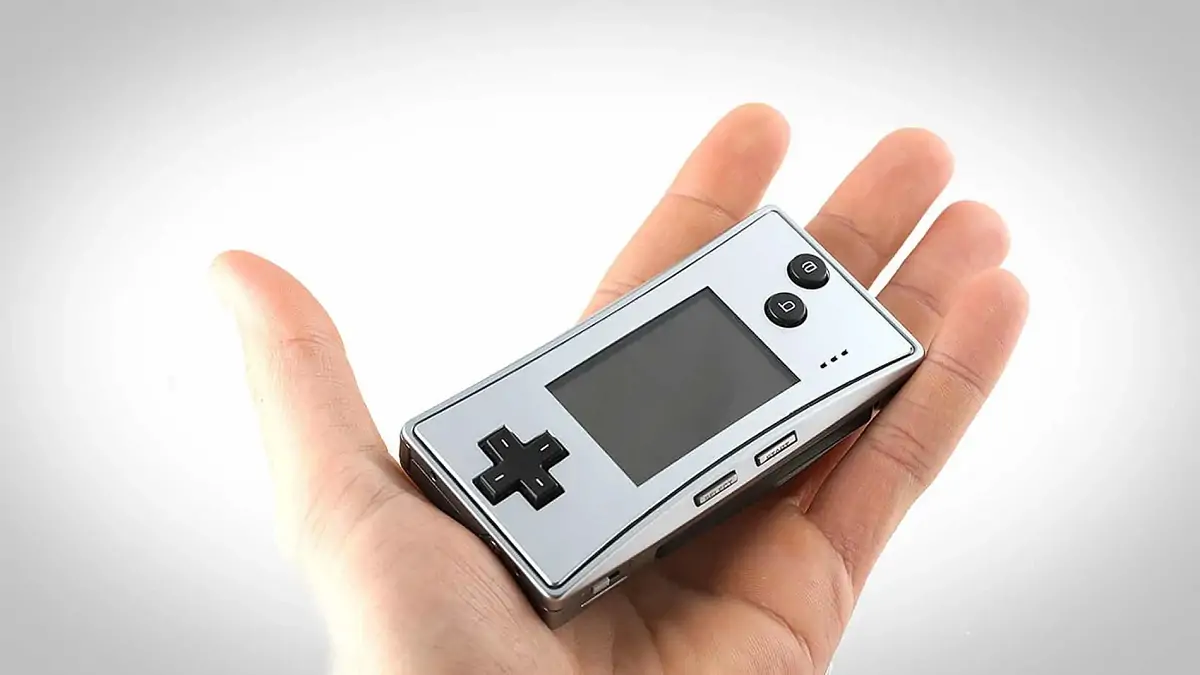
The Micro had real problems, though. Unlike previous Game Boy Advance models, it dropped backward compatibility with original Game Boy and Game Boy Color games entirely. It also launched at $99, $20 more than the Game Boy Advance SP, at a time when the Nintendo DS was already on shelves and absorbing most of Nintendo’s marketing attention. The DS could also play GBA cartridges, which made the Micro a harder sell. The device sold approximately 2.5 million units worldwide, well below Nintendo’s expectations. Nintendo’s own leadership acknowledged that DS marketing had hurt Micro sales directly.
Despite its commercial performance, the Micro has earned a dedicated following among collectors over the years, valued for its premium build quality and its place in history as the very last Game Boy Nintendo ever produced. When sales finally wrapped up in 2010, it closed 21 years of Game Boy history.
37 years later: The legacy that won’t quit
Three and a half decades after that first Japanese launch, the Game Boy remains one of the most culturally significant consumer electronics ever made. An estimated 26.7 million Americans still regularly play retro consoles including the Game Boy, contributing to a $2.5 billion global retro gaming market growing at 7 to 10 percent per year.
The modding and collecting communities built around the Game Boy have exploded in recent years. The Game Boy tops collector lists worldwide, with modding communities thriving by combining original hardware with modern upgrades like backlit IPS screens and HDMI outputs. Companies like Analogue produce FPGA-based devices that play original cartridges with pixel-perfect accuracy on modern displays. ModRetro released the Chromatic, a Game Boy-inspired device nearly 17 years in the making, which its creator describes as an “uncompromisingly authentic celebration” of the original console.
The influence of the Game Boy on modern gaming hardware is hard to overstate. The Nintendo Switch is built on the same core idea, a device you can take anywhere, play in any setting, and dock at home for a bigger experience. The Game Boy demonstrated that great games, not great hardware specs, are what connect with people, a philosophy Nintendo has returned to with nearly every product since.
An original 1989 Game Boy is permanently displayed at the Smithsonian’s National Museum of American History as part of the “American Enterprise” exhibition, alongside early mobile phones, PDAs, and pagers. Gunpei Yokoi, who died in a roadside accident in October 1997, never got to see just how far his creation would go. The platform he built from a simple observation on a train went on to sell hundreds of millions of units, birth one of the most valuable entertainment franchises in history, and change the way the world thinks about games.
Thirty-seven years later, people are still playing it.
Were you a Game Boy kid? Tell us in the comments which model you had and what game you couldn’t put down, we want to know!