



Yesterday marked the 25th anniversary of one of Nintendo’s most beloved handheld consoles. The Game Boy Advance launched in Japan on March 21, 2001, bringing 32-bit processing power to the palm of your hand and forever changing what portable gaming could be. A quarter century later, the GBA remains one of the most celebrated consoles in history, and the nostalgia surrounding it has never felt stronger.
The story of the GBA didn’t start in 2001, though. As early as 1994, Nintendo was already in talks with British chip manufacturer ARM to supply processors for a next-generation handheld internally known as “Project Atlantis.” The project was eventually shelved, but the ambitions behind it never went away. When the Game Boy Color and SNK’s Neo Geo Pocket both launched in 1998, Nintendo finally kicked off official development on what would become the GBA.
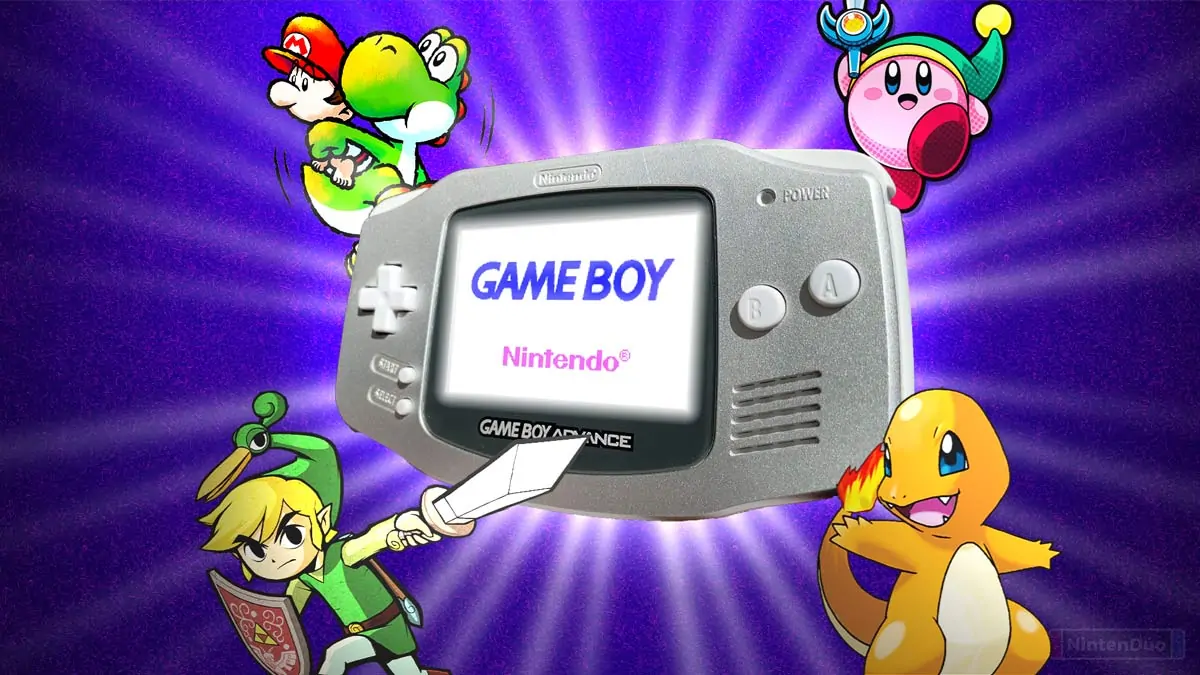
Two years of work later, it was ready. The final design was handled by French designer Gwénaël Nicolas and his Tokyo-based multidisciplinary studio Curiosity, a firm that worked across interior design, architecture, and product design. The result was the GBA’s iconic horizontal layout, a dramatic departure from every Game Boy that came before it.
The console launched in North America on June 11, 2001, and sold 500,000 units in its first week alone, making it the fastest-selling video game system in American history at the time. The hardware came in five colors at launch, Arctic, Black, Fuchsia, Glacier, and the iconic Indigo purple that most people picture when they think of the GBA.
Japan also got an exclusive Spice orange at launch, and Platinum Silver and Gold were added to the lineup later on, alongside a wave of limited Pokémon Center editions in colors like Suicune blue and Celebi green.
The backlight problem that defined a generation
For all its power, the original GBA had one infamous flaw: you could barely see the screen. CNET’s reviewer called it “nearly impossible” to play in normal lighting, and anyone who owned one knows exactly what that meant. Kids were tilting their handhelds at every angle, chasing stray light from windows and lamps just to see what was happening on screen. It was a shared ritual of the early 2000s that nobody who lived it will ever forget.
Nintendo addressed it in 2003 with the Game Boy Advance SP, a clamshell redesign with a rechargeable battery and a built-in light. The first version, the AGS-001, launched in Platinum Silver and Cobalt Blue, with Onyx added in Europe and Japan, and it featured a frontlit screen, an improvement, but the colors appeared washed out and the glow had a cold, dim quality.
The real fix came in September 2005 with the AGS-101, which replaced the frontlight with a true backlight. Even on its lowest brightness setting, the AGS-101 was brighter than the AGS-001 at full power. It came in Graphite, Pearl Pink, and Pearl Blue in North America, plus Toys R Us exclusive SpongeBob SquarePants and Pikachu editions, and it never made it to Japan, the frontlit model stayed on sale there until the end of production.
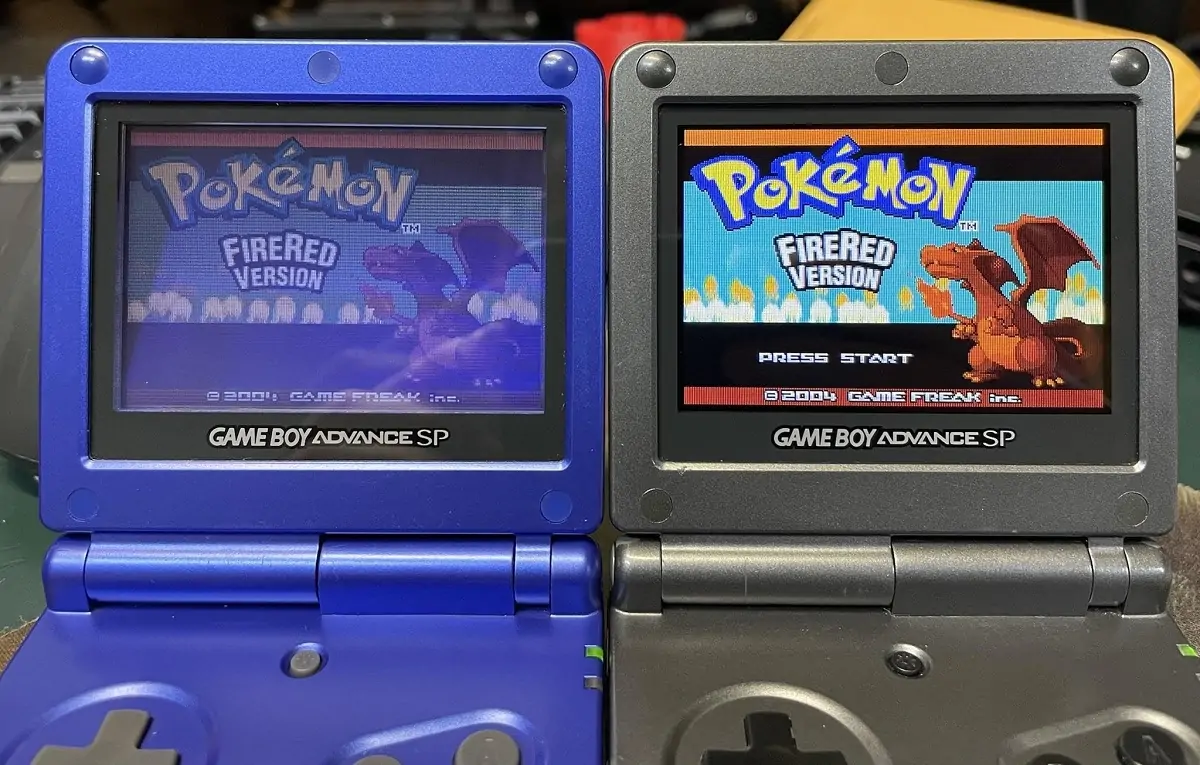
The quickest way to tell them apart: press the brightness button, and if the light shuts off completely, you have the AGS-001. If it just dims, you have the AGS-101. Over the SP’s lifespan, Nintendo released a collector’s dream of color variants including Charizard Fire Red, Torchic Orange, Venusaur Leaf Green, Groudon Red, Kyogre Blue, and Rayquaza Green.
The third and final version of the GBA family was the Game Boy Micro, launched in September 2005. Developed under the codename “Oxy,” the Micro measured just 101 × 50 × 17.2 mm and weighed about 80 grams, roughly the size of a thick credit card. Its 2-inch backlit screen with five adjustable brightness levels was the sharpest Nintendo had ever put on a handheld.
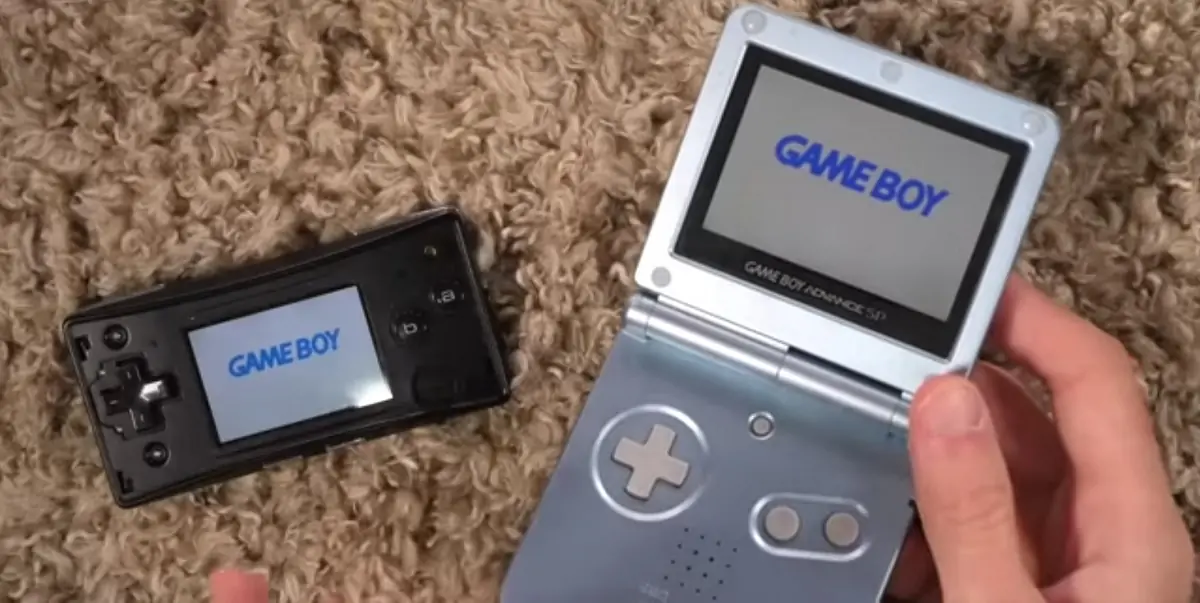
George Harrison, Nintendo of America’s Senior Vice President of Marketing, described it as made for “image-conscious folks who love video games, the ones who want the look of their system to be as cool as the games they play on it.” In the US and Canada, it launched in silver and black, each bundled with three interchangeable faceplates.
Japan got four base colors and a spectacular Famicom 20th Anniversary limited edition, while special versions tied to Final Fantasy IV, featuring faceplate artwork by Yoshitaka Amano, and a Mother 3 bundle followed in 2006. Despite all that style, the Micro sold just 2.42 million units worldwide before being discontinued in 2008.
Reggie Fils-Aimé, then Executive Vice President of Sales and Marketing at Nintendo of America, revealed in his book that he considered the Micro “a nonstarter” and that Nintendo of America was essentially “forced” to launch it, with the Nintendo DS already dominating the market and the AGS-101 SP hitting shelves at $20 less. Today, ironically, the Micro is one of the most coveted items in retro gaming collecting. It just took the world a while to catch up.
The 5 games that defined the platform
The GBA’s library is one of the strongest in handheld history, but five titles stand above the rest.
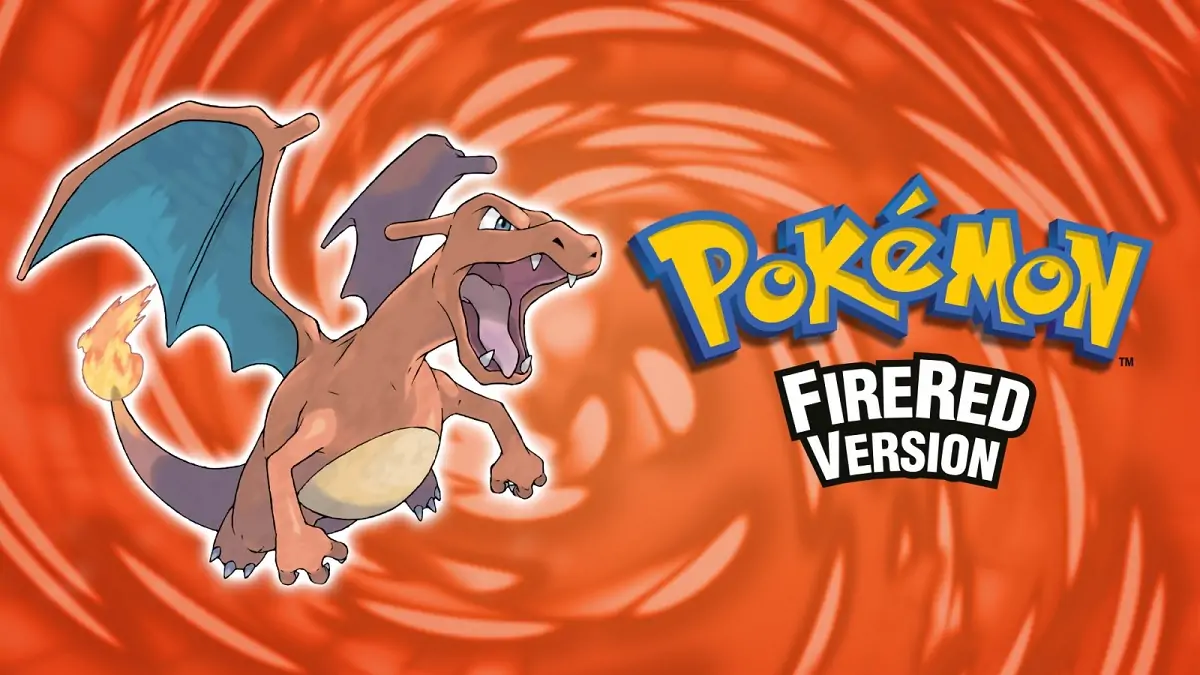
Pokémon FireRed and LeafGreen from 2004 are the crown jewels of the platform’s library. The series had already thrived on the GBA with Ruby, Sapphire, and Emerald, but these remakes of the Kanto originals gave an entire new generation their first real Pokémon experience.
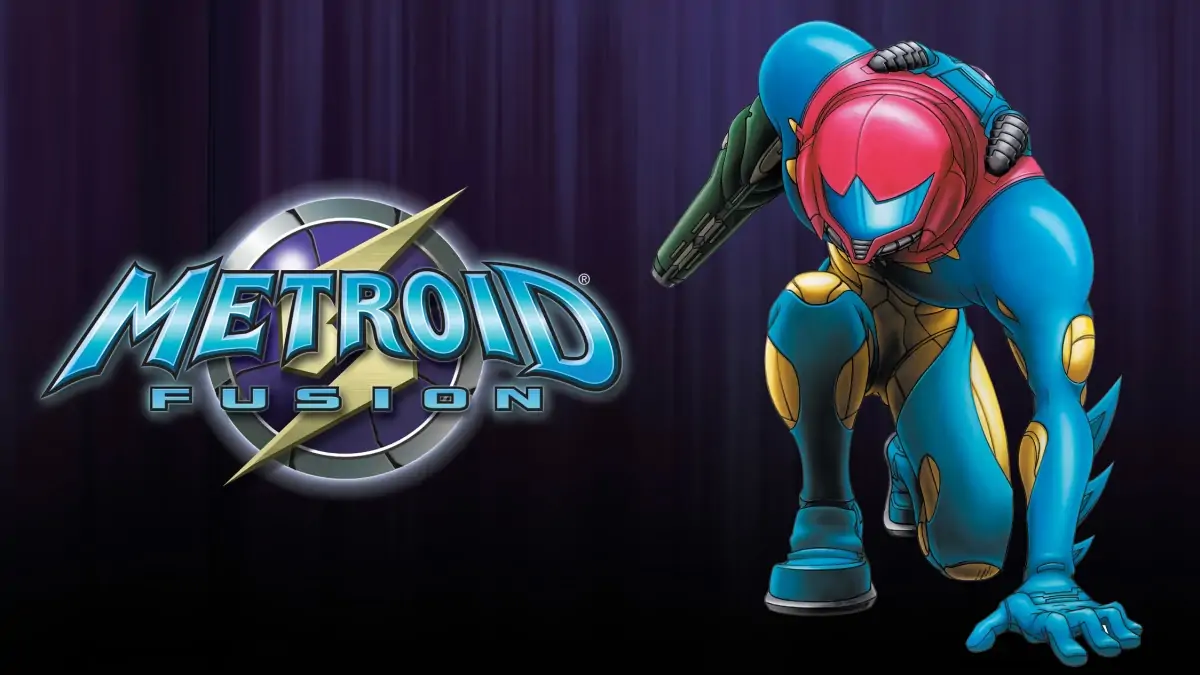
Metroid Fusion, released in November 2002, brought Samus back to 2D after an eight-year absence since Super Metroid, and introduced the SA-X, an X parasite that mimicked Samus herself and stalked you through a crumbling space station. Playing it on the original GBA’s dark screen while hiding from something that looked exactly like your character is a horror experience that still holds up.
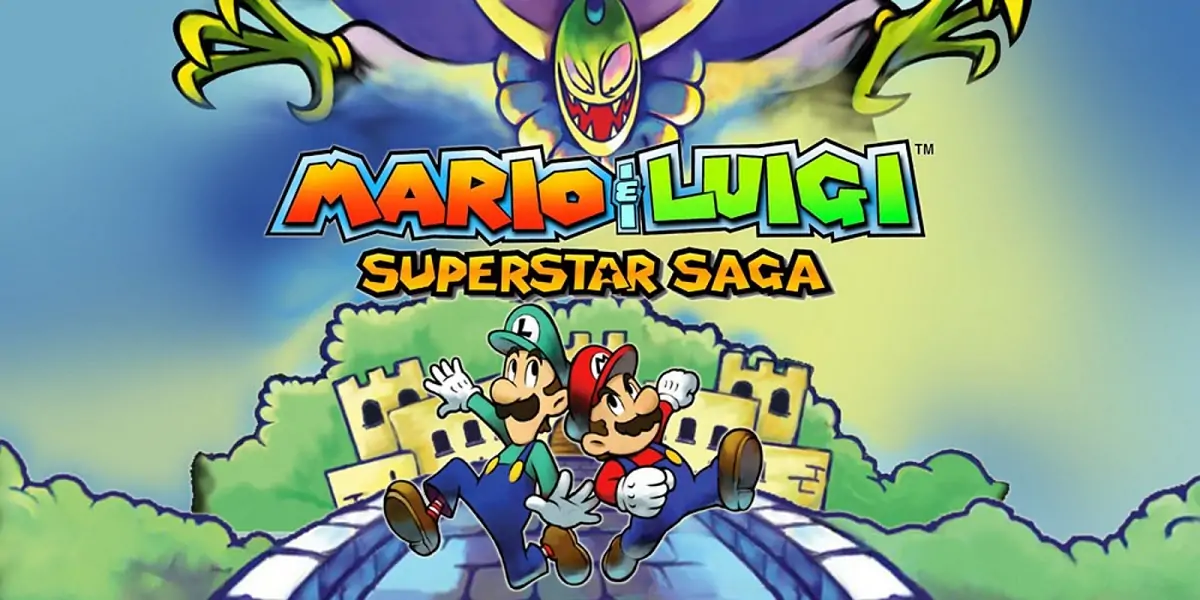
Mario and Luigi: Superstar Saga from 2003 is one of the most beloved RPGs Nintendo has ever made, consistently ranking at the top of GBA all-time lists for its sharp writing and inventive combat.
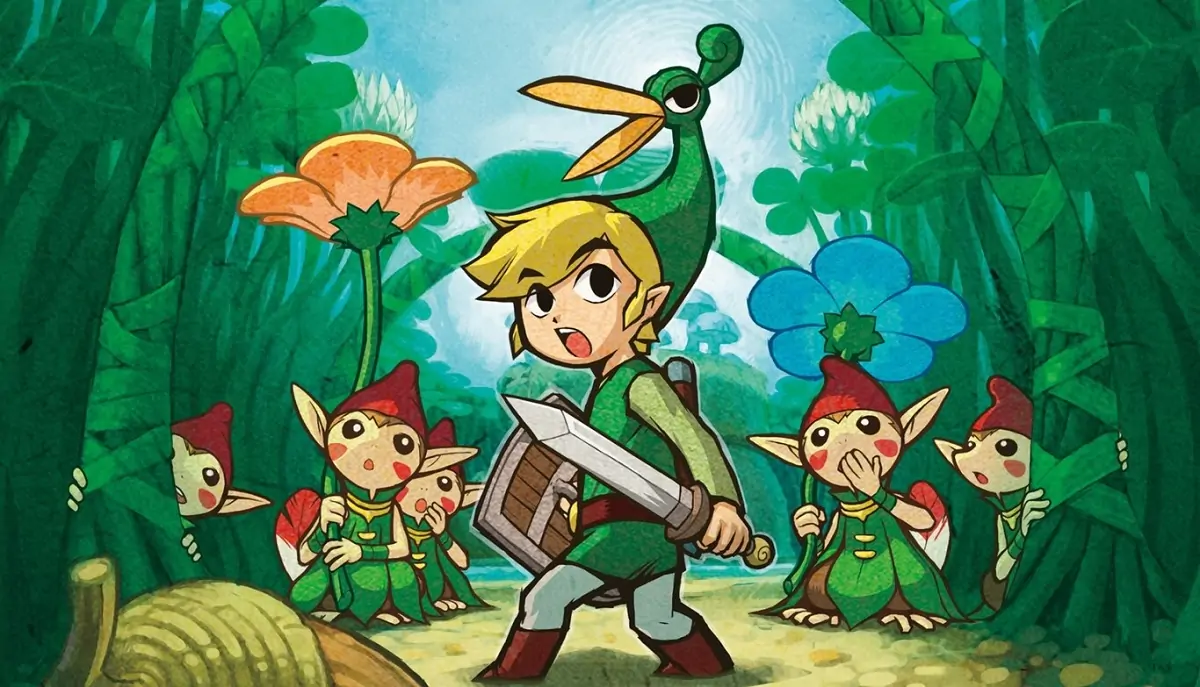
The Legend of Zelda: The Minish Cap from 2004 gave Link the ability to shrink down to Minish size, turning the overworld into a puzzle box and standing as the GBA’s definitive Zelda adventure.
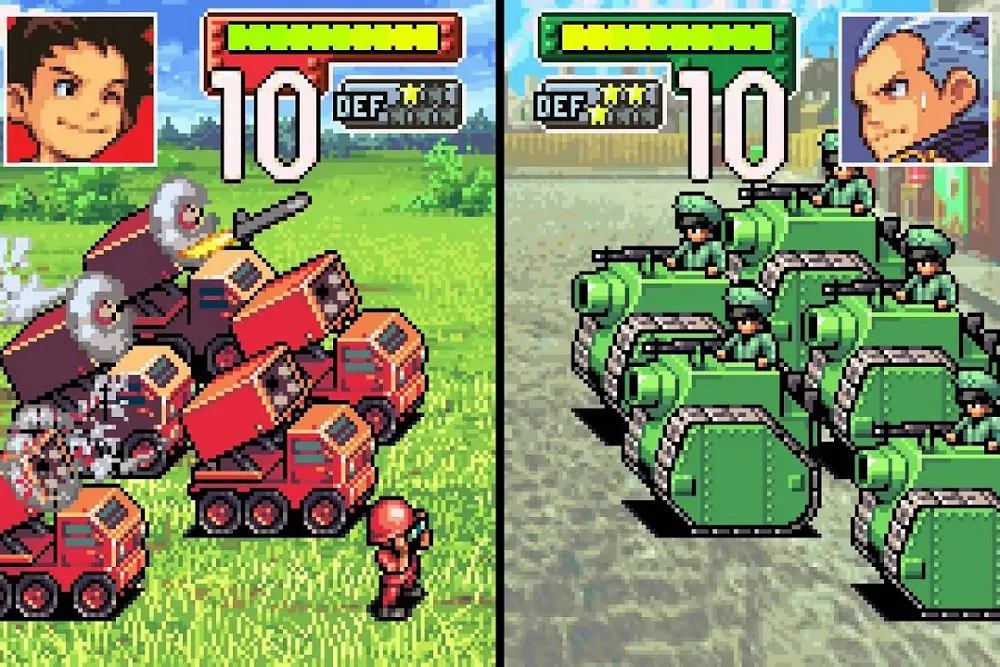
Advance Wars, released in September 2001 just months after the console’s launch, proved that a turn-based strategy game with cartoon graphics could be one of the most addictive things ever put on a handheld, it still holds a 92 on Metacritic to this day.
By the end of its commercial run, the entire Game Boy Advance series had sold 81.51 million units worldwide. Twenty-five years on, it remains a landmark in gaming history, a console that squeezed a Super Nintendo into your pocket, started a backlight war that shaped every handheld that followed, and left behind a library of games that people are still hunting down and playing today.
One fun final note: Shantae Advance: Risky Revolution, a GBA game originally planned for 2004, was officially released on cartridge in April 2025, meaning the platform technically got a new game last year.
Which version of the GBA was yours, the original, the SP, or the Micro? And what game defined your experience with it? Tell us in the comments!