



Video game music has evolved from simple electronic bleeps into one of the most influential art forms of the 21st century, with compositions now performed by world-class orchestras and streaming millions of times independently from gameplay.
The NES revolution changed everything
When Nintendo launched the NES in 1985, it brought the Ricoh RP2A03 sound chip capable of producing five audio channels: two pulse waves, one triangle wave, one noise generator, and a digital sample channel. Composers like Koji Kondo had to work within brutal limitations, only five sounds could play simultaneously, including sound effects.
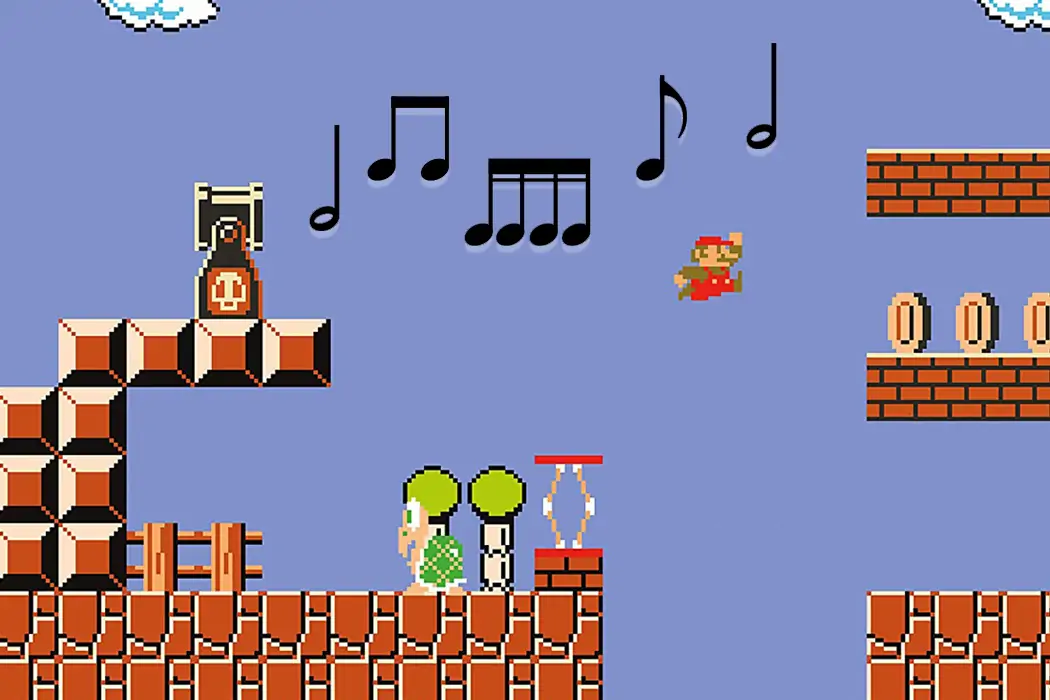
Super Mario Bros. became the proof of concept. Kondo’s “Overworld” theme synchronized with Mario’s movements, connecting gameplay to music in ways games had never done before.
The Legend of Zelda arrived in 1987 with adventurous themes that matched exploration and danger. The series continued this tradition with 1998’s Ocarina of Time, where Kondo composed 13 playable songs using only five notes. Tracks like “Song of Storms,” “Saria’s Song,” and “Epona’s Song” weren’t just music, they were gameplay mechanics. Players had to memorize melodies to progress, creating an unprecedented integration of music and interactivity.
The technical constraints of 8-bit hardware accidentally created a signature sound. With limited channels, composers couldn’t layer complex orchestrations, so melodies had to be instantly memorable. Games like Mega Man 2, Castlevania III, and Final Fantasy III pushed the NES sound chip to its absolute limits.
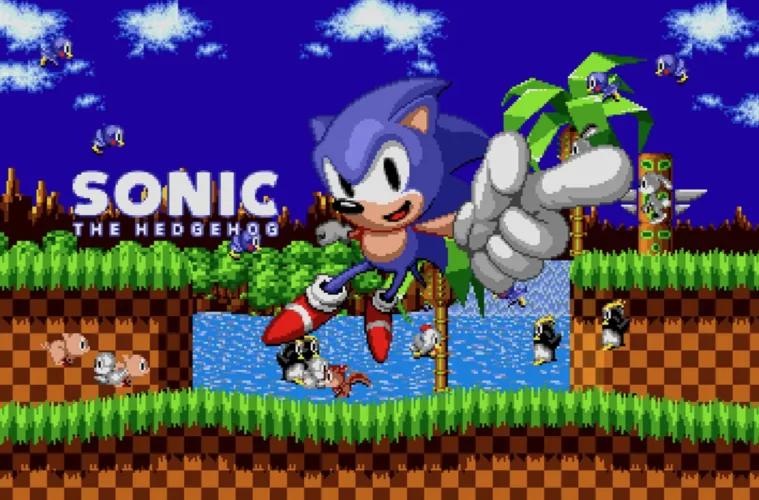
Sega’s Sonic the Hedgehog arrived in 1991 with music by Masato Nakamura of the J-pop band Dreams Come True. Nakamura composed tracks like “Green Hill Zone” and “Emerald Hill Zone” with cinematic flair despite the Genesis hardware limitations. He later recalled hearing English people in London humming his Sonic melodies, getting goosebumps from the realization that his game music had become global.
The CD era unleashed creative ambition
The jump to CD-based consoles in the mid-1990s demolished previous audio restrictions. The PlayStation could handle CD-quality audio with 24 sound channels. Final Fantasy VII arrived in 1997 with a four-hour soundtrack composed by Nobuo Uematsu.
The game’s music ranged from intimate piano pieces like “Aerith’s Theme” to the Latin choral rock opera “One-Winged Angel.” In 2012, “Aerith’s Theme” became the first video game composition ever voted into the UK’s Classic FM Hall of Fame at number 16.
Modern games balance emotion and technology
The Last of Us arrived in 2013 with composer Gustavo Santaolalla creating a sparse, haunting soundtrack using ronroco, banjo, and guitar. The team deliberately avoided horror-style music, instead aiming for genuine emotion.
Santaolalla sent director Neil Druckmann batches of themes for nearly three years, and the music inspired Druckmann to write new scenes for the game. The soundtrack topped the UK Soundtrack Albums Chart in July 2024, over a decade after its release.
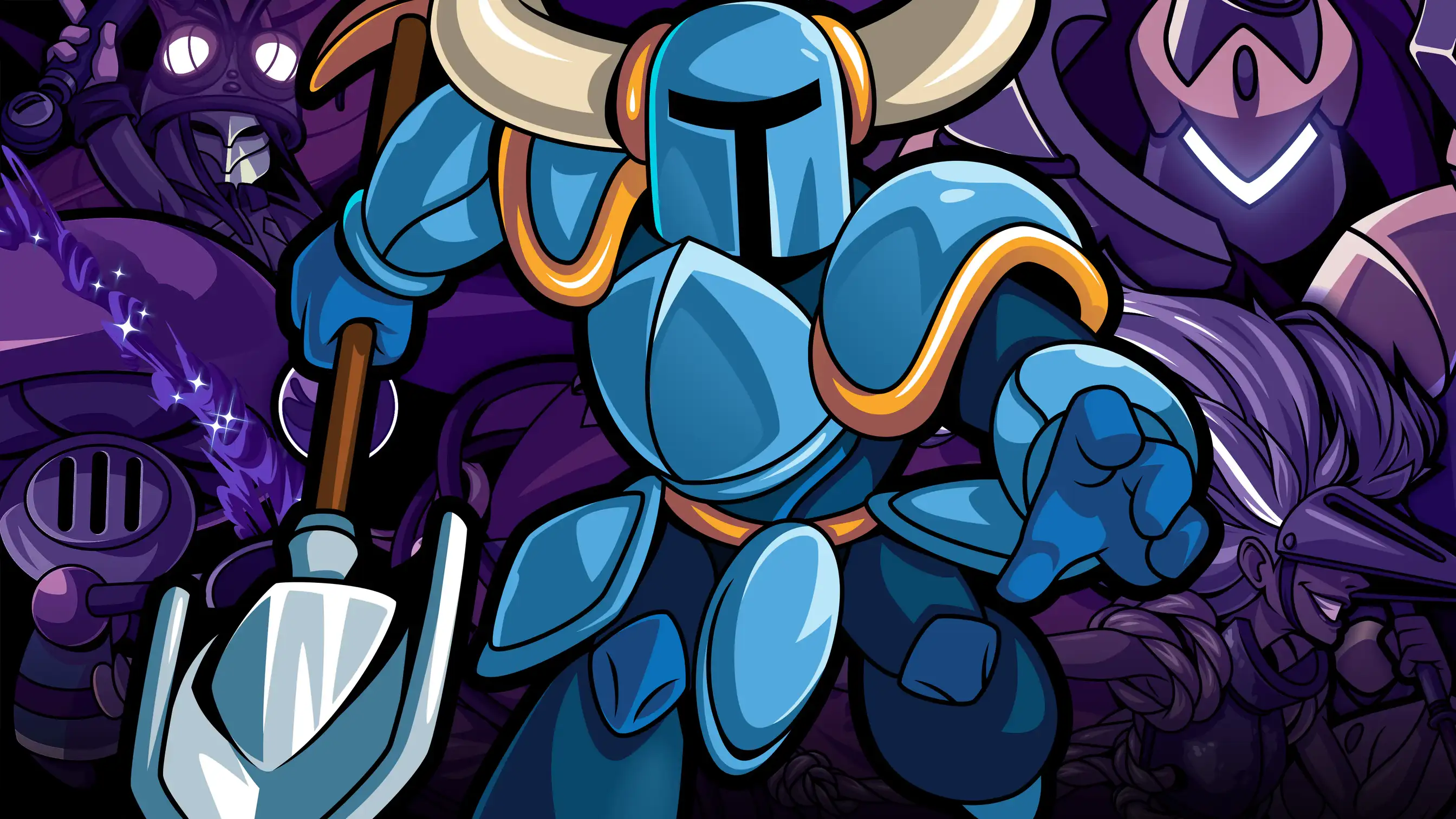
Modern games continue pushing boundaries while respecting their roots. Indie titles like Shovel Knight deliberately use chiptune-inspired soundtracks to evoke 8-bit nostalgia. Meanwhile, blockbuster franchises blend orchestral grandeur with interactive adaptive music that shifts in real-time based on player actions.
The influence of retro game music permeates modern culture. Chiptune as a genre has exploded since the mid-2000s. Artists like Beck, The Killers, Kesha, and Deadmau5 have incorporated 8-bit sounds into mainstream pop tracks.
Anamanaguchi literally uses a NES cartridge as a musical instrument. The bitpop movement samples Game Boy hardware directly, and synthwave borrows heavily from retro tones to evoke 1980s nostalgia.
Symphony orchestras now program video game music alongside traditional repertoires. The first major U.S. video game concert happened in 2004 at Walt Disney Concert Hall with the Los Angeles Philharmonic performing Final Fantasy music.
Tours like Distant Worlds, Sonic Symphony, and The Legend of Zelda concerts consistently pack venues globally. A 2025 survey revealed 52% of gamers would attend live orchestral performances of game music. Major ensembles regularly perform game soundtracks, recognizing this as legitimate art.
From Koji Kondo’s five-channel NES compositions to Nobuo Uematsu’s sweeping PlayStation symphonies to Gustavo Santaolalla’s intimate acoustic arrangements, video game music has become undeniable proof that interactive media stands alongside film and literature as legitimate art. The 8-bit bleeps that started it all didn’t just survive, they evolved, influenced mainstream culture, and continue inspiring new generations.
Want more deep dives into gaming culture and history? Follow Geek Realm Hub on X for daily updates and join the conversation with fellow gamers!