



PlayStation 6 and the next Xbox console, internally codenamed Magnus, could face significant launch delays as executives at Sony and Microsoft grapple with skyrocketing RAM prices driven by the artificial intelligence sector’s aggressive market takeover. Tom Henderson of Insider-Gaming reported that industry sources indicate mounting concern at the highest levels of both companies over the RAM shortage, which shows no signs of stabilizing through 2026 and threatens to push next-generation console launches from their anticipated 2027 window to 2028 or later.
While neither Sony nor Microsoft has officially announced release dates for their next-generation hardware, industry expectations had pointed to a 2027 arrival for both platforms. However, the current generation’s struggles with pandemic-era semiconductor shortages, manufacturing bottlenecks, inflation and tariffs now pale in comparison to the challenges posed by AI companies monopolizing RAM and DRAM production. According to Henderson’s sources, executives at both PlayStation and Xbox divisions face difficulties securing memory components in sufficient volume for mass production at competitive price points, and specialists warn the phenomenon will continue throughout 2026.
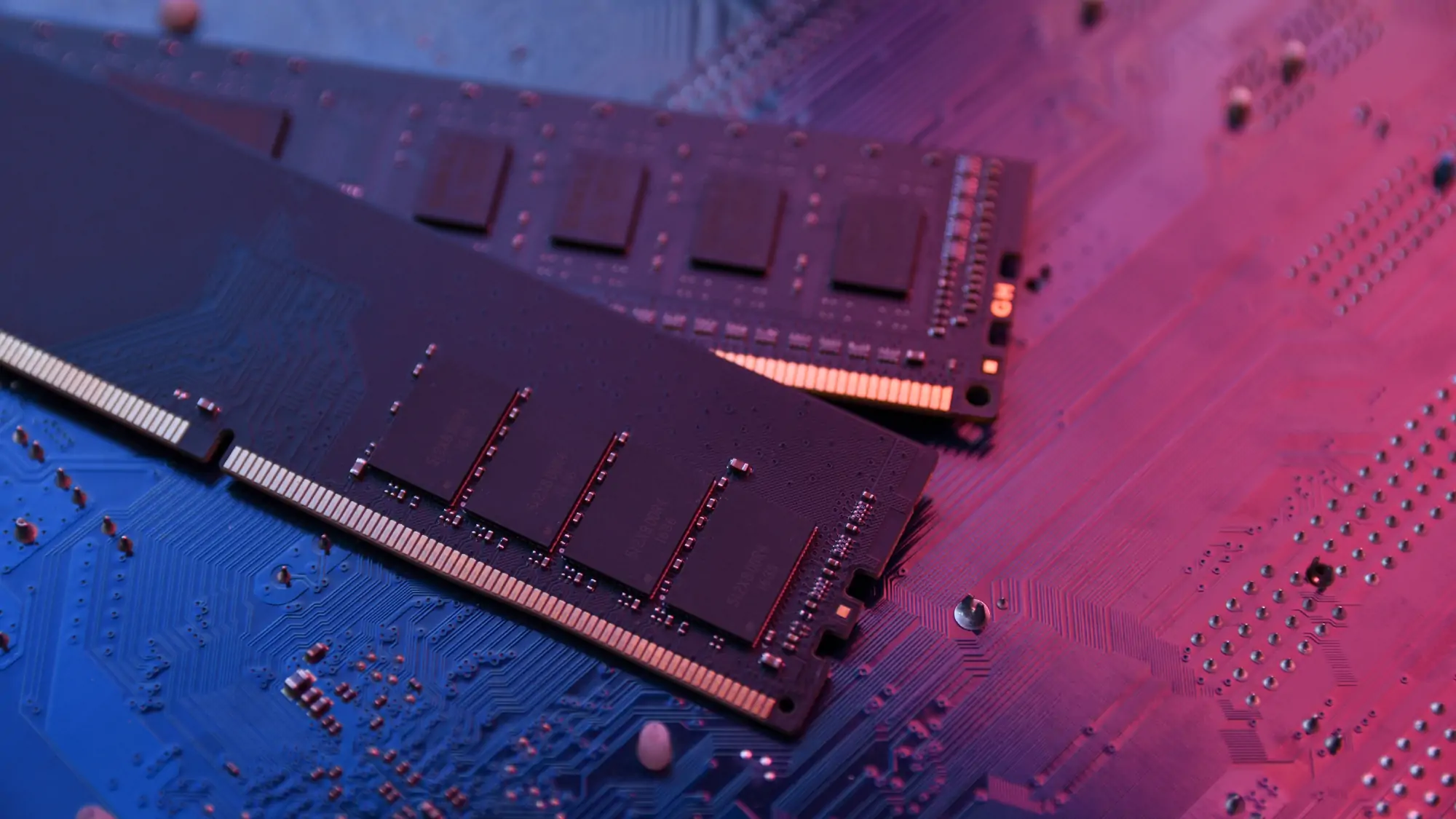
AI infrastructure consuming 40% of global RAM production
The RAM crisis traces directly to the rapid expansion of AI data centers. OpenAI’s recently approved Stargate initiative, a $500 billion AI infrastructure project based in the United States, secured 40% of worldwide RAM production exclusively for its operations. Microsoft’s partnership with OpenAI means the tech giant is indirectly complicit in the supply chain squeeze affecting its own Xbox division. The remaining 60% of global RAM production must now be divided among other AI companies, personal computer manufacturers, laptop producers and console makers, creating an unprecedented supply crunch.
The situation has already forced industry-wide adaptations. Laptop manufacturers shifted to offering devices with just 8GB of RAM to maintain stable market pricing. Micron shuttered its Crucial brand entirely and ceased selling RAM to end users, opting instead to supply exclusively to AI businesses where demand and profit potential dwarf consumer markets. Nintendo’s stock price recently dropped as investor expectations for the Switch 2 dimmed in light of the memory shortage.
Current-gen production already impacted
Sony and Microsoft are already feeling the pressure on PlayStation 5 and Xbox Series X|S production, as rising RAM costs force both companies to absorb higher component expenses with no relief expected in the short or medium term. While financing large-scale RAM purchases remains an option, Henderson’s sources indicate neither Sony nor Microsoft are willing to commit significant capital to secure memory at inflated prices. Instead, both companies appear prepared to wait for market conditions to stabilize naturally, even if that means delaying their next-generation console launches beyond 2028.
The next console generation has yet to officially escape the shadow of its predecessor’s troubled launch cycle, and the AI-driven RAM crisis suggests that shadow may extend well into the second half of the decade.
Want to stay updated on the latest gaming industry news? Follow Geek Realm Hub on X for daily updates!