



Reddit user kromz thought sending his brand-new NVIDIA RTX 5090 back to ASUS for warranty repair would be straightforward. Instead, he got slapped with a $4,661 CAD invoice, roughly $3,340 USD, for what he insists is a manufacturing defect. And ASUS isn’t backing down.
The drama kicked off when kromz noticed his ROG Astral GeForce RTX 5090 was acting up: random black screens, unexpected reboots, the whole nightmare scenario when you’re running one of the most powerful graphics cards on the market.
After ruling out every other component in his rig, the culprit became clear, his flagship GPU was the problem. He documented everything with photos before shipping it off to ASUS, figuring the company would honor the warranty on their premium $3,299 product.
ASUS had other plans. They came back claiming “customer-induced damage” after finding a crack near the PCIe locking tab, one so small it’s only visible under a microscope, and denied the warranty claim entirely.
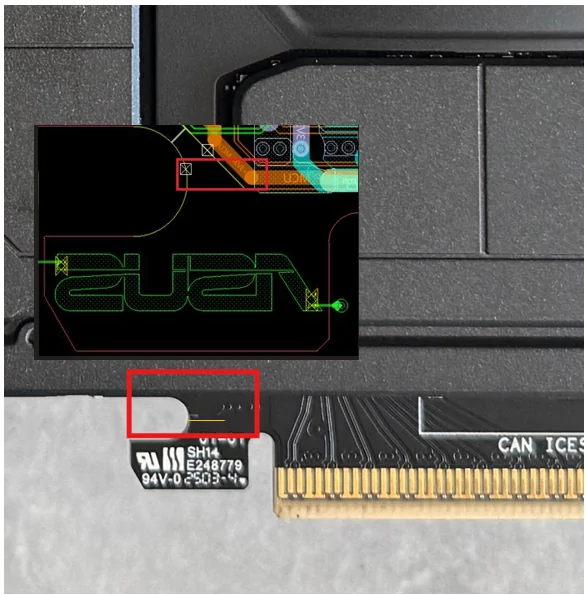
Even after kromz appealed with his pre-shipment evidence showing no visible damage, ASUS wouldn’t budge.
The best deal he managed to squeeze out of them after months of back-and-forths with customer service? A 50% discount from supervisor Peggy Lee, bringing the total down to around $2,330 CAD. Still more expensive than buying some brand-new mid-range cards.
When premium hardware cracks under its own mass
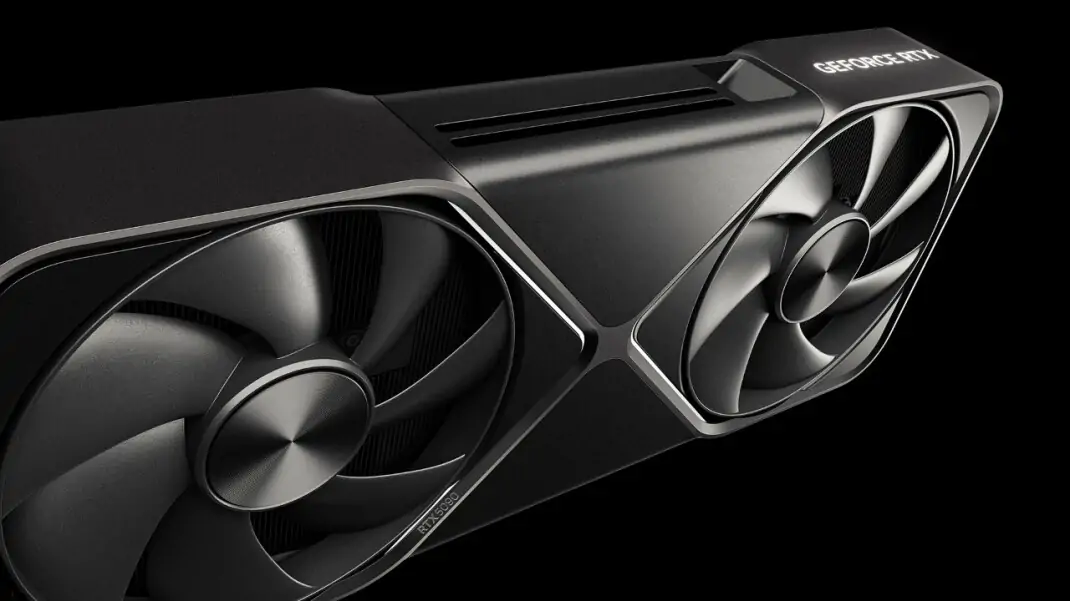
Here’s where it gets interesting. The ROG Astral GeForce RTX 5090 isn’t just any graphics card, it’s a 6.6-pound beast of silicon and metal that launched in late January 2025.
That’s a lot of weight hanging off your motherboard’s PCIe slot, and kromz argues that’s exactly what caused the structural crack. According to him, this isn’t user error, it’s a fundamental design flaw where all that mass is supported by a single stress point on the PCB.
The PC enthusiast community has largely rallied behind kromz on this one. He claims he installed the card with the included support bracket and never moved his system afterward, yet the crack still appeared.
When your flagship product develops structural damage under normal use conditions, that raises serious questions about engineering choices. Graphics cards have been getting bigger and heavier with each generation, and this isn’t even the first time, Gigabyte cards had similar PCB cracking issues a few years back.
ASUS maintains their position that the damage was externally caused, but kromz isn’t backing down. He’s still pushing for a resolution that doesn’t involve paying thousands for what should’ve been covered under warranty.
The community’s watching closely, because if a microscopic crack invisible to the naked eye is enough to void your warranty on a $3,300 card, that’s setting a pretty concerning precedent for everyone.
Stay plugged into all things geek at Geek Realm Hub and follow us on Facebook for the latest tech drama and gaming news!