



In Zelda II: The Adventure of Link, players encounter a recurring scene that’s raised eyebrows for decades. A woman in red appears outside her home in each town, beckoning Link inside. The door closes, and moments later, Link’s health bar begins to refill. The scenario leaves plenty to the imagination, and recently, one Reddit user finally asked what many have wondered: was this intentionally suggestive?
In Zelda 2, a woman appears in each town, beckoning Link into her home. They disappear inside and Link’s health begins to refill.
One reddit user recently asked if this scene was *intentionally* suggestive. While that seems very unlikely, I thought I’d look into it. pic.twitter.com/Se2FvqHgQH— MrTalida (@MrTalida) December 28, 2025
The question sparked an interesting investigation by @MrTalida on X, who decided to dig through old gaming magazines to find answers. What he discovered adds a fascinating layer to this nearly 40-year-old mystery.
The evidence from 1986
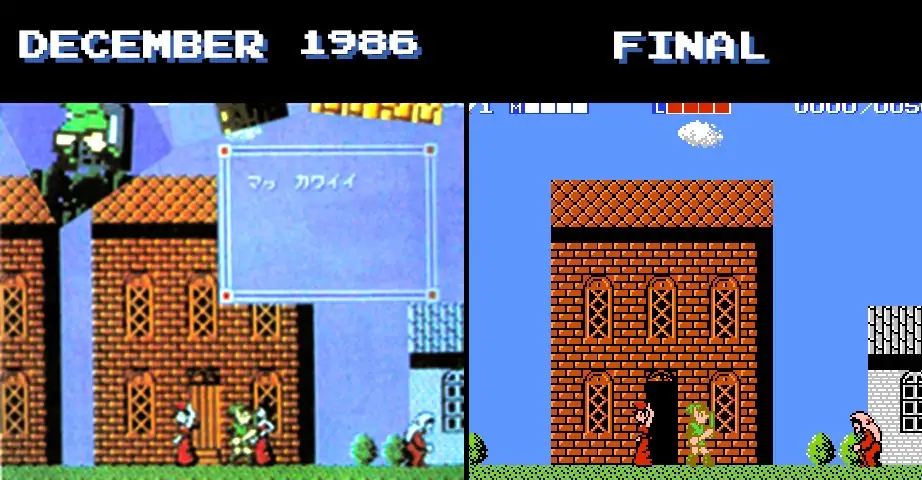
The key clue comes from a December 1986 Famitsu preview showcasing early screenshots of Zelda II before its official release. In these images, an NPC who appears visually identical to the game’s healer stands by a locked door that doesn’t exist in the final version. But here’s where things get interesting: her dialogue bubble reads “マッ カワイイ” which translates to “Super cute!”
This is drastically different from the final game’s healer dialogue, which simply reads “チョット ヨッテ イカナイ?” or “Why not stop by?” in Japanese. The English localization took it even further with “Please let me help you. Come inside,” which some might argue sounds even more inviting.
Confirming the cut content
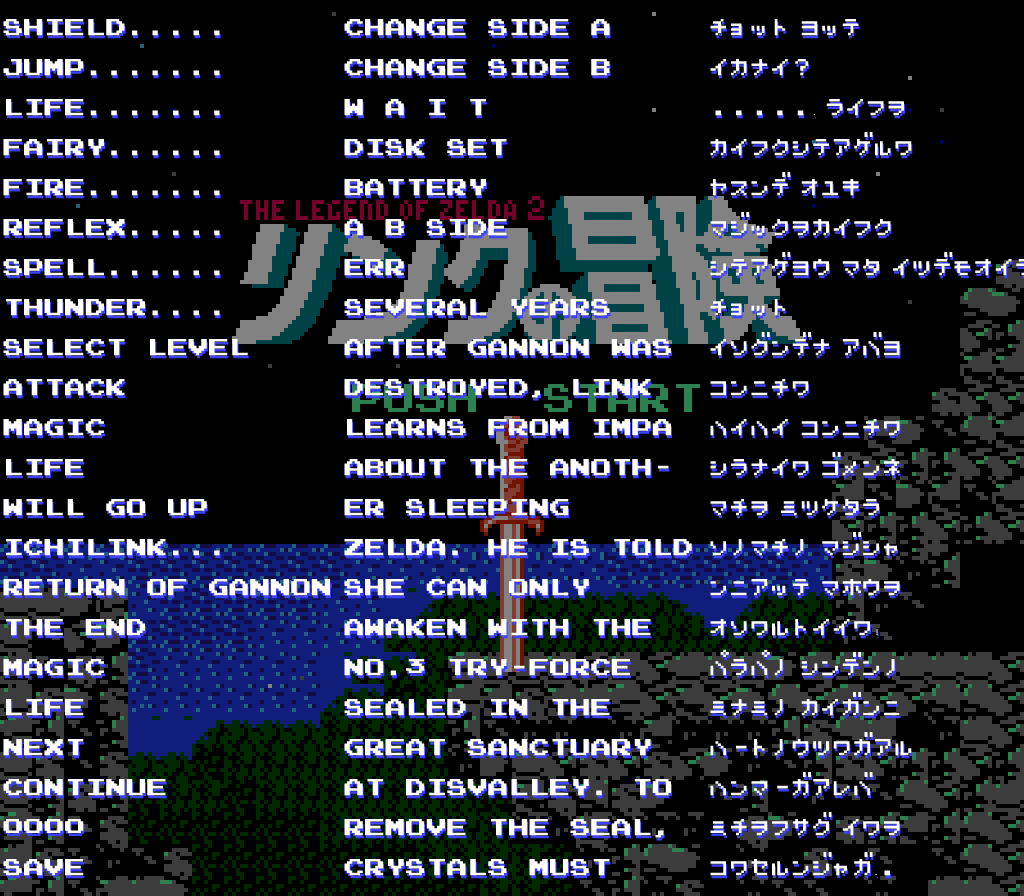
To verify this wasn’t just a misprint or anomaly, @MrTalida extracted all text from both the Japanese and English ROMs of Zelda II. After uploading the complete script to the Internet Archive, he confirmed that the “super cute!” line was completely removed from the final release. The healer women in every town use the more neutral “stop by” invitation instead.
The implications are pretty clear. If this early Famitsu NPC was indeed a prototype for the healer mechanic, the original interaction may have been explicitly flirtatious, with the woman commenting on Link’s appearance before things got toned down for release. Whether Nintendo made this change to keep things family-friendly or simply decided the dialogue didn’t fit the game’s tone remains unknown.
What we do know is that players have debated this scene since 1987. The healing ladies appear in almost every town throughout the game, wearing red dresses and approaching Link whenever he’s nearby. In a game where health recovery options are limited compared to the original Legend of Zelda, these encounters became essential pit stops during Link’s quest to awaken Princess Zelda from her curse.
The community continues to find this discovery fascinating, as it offers a rare glimpse into how Nintendo’s development process worked during the NES era. Game design was evolving rapidly, and what might have seemed acceptable in early development could change significantly before release.
Ready for more retro gaming discoveries and geek culture deep dives? Follow Geek Realm Hub on X and join our community of nostalgic gamers uncovering gaming’s hidden history!