


On April 23, Xbox CEO Asha Sharma sent an internal memo to the entire global team with a message that nobody saw coming, or maybe everybody did. The memo was titled “We Are Xbox,” and with it, Microsoft officially buried the “Microsoft Gaming” name it had been using since 2022.
Four years after rebranding its gaming division to distance itself from the Xbox identity, the company is going back to where it started. New logo, new slogan, same green, and for the first time in a long time, a sense that someone at the top actually has a plan.
The name change is not cosmetic. Sharma co-wrote the memo with chief content officer Matt Booty, and the two were blunt about the state of things. New features on console have been arriving too slowly. Xbox’s presence on PC is not strong enough. Pricing has gotten harder for players to keep up with.
Core experiences like search, discovery, social features, and personalization still feel too fragmented. It is rare for a division of Microsoft’s size to publish that kind of self-diagnosis publicly, and that alone signals something different about this leadership team.
The “Microsoft Gaming” umbrella had been introduced in 2022 alongside Microsoft’s bid to acquire Activision Blizzard, representing a push toward a platform-agnostic model built around cloud gaming and mobile. That strategy faced internal resistance and failed to reverse declining hardware revenue.
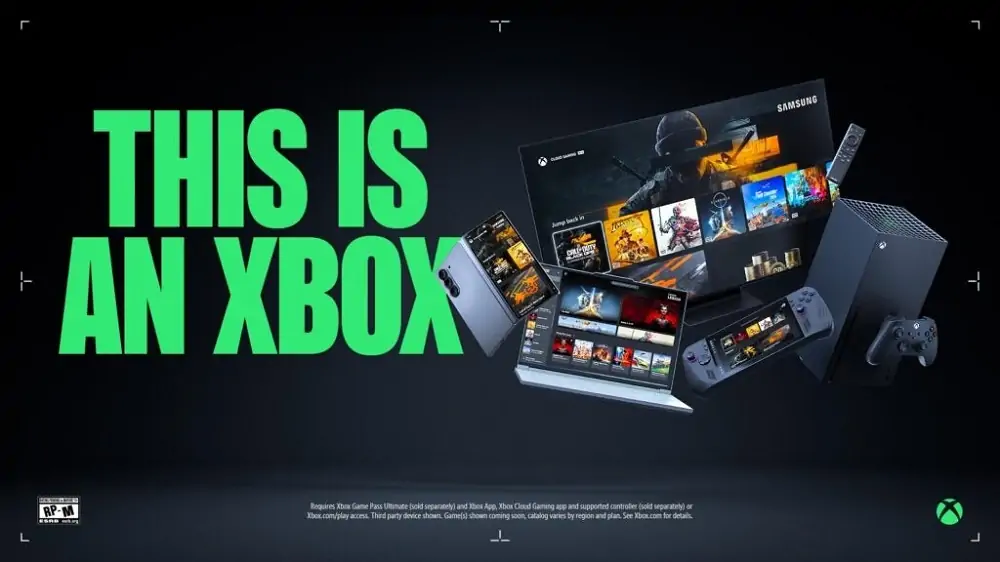
Campaigns like “This Is an Xbox” confused more players than they convinced, and the brand quietly lost the clear identity that had made it relevant for two decades. Sharma’s memo draws a direct line between the old name and that confusion: “Microsoft Gaming describes our structure but it does not describe our ambition.”
Concrete changes already on the table
The rebranding came alongside moves that players can feel immediately. On April 21, just two days before the memo dropped, Microsoft cut the price of Xbox Game Pass Ultimate from $29.99 to $22.99 per month, and PC Game Pass from $16.49 to $13.99.
Sharma had already called Game Pass “too expensive” in a previous interview, and the price cut followed through on that. The tradeoff is that future Call of Duty titles will no longer be available on Game Pass at launch, they will arrive on the service approximately one year after their release date instead.
The four priorities Sharma and Booty laid out for the division going forward are hardware, content, experience, and services, with daily active players as the new north star for measuring success. The memo also confirmed that Xbox is reevaluating its approach to exclusivity, windowing, and AI, three areas that have generated the most frustration among the Xbox community in recent years.
On the hardware side, Microsoft confirmed at GDC in March 2026 that its next-generation console, codenamed Project Helix, is deep in development with AMD, focusing on advanced rendering, simulation, and FSR Next technology.
The exclusives question and what this means for the industry
The part of Sharma’s memo that immediately caught fire online was the word “exclusivity.” For years, Xbox had been releasing its first-party titles on rival platforms, including PlayStation 5 and PC, as part of a strategy designed to increase margins.
Forza Horizon 5, for example, reportedly generated over $300 million in revenue after launching on PS5 in April 2025, crossing five million copies sold on Sony’s platform alone. Sea of Thieves also performed well. The money was real, but so was the cost: players lost one of the clearest reasons to own an Xbox console.
Sharma has not committed to bringing exclusives back yet, and she has been transparent about why. Speaking to Game File, she said she wants to make “the right decision, not the fastest decision,” describing whatever course the company takes as “long-swinging decisions that have decade-long impact.”
Her approach will be data-driven and strategy-driven, with final calls shared once the team is ready. One insider has gone as far as saying exclusives are “absolutely not happening” for Project Helix, but Sharma has not confirmed or denied that, the reevaluation is still ongoing.
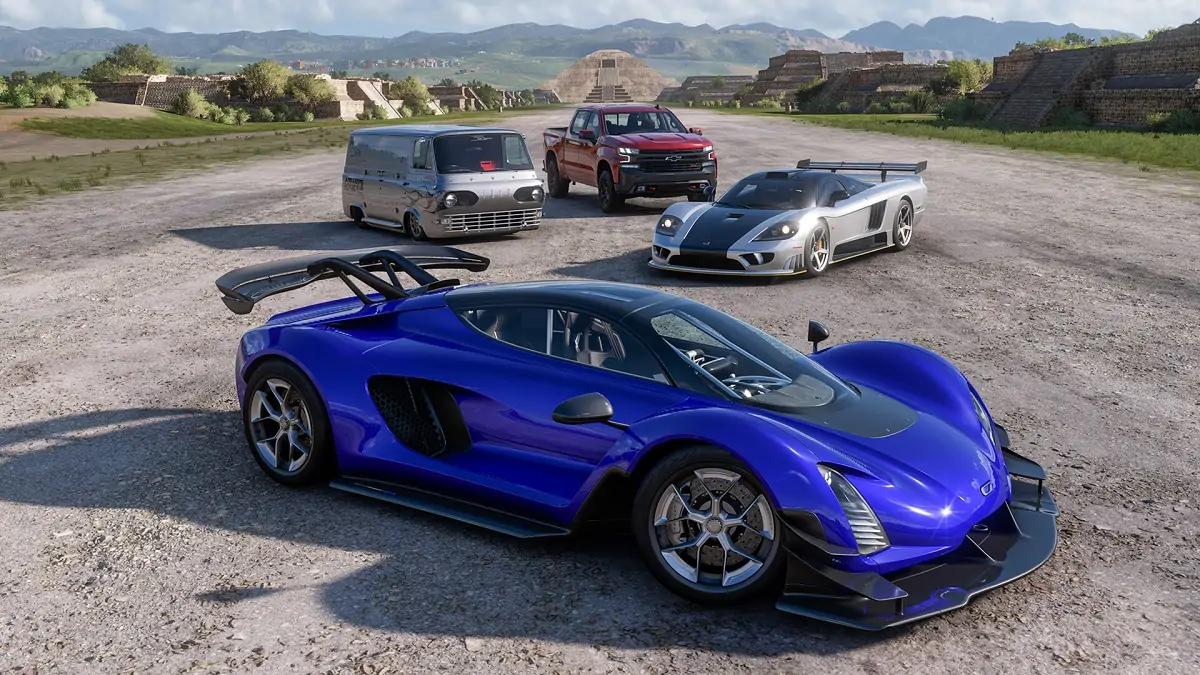
What is confirmed is that the 2026 first-party lineup is already stacked. Forza Horizon 6, the Fable reboot, Halo: Campaign Evolved, and Gears of War: E-Day are all on track to launch into Xbox Game Pass Ultimate this year. That is four major franchise titles in a single calendar year, something Xbox has not managed in a long time. If the exclusives question gets resolved in favor of platform identity, that lineup becomes a genuine reason to own an Xbox again.
For the broader gaming industry, a reinvigorated Xbox matters beyond brand loyalty. Competition between platforms has historically pushed all of them to improve, better pricing, better services, better games. When one platform loses its identity and stops competing seriously, the others have less pressure to innovate. Sharma’s reset, whether or not it fully delivers, puts Xbox back in the conversation as a real contender, and that is good news for every player regardless of what console they own.
The green is back. The name is back. And for the first time in years, Xbox sounds like it knows exactly what it wants to be.
Is the Xbox comeback real this time, or do they still have a lot to prove? Tell us what you think in the comments.