



In a case that serves as a cautionary tale about the limits of online bravado, content creator Jesse Keighin, who goes by “Every Game Guru” on social media, has learned an expensive lesson about copyright infringement. The streamer now faces a $17,500 penalty after losing a lawsuit filed by Nintendo, marking the end of a legal saga fueled by defiance and questionable judgment.
The rise and fall of a defiant streamer
Keighin’s troubles began with what might be considered the ultimate taboo in gaming: streaming pirated Nintendo Switch games before their official release dates. According to court documents, the content creator broadcast at least 10 leaked Nintendo titles across more than 50 separate streams, giving viewers early access to games that hadn’t yet reached legitimate consumers.
What makes this case particularly striking isn’t just the scale of the infringement, it’s the brazen attitude that accompanied it. When Nintendo attempted to resolve the matter through traditional channels, sending cease-and-desist notices via email and physical letters to Keighin’s mother, grandmother, and partner, the streamer chose a path that would prove costly: complete radio silence mixed with public taunting.
Playing with fire
Rather than acknowledging Nintendo’s warnings, Keighin doubled down with provocative social media posts. Messages directed at the gaming giant included boasts like “I can do this [stream pirated games] all day” and the particularly audacious claim: “You should have investigated me more. Maybe you control a corporation, but I control the streets.” These statements, as reported by TorrentFreak, painted a picture of someone who either didn’t understand the gravity of the situation or simply didn’t care.
The consequences of this approach became inevitable. With Keighin failing to respond to legal proceedings or mount any defense in court, the jury had little choice but to issue a default judgment against him.
Breaking down the damages
The $17,500 penalty might seem modest compared to multi-million-dollar settlements Nintendo has secured in other piracy cases, but there’s method behind the calculation. The figure breaks down into two components:
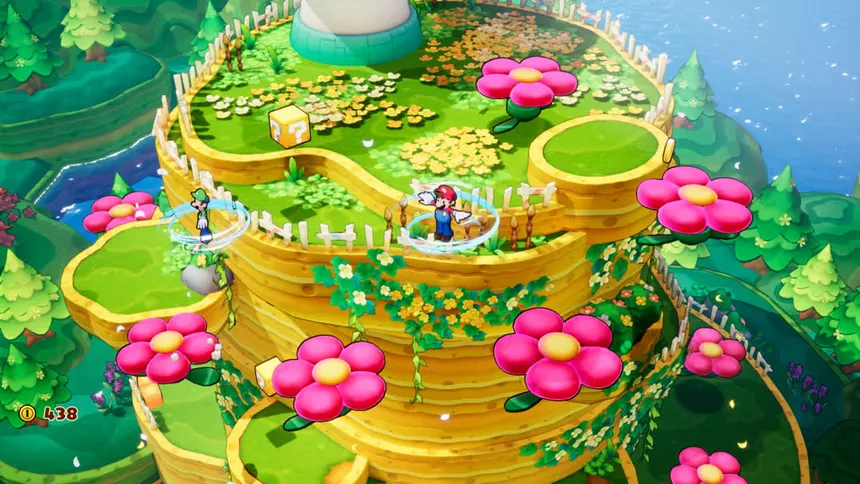
- $10,000 for the final violation, streaming Mario & Luigi: Brothership before its official launch
- $7,500 (calculated as $500 multiplied by 15 instances) for repeatedly circumventing anti-piracy measures
Nintendo’s legal team emphasized the reasonableness of their request, noting that $10,000 was appropriate given “the defendant’s blatant streaming of Nintendo’s video games before any ordinary consumer had legal access to them.” Remarkably, the company chose not to pursue damages for the other nine games they had proven were illegally streamed, suggesting a strategy focused on establishing precedent rather than maximum financial punishment.
What nintendo didn’t get
Despite securing the financial penalty, not all of Nintendo’s requests were granted. The judge rejected two additional demands:
- Device destruction: Nintendo sought to have all anti-piracy circumvention devices used by Keighin destroyed. The judge deemed this request “unclear” and “unreasonable.”
- Third-party liability: The company wanted the court order to extend to third parties who worked with the streamer. This was denied because Nintendo failed to specify which individuals should face consequences for Keighin’s actions.
These denials suggest that while the court recognized the legitimacy of Nintendo’s copyright claims, there were limits to how far judicial authority would extend in enforcement.
A broader message
This case stands as a stark reminder that internet fame and social media confidence offer no protection against intellectual property law. Keighin’s journey from defiant streamer to defendant serves as a modern cautionary tale: the perceived anonymity and freedom of online platforms can create a false sense of invincibility.
For content creators in the gaming space, the message is clear: early access to unreleased games through illegal means isn’t just unethical, it’s legally actionable. And when a major corporation like Nintendo comes knocking with cease-and-desist letters, ignoring them while posting taunts on social media is perhaps the worst possible strategy.
In the end, Jesse Keighin’s attempt to “control the streets” collided with the reality that Nintendo very much controls its intellectual property, and has the legal resources to prove it.