



When Christopher Nolan sat down to craft The Dark Knight’s iconic opening bank robbery, he didn’t just want another superhero sequence. He wanted something grounded, visceral, and undeniably cinematic. His secret weapon? Michael Mann’s 1995 crime masterpiece, Heat.
Nolan has never been shy about his admiration for Mann’s work. During a 2023 interview with Konbini, while casually flipping through DVDs with Cillian Murphy, Nolan picked up Heat and called it an “absolute classic”, adding with a grin that he’d been “ripping it off” for years. The influence on The Dark Knight wasn’t subtle, it was fundamental to the film’s DNA.
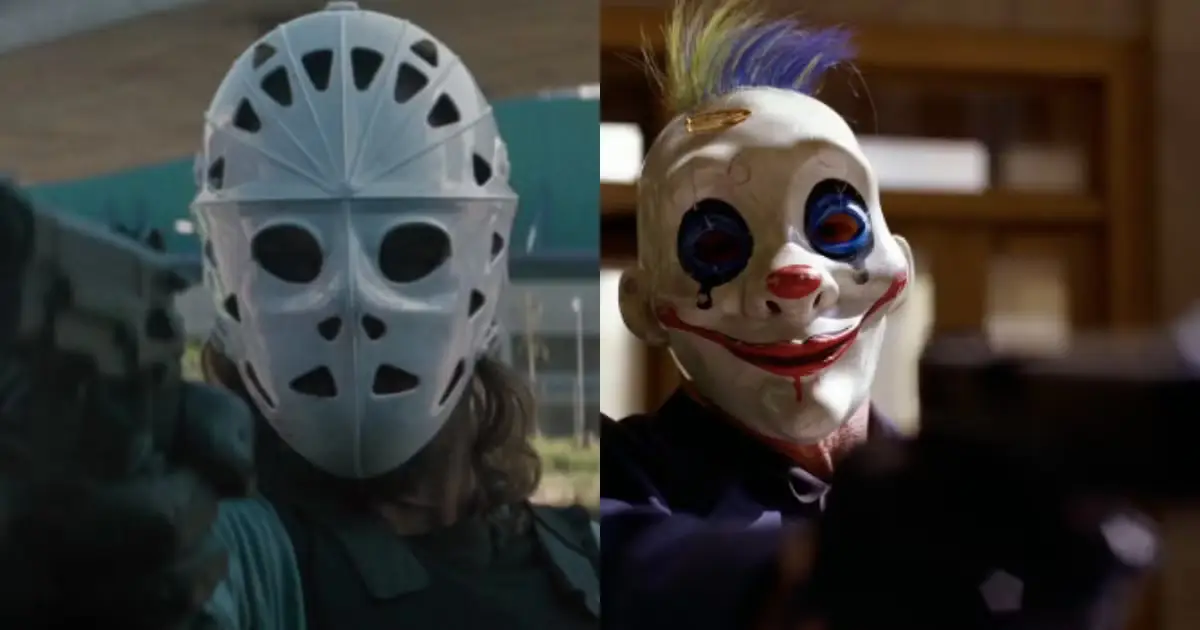
The bank robbery blueprint
The parallels between Heat’s legendary heist sequence and The Joker’s opening gambit are impossible to miss. From the clown masks to the methodical pacing, Nolan borrowed Mann’s playbook and ran with it. Even the casting echoed this homage, William Fichtner, who appeared in Heat, shows up in The Dark Knight as the gutsy bank employee who stands up to the Joker’s crew. That’s not coincidence; that’s Nolan tipping his hat to his inspiration.
What makes this connection fascinating is how Nolan adapted Mann’s realistic crime aesthetics to elevate a comic book film. He used IMAX cameras for the opening sequence, giving audiences sweeping aerial shots of Chicago standing in for Gotham. Those breathtaking visuals weren’t just eye candy, they were Nolan’s way of making his city feel as epic and alive as Mann’s Los Angeles in Heat.
View this post on Instagram
Making Gotham feel real
Nolan’s ambitions went beyond just copying cool shots. In interviews for The Nolan Variations book, he explained that after Batman Begins established Gotham’s scope, he needed a different approach for the sequel. Rather than going bigger geographically, he looked at how Heat transformed Los Angeles into a character itself. Nolan even screened Heat for his entire crew before production, telling them this would be their north star.
The director wanted Gotham to pulse with the same energy Mann gave LA, real streets, towering buildings captured in IMAX glory, and an antagonist who could disrupt the city’s very fabric. As Nolan put it, using those massive IMAX cameras meant the Joker simply walking down the street would become “a huge image.” Mission accomplished.
But the Heat influence didn’t stop at the opening heist. Sharp-eyed viewers have spotted visual echoes throughout the film: the hospital explosion mirrors an ambulance detonation in Heat, rooftop conversations between characters feel composed similarly to scenes with De Niro and Amy Brenneman, and that unforgettable interrogation between Batman and the Joker carries the same cat-and-mouse tension as the diner scene between Al Pacino and De Niro.
Nolan even drew from other Michael Mann films like Collateral, The Insider, and L.A. Takedown. It’s a masterclass in how great filmmakers stand on the shoulders of giants while still creating something uniquely their own. The Dark Knight doesn’t feel like Heat in spandex, it feels like Nolan synthesized Mann’s crime thriller DNA with superhero mythology to create something entirely new.
Want more deep dives into your favorite films and geeky goodness? Follow Geek Realm Hub on Facebook for fresh content that’ll fuel your next watch party!