



If there’s one thing Windows users can agree on, it’s that Task Manager is basically a superhero. Frozen app? Task Manager to the rescue. Computer acting weird? Check Task Manager. Want to feel like a hacker in front of your non-tech-savvy friends? You guessed it—Task Manager.
But here’s the thing: even superheroes have their off days. And boy, did Task Manager have a rough October.
When closing doesn’t mean closing
After Microsoft rolled out updates on October 28th, something bizarre started happening. Users would close Task Manager like they always do—hit that X button, watch the window disappear, and move on with their lives. Except the program didn’t actually leave. It just… lurked in the background, like that friend who says they’re leaving the party but is still there an hour later.
The real kicker? Every time you opened Task Manager again, Windows would fire up a brand new instance instead of bringing back the existing one. So now you’ve got two Task Managers running. Close it again? Make that three. It’s like a digital version of that broom scene from Fantasia, except instead of flooding your house with water, you’re flooding your system with resource-monitoring tools.
For most people, one rogue Task Manager isn’t going to bring your computer to its knees—it’s not exactly a memory hog. But multiple instances piling up over days or weeks? That’s when things get spicy, especially if you’re someone who rarely reboots their machine.
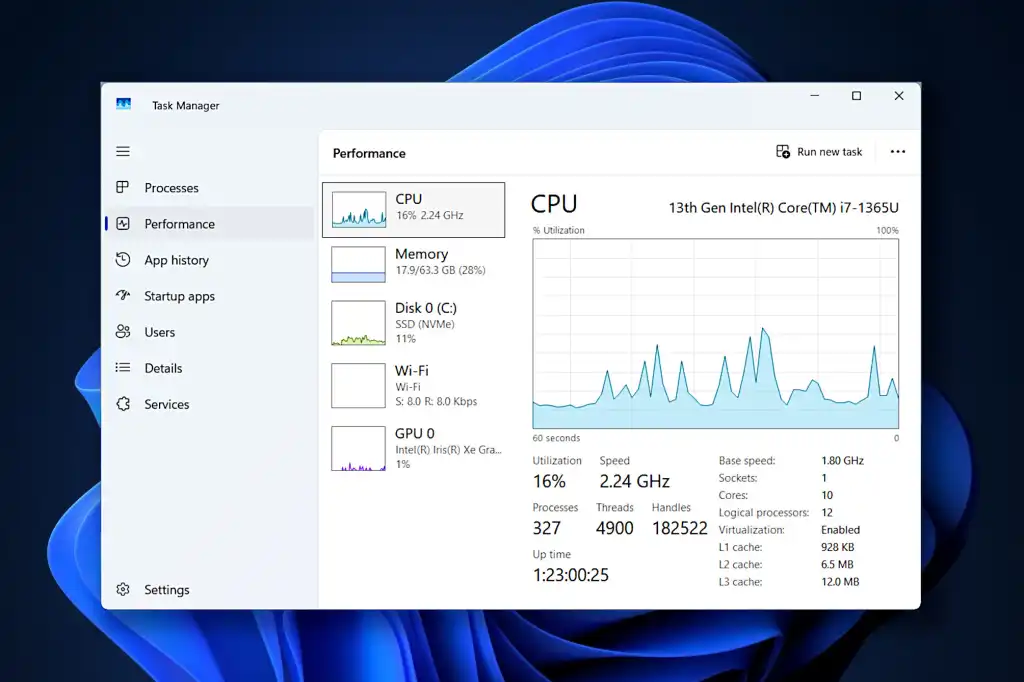
Microsoft steps in
The good news is that Microsoft caught wind of the issue and squashed it faster than you can say “Ctrl+Shift+Esc.” Yesterday’s Windows 11 update (build KB5068861, for those keeping score at home) officially put an end to Task Manager’s identity crisis. According to the patch notes, the update “addresses an issue where closing Task Manager with the Close button didn’t fully end the process, leaving background instances that could slow performance over time.”
Translation: Task Manager now actually closes when you close it. Revolutionary stuff, really.
Bonus fixes for the gamers
While they were at it, Microsoft also threw in some fixes for handheld gaming devices. Apparently, some handhelds were refusing to enter low-power mode, and there were controller input issues on the Windows login screen—because nothing says “fun gaming session” like not being able to log into your own computer.
Given Microsoft’s recent interest in the handheld gaming space, it makes sense they’d want to keep those devices running smoothly. After all, nobody wants their portable gaming rig turning into a pocket-sized space heater.
So there you have it: Task Manager is back to being its reliable, close-when-you-tell-it-to self. Crisis averted, performance restored, and Windows users everywhere can breathe a little easier.