



For over twenty years, Quentin Tarantino fans have been living with an incomplete picture. Sure, we got both volumes of Kill Bill, and yeah, they were masterpieces in their own right. But there was always something missing, a piece of O-Ren Ishii’s story that never made it to our screens. Until now.
Kill Bill: The Whole Bloody Affair has arrived in theaters, and buried within its four-hour-plus runtime is something special: the completion of a vision that’s been gestating since 2003. This isn’t just another director’s cut with a few extended scenes thrown in for good measure. This is Tarantino finally closing a loop he’s been trying to finish for two decades.
The anime sequence that almost wasn’t
When Kill Bill Vol. 1 first hit theaters, one of its most striking moments was the sudden shift into anime during “The Origin of O-Ren.” Production I.G., the legendary studio behind Ghost in the Shell and The End of Evangelion, brought O-Ren Ishii’s tragic backstory to life in a way that felt both brutal and beautiful. We watched young O-Ren witness her parents’ murder and later exact revenge on crime boss Matsumoto. It was visceral, it was stunning, and apparently, it was only half the story.
The thing is, Tarantino always intended for that anime segment to go further. There was supposed to be a second part showing O-Ren’s confrontation with Pretty Riki, the other yakuza responsible for destroying her family. But between budget constraints, Harvey Weinstein’s pressure to split the film, and the chaos of post-production, that sequence never materialized. It became one of cinema’s great “what ifs.”
What we’ve been missing all along
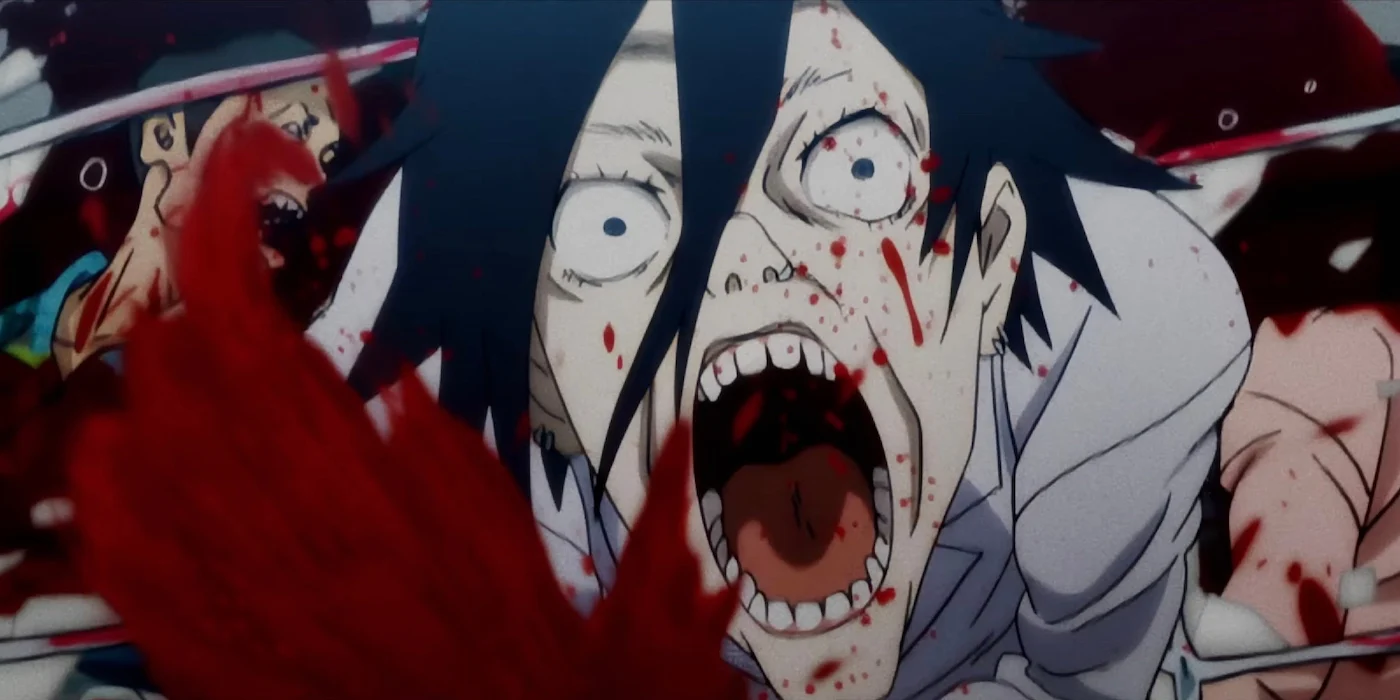
The newly completed anime sequence picks up right where the original left off. After teenage O-Ren takes down Matsumoto, we finally get to see her track down Pretty Riki. What follows is an eight-minute adrenaline rush that feels like it was always meant to be there.
The confrontation happens in an elevator, because of course it does. This is Tarantino we’re talking about. O-Ren and Riki engage in a beautifully choreographed duel that builds and builds until the elevator itself becomes a death trap. The sequence culminates with an explosion that sends both fighters plummeting down the shaft in a moment that’s equal parts terrifying and exhilarating.
What makes this addition so effective is how naturally it fits. The animation style matches the original perfectly, which makes sense considering Production I.G. returned to complete what they started. If you’re watching The Whole Bloody Affair for the first time, you’d never know this scene was animated 21 years after the first part. The transition is that seamless.
There’s an interesting parallel here that probably wasn’t lost on Tarantino. Just like Kill Bill itself was split into two tonally different volumes, O-Ren’s revenge is now complete with two distinct assassination sequences. The Matsumoto killing is intimate and personal, echoing the quieter, more contemplative Vol. 2. The Riki confrontation is pure spectacle and kinetic energy, matching Vol. 1’s over-the-top action.
Together, they form something complete. Something that was always supposed to exist but just… didn’t.
Eight minutes that were worth the 21 year wait
Getting new Tarantino content in 2025 is a rarity. The director has been vocal about retirement, about limiting his filmography to ten films, about being selective with his time. That makes these eight minutes feel precious in a way that’s hard to quantify.
Kill Bill has always been special because its world feels lived-in and expansive. Every character has a history, every sword has a story. Tarantino himself has teased ideas for prequels and spin-offs, particularly one focusing on Bill and the early days of the Deadly Viper Assassination Squad. But those projects remain theoretical at best.
This completion of O-Ren’s origin story might be as close as we get to expanding the Kill Bill universe, and honestly? That feels right. There’s something elegant about this being enough. About Tarantino and Production I.G. finally having the opportunity to finish what they started, rather than constantly chasing new additions.
From Cannes to the masses
The Whole Bloody Affair isn’t technically new, it premiered at Cannes back in 2006. But for most people, it might as well have been a myth. Screenings were rare and mostly limited to Tarantino’s own theaters in Los Angeles. It was the kind of thing you heard about from film nerds who were lucky enough to catch it at the New Beverly Cinema, but never something you could actually experience yourself.
Lionsgate’s nationwide release changes that equation entirely. Now, Kill Bill can finally be experienced the way it was originally conceived: as one complete, bloody, beautiful story. With the missing piece of O-Ren’s past finally restored.
And just to be clear, this isn’t the Fortnite thing. That Lost Chapter: Yuki’s Revenge collaboration is its own separate piece of promotional content, shown after the credits in some territories. Neat for what it is, but not part of the actual film.
The completed Whole Bloody Affair represents something simpler and more meaningful: a director getting the chance to finish his vision, decades after the fact, and audiences finally getting to see it.
After 21 years, O-Ren Ishii’s story is complete. And Kill Bill is finally whole.
Want more deep dives into the stories behind your favorite films and the latest geek culture news? Follow Geek Realm Hub for content that goes beyond the surface.