



The gaming industry has been locked in an endless tug-of-war between two philosophies: should studios chase the live-service goldmine or double down on single-player narratives? According to Strauss Zelnick, CEO of Take-Two Interactive, the answer might be simpler than we thought, and it’s written all over Mafia: The Old Country’s sales numbers.
In a recent conversation with The Game Business, Zelnick didn’t hold back his enthusiasm about the latest Mafia installment’s performance. The game didn’t just meet expectations; it blew past them. For Zelnick, this success tells a compelling story of its own: gamers are hungry for focused, narrative-rich experiences that respect their time and wallets.
When shorter means better
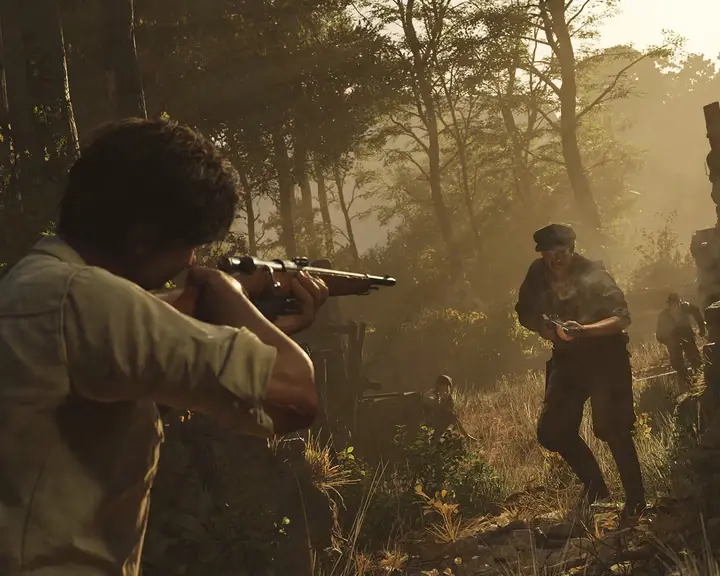
Here’s where things get interesting. Mafia: The Old Country clocks in at just over 11 hours for a complete playthrough, a far cry from the 200-hour behemoths that dominate the open-world RPG space. It’s linear, semi-open world, and unapologetically story-focused. And players? They’re eating it up.
The game launched at $50 USD, positioning itself as a premium experience without the premium guilt. It’s a strategic move that seems to acknowledge a growing fatigue among gamers who are tired of being nickel-and-dimed by live-service models or committing months of their lives to finish a single game.
The title earned an impressive 8.5 out of 10 rating from Level Up, with particular praise for its design, narrative depth, and soundtrack. It’s proof that you don’t need endless content to create something outstanding, you just need the right content.
The live-service reality check
Zelnick’s comments gain even more weight when you consider the flip side of Take-Two’s recent releases. Borderlands 4, which the company positioned as their major blockbuster with all chips on the table, underperformed against sales expectations. According to Zelnick, the culprit was a poorly optimized PC port, a technical stumble that cost them dearly in a market where performance issues spread like wildfire across social media.
The contrast couldn’t be starker: a focused, story-driven game exceeding expectations while a massive multiplayer-oriented production falls short. It’s the kind of data point that makes executives rethink their entire strategy.
An industry shift?
Zelnick isn’t alone in championing narrative experiences. Shawn Layden, former PlayStation president, recently reinforced his stance favoring campaign-based titles while taking shots at live-service and multiplayer games, going so far as to question whether they qualify as “real” video games. It’s a provocative take, but one that reflects a growing sentiment among industry veterans.
The debate between single-player and multiplayer experiences has always divided the gaming community, but the commercial success of titles like Mafia: The Old Country suggests the pendulum might be swinging back toward storytelling. Players seem increasingly willing to pay for quality narratives that deliver a complete experience without requiring a second mortgage or a year-long commitment.
Whether this marks a genuine industry trend or just a momentary correction remains to be seen. But for now, Take-Two’s CEO is betting on stories, and the numbers are backing him up.