



If you’ve ever waited for a Nintendo game to drop in price, and it never did, there’s actually a very deliberate reason behind that. Reggie Fils-Aimé, former president of Nintendo of America, recently sat down at the NYU Game Center Lecture Series for a conversation with games analyst Joost Van Dreunen, and one of the topics that generated the most buzz was Nintendo’s famously rigid pricing strategy. His explanation goes back centuries, literally.
Fils-Aimé connected Nintendo’s approach directly to the company’s origins in Kyoto, Japan, the ancient imperial capital, historically celebrated for its tradition of fine craftsmanship in textiles, ceramics, and pottery. That cultural identity, according to Reggie, is something Nintendo has absorbed deeply into its own DNA as a company.
Nintendo ships games ready to play from day one
At the heart of Reggie’s argument is Nintendo’s philosophical opposition to releasing games that depend on large day-one patches to function properly. In an industry where launching a broken game and patching it later has become the norm, Nintendo operates by a completely different set of rules.
“The Nintendo mentality is we’re shipping a game complete. It’s ready to play. There’s no day one update that is going to take three hours,” Fils-Aimé said. “I’d liken it to this idea of Kyoto craftsmanship. Kyoto is a city known for its fine craftsmanship. I’m convinced that Nintendo as a company has that same mentality. We are going to build the best games. We are going to send them out feature-complete. And as a result, we don’t discount our games.”

The logic is consistent: if you invest the time to deliver a finished, polished product, the price it launches at reflects that value, and that value doesn’t expire. There’s no reason to mark it down six months later just to move units.
Fils-Aimé also clarified that Nintendo’s internal policy is to never discount its own software. While a retailer might occasionally run a promotion on a Nintendo title, the company itself never initiates those reductions. It’s a distinction that matters, because it means any sale you’ve ever seen on a Nintendo game at a specific store was that retailer’s decision, not Nintendo’s.
The clearest example Reggie pointed to was The Legend of Zelda: Breath of the Wild. He specifically highlighted that the game was never discounted digitally, and its recommended retail price has held at $59.99 eight years after launch. For context, most games in the industry see significant price drops within the first year.
A philosophy rooted in brand value, not just quality
The goal, according to Fils-Aimé, is to establish what Nintendo considers a fair price at launch and maintain it consistently over time. By avoiding the cycle of frequent discounts, the company preserves the perceived value of its intellectual property, ensuring a game released in 2017 carries the same market respect as a brand new release.
It’s a bold stance in an era where Steam sales, seasonal PlayStation deals, and subscription services have conditioned players to expect prices to drop. Nintendo simply doesn’t participate in that cycle, and the numbers show the strategy works. Fans buy Nintendo games at full price because they know a discount isn’t coming, so there’s no point in waiting.
Whether you agree with the philosophy or not, Reggie’s explanation makes clear that Nintendo’s pricing rigidity is a deliberate cultural stance rather than simple commercial opportunism, one baked into the company’s identity long before the modern games market existed.
But even Reggie thinks the industry demands more flexibility now
Here’s where the conversation took an interesting turn. Despite defending Nintendo’s model, Fils-Aimé didn’t close the door on change.
During the lecture, he acknowledged that the industry is evolving and that the company must be mindful of how the marketplace shifts. He pointed to the need for “thoughtfulness” when approaching pricing in the modern era, suggesting that being strictly tied to a fixed price point without reading the broader context might not always be the right call.
Importantly, he’s not calling for Nintendo to start discounting its games, rather, he’s suggesting that companies should be more flexible about finding the right price point for each individual title. That nuance matters.
And Nintendo has already started moving in that direction with the Switch 2. The company recently announced that digital versions of Switch 2 games would be $10 cheaper than their physical counterparts. At the same time, some titles are launching at lower price points, Splatoon Raiders, for example, was revealed at $49.99, significantly below what other Switch 2 launch titles are asking. All of this while Mario Kart World launched at $79.99, which sparked its own wave of debate among the community.
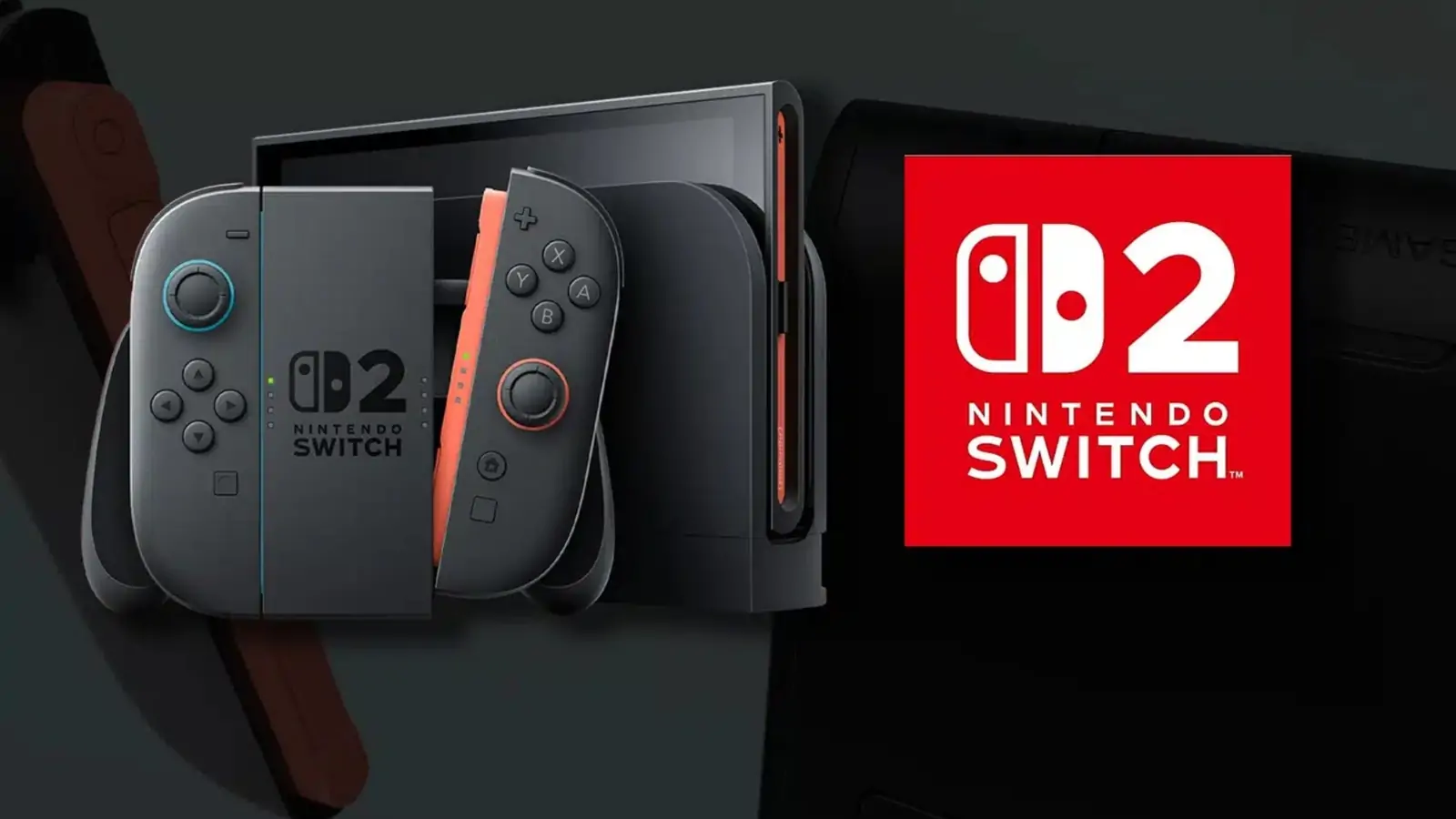
So while the no-discount philosophy isn’t going anywhere, Nintendo is clearly rethinking how it assigns prices at launch, which in practice may end up being a more honest form of flexibility than post-launch sales ever were.
Reggie Fils-Aimé stepped away from Nintendo in 2019, but conversations like this one at NYU are a reminder that few people understand the company’s inner workings the way he does. His take on pricing is one of those explanations that won’t make everyone happy, but at least now you know exactly why your favorite Nintendo game is never going on sale.
What do you think, is Nintendo’s no-discount policy fair, or does it make being a fan too expensive? Tell us in the comments!