



There’s something magical about firing up a console that’s older than some of the people playing it. While the gaming industry keeps pushing forward with ray tracing, 8K graphics, and virtual reality experiences that would make our younger selves’ heads explode, a significant chunk of North American gamers are perfectly content with their pixelated adventures from decades past.
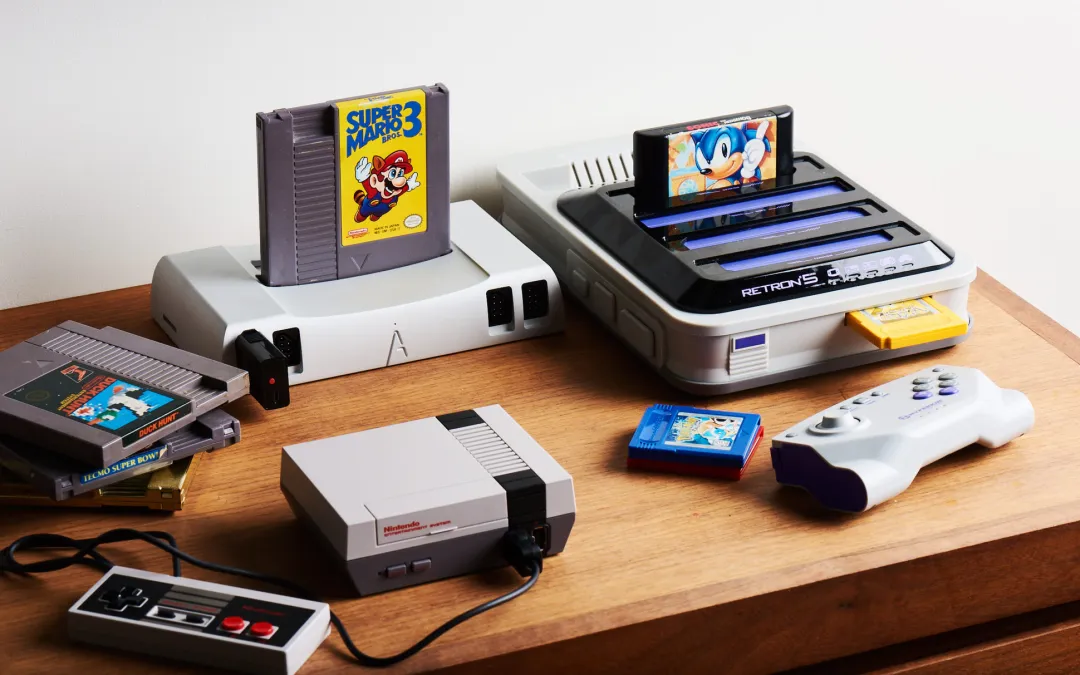
According to a Consumer Reports survey, back in February of 2025, a solid 14 percent of North Americans are still actively gaming on systems that were released before the year 2000. We’re talking about the heavy hitters here—the NES, SNES, Sega Genesis, Nintendo 64, original PlayStation, Dreamcast, and the entire Game Boy family. These aren’t museum pieces gathering dust in someone’s attic; they’re being plugged in, powered up, and played regularly.
More than just nostalgia
Now, before you write this off as pure nostalgia-fueled sentimentality, there’s more to the story. Sure, the demand for retro gaming hardware and collectibles has turned into big business, and there are countless ways to experience classic titles without owning the original hardware. The Nintendo Switch Online service gives you access to NES and SNES libraries, PlayStation has its classics catalog, and dedicated retro systems like the Evercade are keeping vintage games accessible for new generations.
But here’s the thing: people are choosing the authentic experience. They’re dealing with blowing cartridges that need a good puff of air, wrestling with RF adapters, and accepting that their CRT television takes up half the living room. There’s a tactile, almost ritualistic quality to retro gaming on original hardware that emulation just can’t quite capture.
The streaming effect
A huge part of this retro renaissance can be credited to the speedrunning and streaming communities. Platforms like Twitch and YouTube have given classic games a second (or third, or fourth) life. Speedrunners are dissecting games that are older than they are, finding glitches and shortcuts that developers never imagined, and turning 30-year-old titles into competitive spectacles.
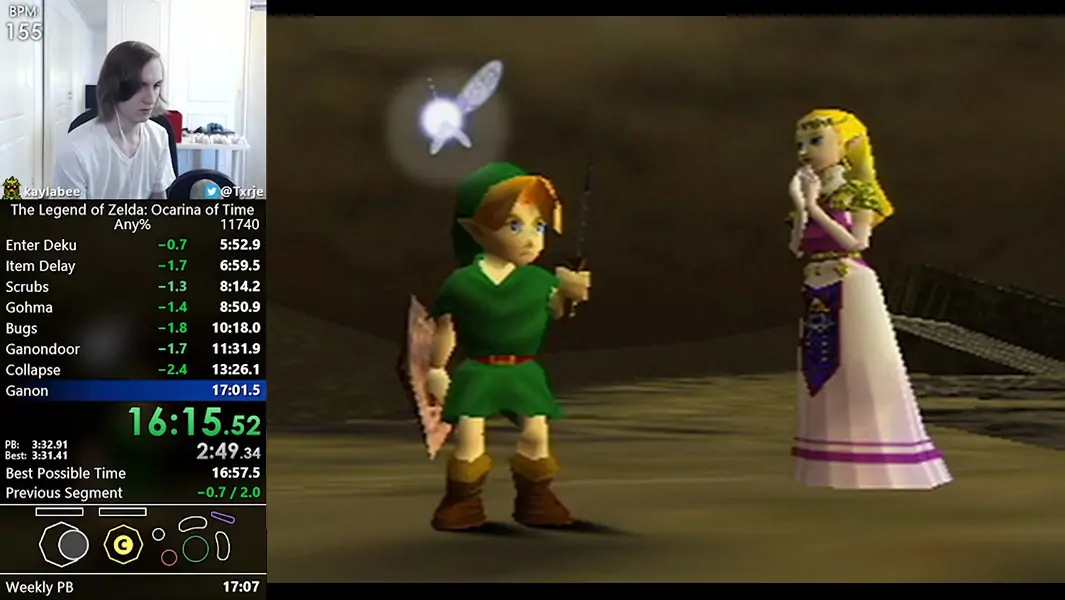
Streamers are introducing entire generations to games they never experienced the first time around. When someone with thousands of viewers fires up Super Metroid or Ocarina of Time, suddenly those games aren’t just relics—they’re living, breathing entertainment that can hold their own against modern releases. The community aspect has transformed solo gaming experiences into shared cultural moments, proving that great game design is timeless.
A broader analog trend
Interestingly, this isn’t just a gaming phenomenon. The same Consumer Reports study found that 15 percent of Americans have listened to music on a cassette tape in the past year, and an equal percentage have watched a movie on VHS. Even LaserDisc, that quirky format that never quite caught on, still has three percent of the population spinning those massive platters.
Perhaps most surprisingly, 11 percent of American households still use a fax machine. Yes, you read that right. In the age of instant messaging and cloud storage, people are still feeding paper into machines that make those delightful screeching sounds.
Why it matters
What all this tells us is that “obsolete” doesn’t mean “worthless.” These pre-2000 gaming systems have proven they’re not defunct—they’re classic. They’ve survived format wars, hardware failures, and the relentless march of technological progress because the experiences they offer still resonate.
Whether it’s the satisfying click of a cartridge sliding into place, the distinctive startup chime of a PlayStation, or the simple joy of playing games that prioritized gameplay over graphics, these vintage systems offer something that modern gaming sometimes loses in its pursuit of photorealism and cinematic experiences.
So the next time someone tells you to throw out that old Nintendo 64 or Dreamcast, remember: you’re part of a 14 percent club that knows better . Those consoles aren’t gathering dust—they’re making memories, one pixelated frame at a time.
Tell us, do you still have retro consoles? And if you do, which ones do you have!? Let us know!