

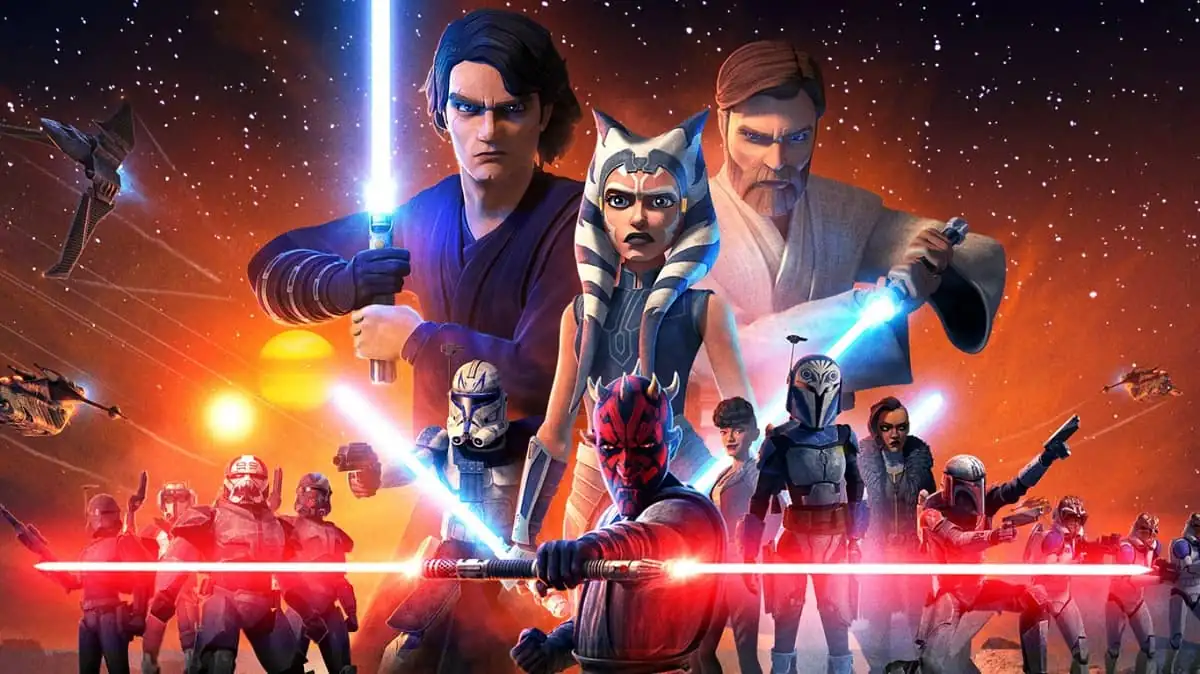

A wave of box office collapses, canceled shows, and record-breaking trailer backlash across gaming, television, and film has pushed longtime fans of Star Wars, Halo, DC, and other major franchises back toward the originals that built these properties, with industry data now backing up what fan communities have argued for years: audiences are rejecting new entries they see as prioritizing message over story.
A Consumer Reports survey found that 14% of dedicated U.S. gamers now play on systems from before 2000, while a Pringles poll of 2,000 people in Great Britain found that 24% of Gen Z respondents already own a retro console, with 89% of them citing a desire for a break from constant online connectivity as their reason for doing so.
The global retro console market reached $3.8 billion in 2025 and is projected to hit $8.5 billion by 2033, according to industry tracking. A Newcastle University Business School study attributes the trend to nostalgia functioning as a psychological anchor, restoring comfort and identity for players returning to games from their childhood.

Movie audiences have shown a similar shift: 2025 was the first year since 2011 in which no superhero movie crossed $700 million worldwide, with original films like Sinners and Weapons outperforming franchise releases instead. The trend has only accelerated in 2026.
A24’s Backrooms, a $10 million horror film from 20-year-old first-time director Kane Parsons, became the studio’s biggest release ever, crossing $330 million worldwide. Iron Lung, a horror game adaptation directed by online creator Markiplier, earned $51.2 million against a $3 million budget.
Family audiences turned out in similar numbers for films built on character and story rather than messaging: The Super Mario Galaxy Movie crossed $1 billion worldwide on a $110 million budget, and the Michael Jackson biopic Michael approached $900 million in the same window, both outperforming several of the year’s big-budget franchise releases.
Star Wars: When new ideas meet an established fandom
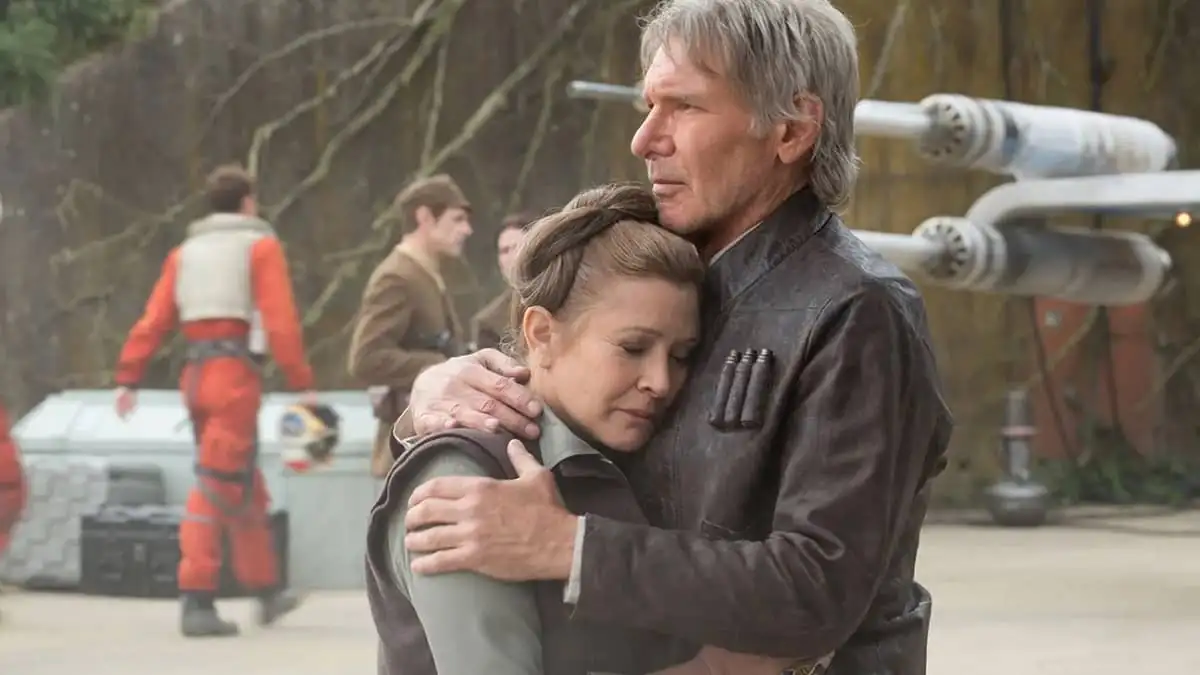
Nielsen’s 2025 streaming data for Disney+, covering roughly 33 billion minutes of Star Wars viewing, found that none of the three sequel trilogy films, The Force Awakens, The Last Jedi, The Rise of Skywalker, placed in the platform’s top 10 most-watched Star Wars titles, even on Star Wars Day. The top spots went to A New Hope, The Phantom Menace, and Rogue One, with the once-divisive prequel trilogy now among the most-rewatched entries in the franchise.
Andor was the single most-streamed live-action Star Wars title of all of 2025, and The Mandalorian remained the top pick among both Gen Alpha and Baby Boomer viewers, with The Clone Wars leading among Gen Z, showing that the rejection is specific to the sequel trilogy and The Acolyte rather than new Star Wars content overall.
The Acolyte premiered on Disney+ on June 4, 2024, drawing 4.8 million views on its first day, the platform’s biggest series debut of the year. By its third week, the show had dropped off Nielsen’s Top 10 originals list entirely, and its finale recorded the lowest watch-time of any Star Wars series to date. The production carried a reported $180 million budget, or roughly $630,000 per minute of footage, making it one of the most expensive series per minute in streaming history.
Fans criticized the show’s departures from established Jedi lore and what many described as a focus on new representation over the mythology built across five decades of Star Wars storytelling. Disney canceled the series two months after its finale, with sources telling reporters the decision came down to viewership relative to cost.
The pattern predates The Acolyte. The 2017-2019 sequel trilogy divided the fanbase over multiple creative decisions, and actress Kelly Marie Tran left social media after facing sustained harassment tied to her character in The Last Jedi. Longtime fans have argued for years that Lucasfilm prioritized new messaging over the character writing that defined the original films, and the 2025 streaming numbers, at minimum for the sequel trilogy specifically, reflect a lasting audience preference for the earlier material.
Halo: When a studio doesn’t trust its own source material
Paramount+’s Halo carried two decades of built-in goodwill into its 2022 premiere. Master Chief’s silent, helmet-on presence had defined the character across games, novels, and comics since the franchise launched on the original Xbox. The first season removed his helmet on screen, a change longtime fans viewed as undermining the character’s core identity.
The show also rewrote the backstory of Cortana, changing her from an AI who chose to accompany Master Chief in the games into one assigned to him without consent, and introduced a romantic and sexual relationship between Master Chief and a captured Covenant sympathizer named Makee, a storyline absent from twenty years of established canon. Season 1 scored 52% with audiences on Rotten Tomatoes against a 70% critic score, a gap reflecting the divide between critical reception and fan reaction.
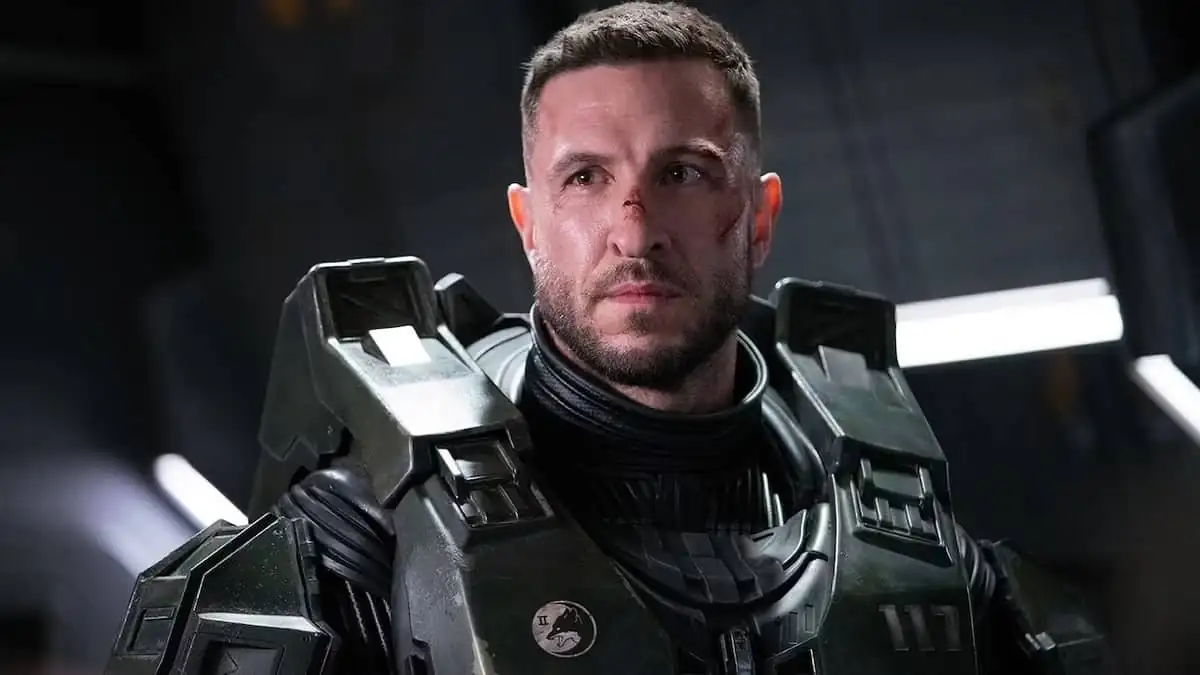
Paramount+ budgeted the series at roughly $10 million per episode. Season 2 improved its audience score to 68% after adjusting some of the criticized elements, but the series was canceled after two seasons in 2024. Fans pointed to the same explanation offered across other franchise failures: rather than trusting a character and story already proven across two decades of games and books, the show’s creative team altered Master Chief into someone unrecognizable to the audience and long time fans.
When games bet everything on the wrong thing
Volition, the 30-year-old studio behind Saints Row, closed permanently in 2023, one year after releasing a full reboot of the franchise. The reboot launched buggy and split fans over its tone, moving away from the chaotic, over-the-top humor that defined earlier entries in the series.
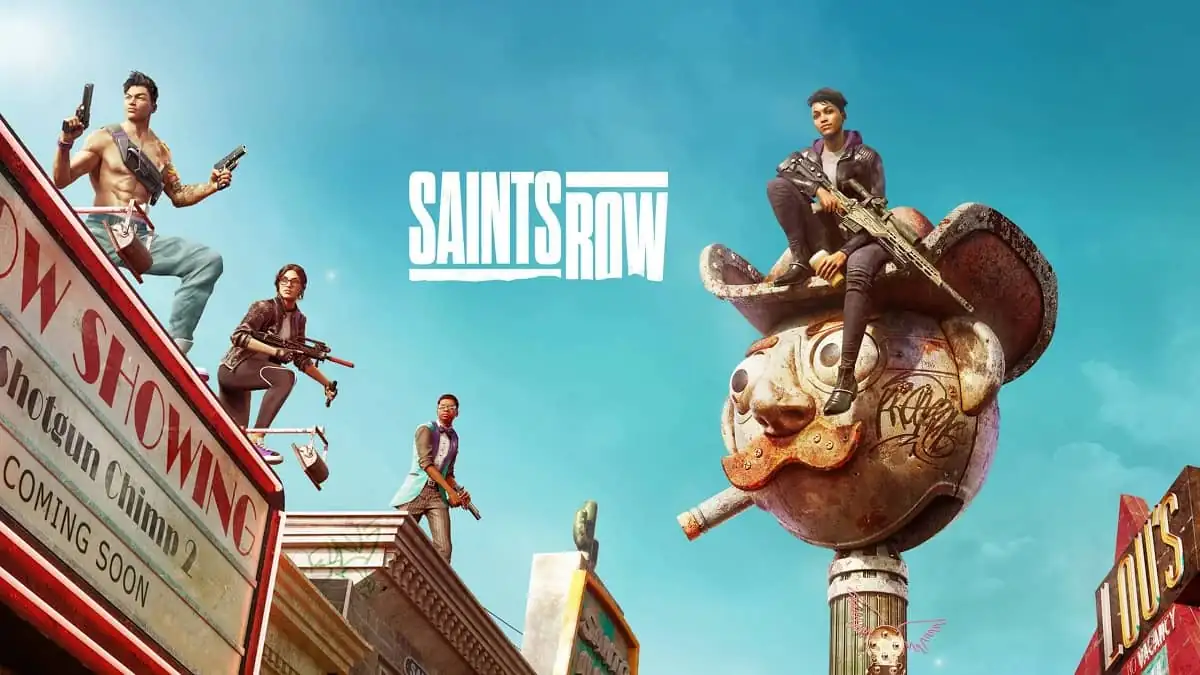
Longtime fans argued the game leaned into message-driven writing at the expense of the character comedy the franchise built its identity on. Parent company Embracer cited a broader corporate restructuring, triggered after a $2 billion investment deal collapsed, along with the game’s commercial underperformance, as the stated reasons for the closure.
Sony’s Concord launched in August 2024 as a $40 hero shooter following eight years of development. The game reached fewer than 700 concurrent players on PC and was pulled offline twelve days after release, with Sony refunding every copy sold. Firewalk Studios, the game’s developer, was shut down two months later. Fans criticized the game’s character designs as prioritizing message over appeal, contrasting them with Overwatch’s roster, which achieved iconic status through distinct personalities rather than conventional attractiveness.
Warner Bros.’ Suicide Squad: Kill the Justice League, developed by Rocksteady, the studio behind the Batman: Arkham trilogy, cost Warner Bros. a reported $200 million loss following seven years of development.
The game triggered mass layoffs at Rocksteady, and developers later acknowledged the project drifted from creative ambition toward monetization metrics during production. Longtime Arkham fans criticized the game for abandoning the character-first, atmospheric storytelling of the original trilogy in favor of a live-service structure with a roster reworked to fit contemporary trends.
Supergirl: When the press tour overshadows the movie
DC Studios’ Supergirl opened in theaters on June 26, 2026, as the second film in James Gunn’s rebooted DC Universe. The film debuted domestically at $37.1 million against a production budget of $170-186 million and a reported $120 million marketing spend, then suffered a 77% second-weekend drop, leaving its worldwide total at $107.3 million. Analysts project losses between $80 million and $120 million for Warner Bros., placing the film alongside bombs like Joker: Folie à Deux.
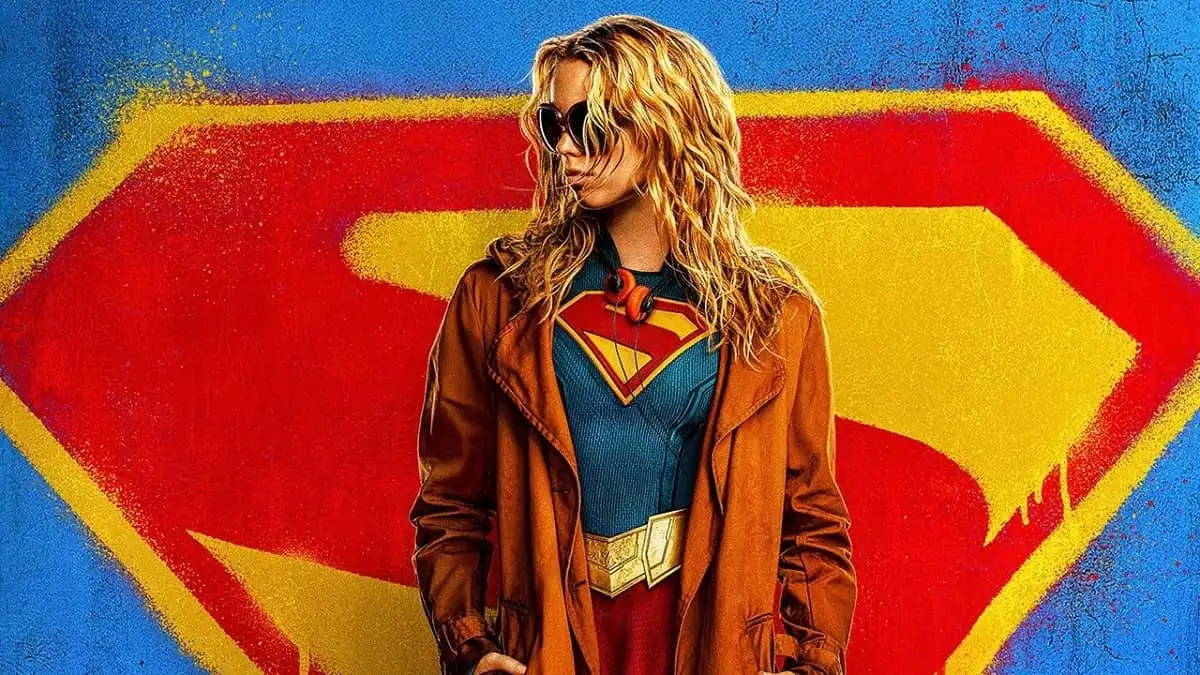
In press interviews ahead of release, star Milly Alcock described online critics of the film as “Christian Dads,” said she found it “beautiful” that the film wasn’t centered on a man, and suggested her character was likely bisexual when asked in a Pride Month-themed interview.
Fans cited these comments as confirmation of a pattern already established across the franchises above: a production more concerned with messaging than with the character at its center. Outlets including American Greatness directly tied the film’s box office collapse to what they characterized as its “woke media interviews.”
Critics were similarly unforgiving. Variety called the film “super-horrendous,” citing “the worst script” its reviewer could recall, and Rotten Tomatoes settled at a rare 54-58% for a DC release, with reviews citing a muddled script, murky visual effects, and weak direction. DC co-head Peter Safran called the film “just one component” of a longer-term studio strategy following its opening weekend.
Industry reports now point to a July 28 digital release for Supergirl, which would put the film on PVOD platforms barely a month after its June 26 theatrical debut, a compressed window Warner Bros. has previously used for box office underperformers.
The Odyssey: A trailer ratioed before the film even opens
Christopher Nolan’s adaptation of Homer’s The Odyssey, releasing July 17, 2026, has drawn one of the most negative trailer receptions of any major studio release in recent memory. For comparison, the trailer for Oppenheimer drew roughly 836,000 likes against 6,000 dislikes, and Inception’s trailer sits at approximately 21 dislikes total.
Related Article: Read our review of The Odyssey
The Odyssey’s final countdown trailer currently stands at roughly 75k likes against 699k dislikes, a ratio exceeding 9-to-1, placing it among the most-disliked studio trailers ever released, behind only Disney’s Snow White remake by some estimates. Universal has restricted replies on the film’s official social media accounts.
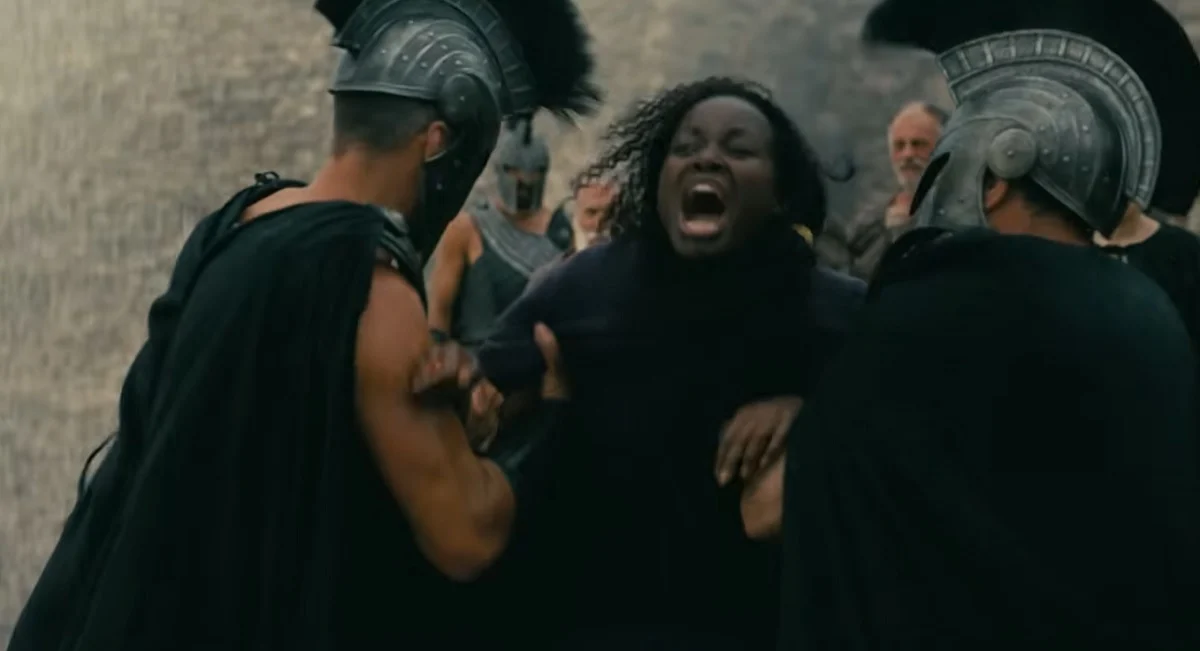
Much of the backlash centers on casting: Lupita Nyong’o as Helen of Troy, Zendaya as Athena, Elliot Page in a male companion role, and Travis Scott as a Homeric bard. Elon Musk posted that Nolan had “desecrated Homer” to “meet the woke rules required to win an Oscar,” a comment that drew significant additional attention to the film.
Nyong’o told an interviewer she had not read The Odyssey before joining the production, a comment fans cited as evidence the adaptation lacked respect for its 2,800-year-old source material. Despite filming in Greek locations including Pylos and Methoni and receiving over €6.5 million in Greek government production incentives, the film’s cast includes no Greek or Greek-American actors in principal roles.
The backlash is not limited to casting. Some viewers have criticized the trailer’s modern-sounding dialogue, reportedly influenced by Emily Wilson’s contemporary translation of the poem, along with a muted color palette some feel undercuts the mythological scale of the source material. The film is tracking for an $80-100 million domestic opening against a $250 million budget, and the trailer topped YouTube’s trending chart despite the ratio.
A fandom that remembers what these franchises used to be
Doctor Who lost roughly 1.4 million UK viewers across Ncuti Gatwa’s two seasons, falling from 5.2 million under Jodie Whittaker’s final season to 3.8 million by Season 15, and never charted on U.S. streaming rankings. Disney ended its co-production deal with the BBC after two seasons. Gatwa told critics of his casting, “Don’t watch. Turn off the TV. Go and touch grass, please, for God’s sake,” a remark that drew further criticism from longtime viewers.
Amazon’s Rings of Power lost 60% of its audience between seasons one and two, according to Luminate data, with only 37% of U.S. viewers completing season one. The decline stands in contrast to Game of Thrones, which grew its audience in every season of its original run. Tolkien fans have pointed to departures from established lore as a central factor in the show’s declining audience.
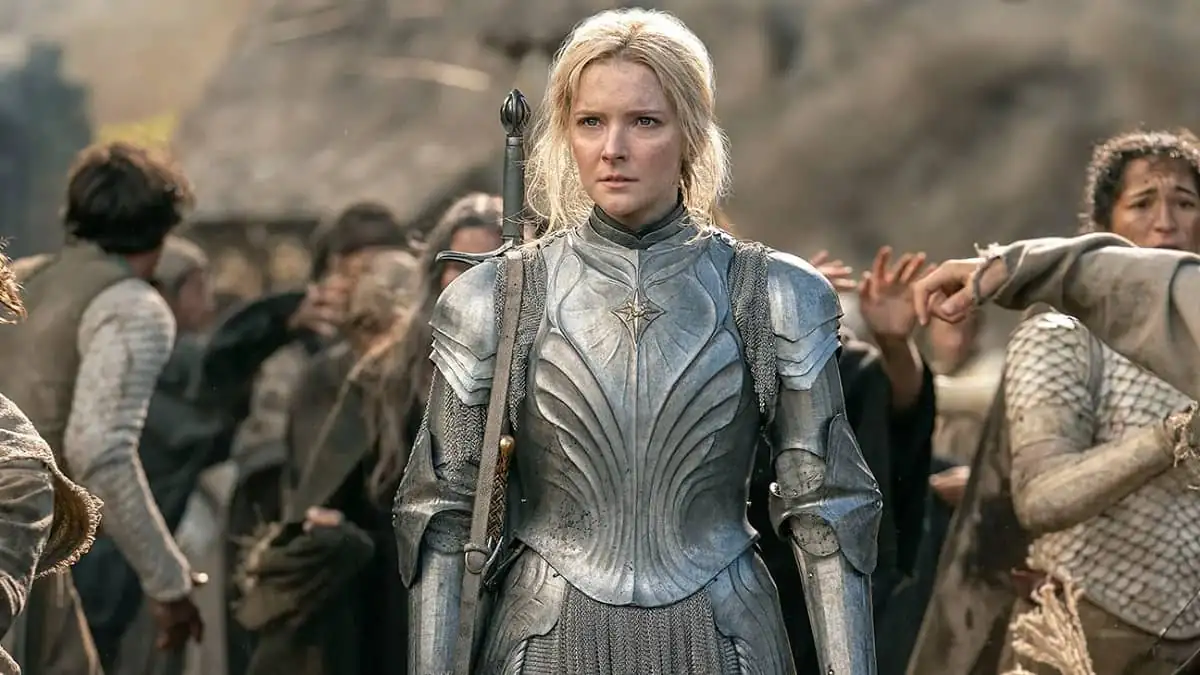
Studios and independent analysts have largely attributed these failures to factors separate from messaging, production budgets, live-service business models, development delays, and, in Supergirl’s case, critical reception of the script and direction. Fans across each of these franchises have consistently pointed to a very different explanation.
It isn’t nostalgia for nostalgia’s sake, and it isn’t resistance to change. What longtime fans keep asking for is simple: real characters worth caring about, worlds built with enough care to feel alive, and stories crafted to make audiences feel something again, rather than franchises reshaped around a message and handed back as content.
So, longtime fans, are these franchises still worth defending, or is it time to let some of them go? Tell us which one hit hardest for you, we want to hear it!