


UPDATE JULY 7 2026
Mr Rubik has re-scheduled a YouTube video to be premiered on July 10th 2026, showcasing the Play Store Version Overview & Setup Tutorial, you can watch it here:
ORIGINAL ARTICLE
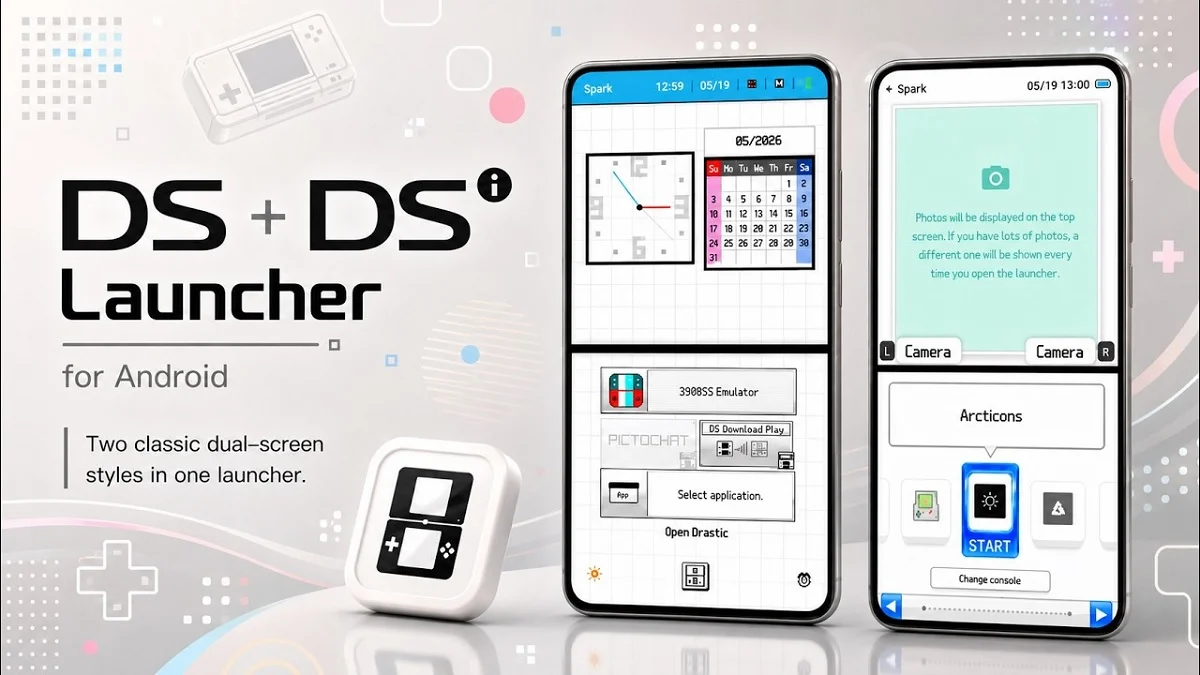
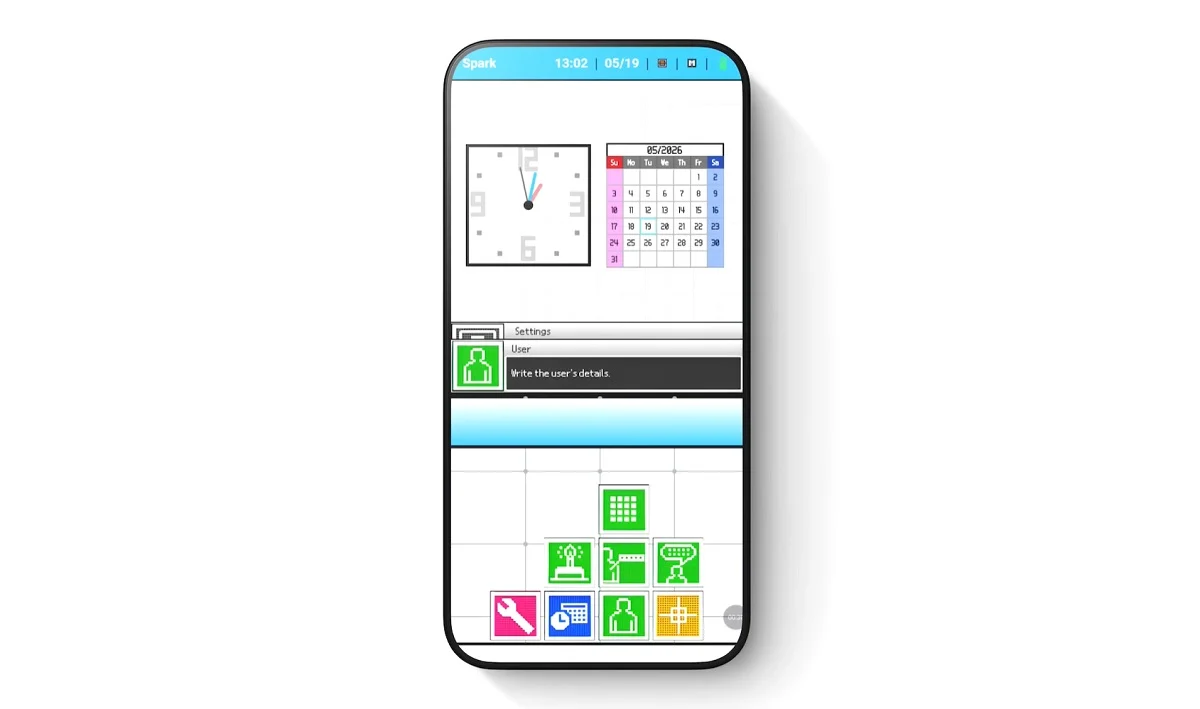
Developer Mr Rubik has revealed DS & DSi Launcher, an upcoming Android application that rebuilds the interface of the Nintendo DS and DSi almost exactly, down to the clock, calendar, typography, icons and startup sounds of the original consoles.
The project was unveiled through a demo video on Mr Rubik’s YouTube channel and has since been picked up by outlets including Retro Dodo and Android Authority, who describe it as the closest thing to owning a smartphone shaped like Nintendo’s dual-screen handheld.
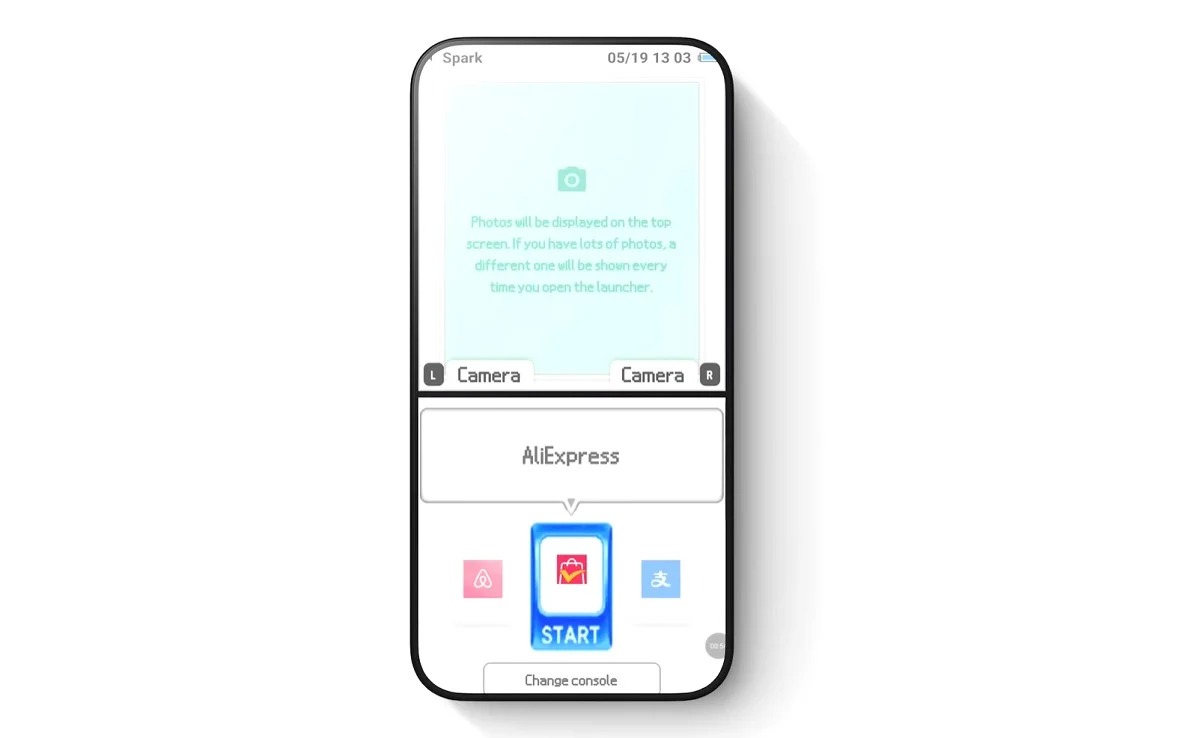
Once installed from the Google Play Store, the launcher takes over the phone’s home screen and app drawer entirely, splitting the display into the same two-panel layout used by the DS, with the list of installed apps organized in a lower menu and opened in a dedicated panel above, mimicking how software launched on the original hardware.
It is not a wallpaper pack or an icon theme sitting on top of Android, but a full replacement of the system interface, and the demo footage shown so far suggests the level of detail goes well beyond a typical cosmetic skin.
Italian outlet GizChina reported that the launcher already appears to be in an advanced stage of development based on the screenshots and footage shared publicly, noting the attention paid to small visual details as one of the standout aspects of the project. Android Authority framed the app in similar terms, describing it as an attempt to bring back the nostalgic feel of the DS and DSi consoles directly to a modern phone screen.
What the launcher includes
According to the features shown in the demo, DS & DSi Launcher offers both a DS-style and a DSi-style interface, letting users choose which generation of Nintendo’s design they want running on their phone.
The app also includes a catalogue of installed Android apps displayed DS-style, a local library for organizing DS, DSi and GameBoy Advance games, custom app icons pulled from the user’s own images, controller and gamepad-friendly navigation, and toggleable sound and haptic feedback modeled on the console. Icon packs, notification badges, and local backup and export tools round out the current feature list.
Mr Rubik has described the project as bringing a retro dual-screen handheld-style experience to Android, with a nostalgic interface inspired by classic DS and DSi menus, app launching and local game organization.
The developer has also emphasized that the launcher works entirely offline, with no user accounts, no analytics and no tracking of any kind, a detail highlighted by both Clubic and Phonandroid in their coverage of the project.
Custom Android launchers themselves are nothing new, with dozens of them already available on the Play Store, ranging from minimalist replacements to skins that mimic other operating systems entirely. What sets DS & DSi Launcher apart, according to early coverage, is how far it goes in reproducing a specific, discontinued piece of hardware rather than offering a generic aesthetic.
PictoChat’s return and what’s still missing
Among the features generating the most attention is the confirmed return of PictoChat, the local messaging tool that let DS owners exchange drawings and short messages with other consoles nearby.
According to Mr Rubik, PictoChat will arrive with version 1.0.4 of the launcher, and it will carry the same restriction it had on the original hardware: it works over a local network connection only, with no internet-based messaging. On the original DS, that limitation was part of what made PictoChat memorable, turning classrooms, airports and waiting rooms into impromptu chat rooms for anyone within range.
Mr Rubik has been developing the app in close contact with a Discord community, where user feedback has already shaped upcoming additions, including a dark mode planned for users who find the launcher’s default light DS aesthetic too bright for nighttime use.
The developer has also demonstrated the launcher running on the AYN Thor, a folding dual-screen Android handheld whose hardware layout closely mirrors the original DS form factor, making it a natural showcase for the project even before an official release.
No release date or pricing has been confirmed for DS & DSi Launcher. Phonandroid, among others, has speculated that the app is unlikely to be released for free given the scope of the project, though this remains speculation until Mr Rubik confirms pricing details himself.
Nintendo’s track record with fan projects like this
DS & DSi Launcher does not distribute ROMs and does not claim any emulation functionality on its own; technically, it is a custom graphical interface for Android, a category with dozens of existing entries on the Play Store. Recreating a console’s system interface this closely, however, sits in less clearly defined territory when it comes to intellectual property.
Nintendo has a long-documented history of protecting its console designs and branding, and in 2009 the company pressured Apple into removing an app from the App Store that emulated the DS operating system, even though that app did not allow users to play newer game titles.
That 2009 case does not automatically apply to this launcher, whose scope and presentation differ from that earlier app. Still, Nintendo continues to monitor projects tied to its console interfaces closely, even for hardware it stopped selling over a decade ago.
The original Nintendo DS launched in 2004, with the DSi following five years later in 2009, and together the two systems sold close to 154 million units worldwide by the time production wound down in 2014. That figure places the DS family among the best-selling game consoles in history, and helps explain why an unofficial tribute this detailed is drawing attention not just from nostalgic fans, but potentially from Nintendo’s legal team as well.
For now, DS & DSi Launcher remains in development, with updates continuing to arrive through Mr Rubik’s YouTube channel and Discord server as the project moves closer to a Play Store release. Between the dual DS and DSi interfaces, the return of PictoChat and the offline-first design, it is already one of the more ambitious fan-made tributes to Nintendo’s handheld to surface in recent memory.
Would you install a launcher like this on your own phone? Let us know what you think in the comments!