



NVIDIA CEO Jensen Huang sat down on the No Priors podcast, hosted by Elad Gil and Sarah Guo, and did not hold back. During the wide-ranging conversation, recorded just days before he took the stage at CES 2026 to unveil NVIDIA’s next-generation Vera Rubin AI computing platform, Huang turned his attention to something that’s clearly been bothering him: the growing wave of negativity surrounding artificial intelligence.
His words were direct. The anti-AI narrative, he said, has become “extremely hurtful,” and he believes it has already done serious damage, not just to the industry, but to society as a whole.
“I think we’ve done a lot of damage with very well-respected people who have painted a doomer narrative, end of the world narrative, science fiction narrative,” Huang said. “And I appreciate that many of us grew up and enjoyed science fiction, but it’s not helpful. It’s not helpful to people. It’s not helpful to the industry. It’s not helpful to society. It’s not helpful to the governments.”
For Huang, describing what could go wrong with AI isn’t just unproductive, it’s actively harmful.
The doom talk is slowing down progress, says Huang
One of Huang’s main arguments is that the constant flood of negative messaging around AI is scaring away the very investment the technology needs to improve. His logic: when 90% of the public conversation focuses on worst-case scenarios, governments and investors pull back, and that slowdown ends up making AI less safe and less beneficial, not more.
He also took direct aim at people inside the tech industry who go to governments asking for regulation and mandatory safeguards on AI development. For Huang, that move isn’t about safety, it’s about control and, more specifically, about strangling competition.
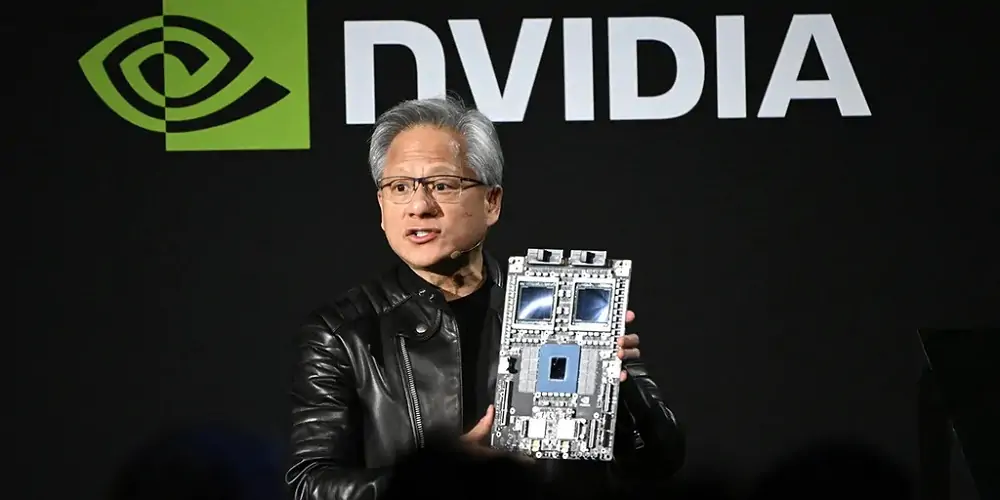
“You have to ask yourself, you know, what is the purpose of that narrative and what are their intentions. Why are they talking to governments about these things to create regulations to suffocate startups?” he said on the podcast.
Huang wasn’t the only one making noise on this front. Ahead of the 2026 U.S. midterm elections, Silicon Valley has already poured over $100 million into pro-AI Super PACs, most notably the “Leading the Future” PAC, backed by Andreessen Horowitz, OpenAI president Greg Brockman, and other major tech investors, all with the goal of electing candidates who support a lighter regulatory hand on AI development.
Does history back him up? It’s complicated
It’s a fair question to ask whether Huang has history on his side. And the honest answer is: partially.
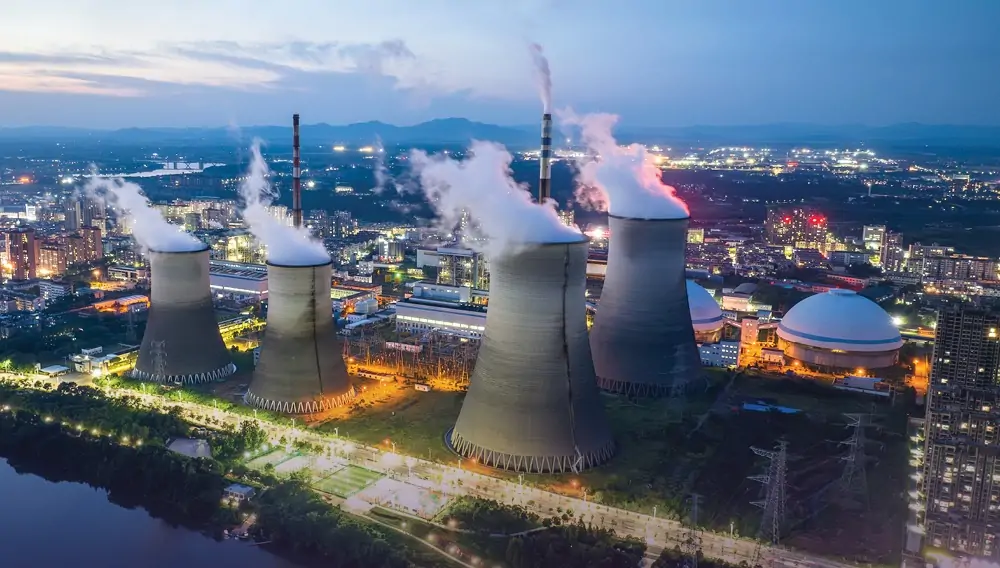
Take nuclear energy. After Three Mile Island in 1979, which caused no deaths and exposed nearby residents to less radiation than a chest X-ray, public fear derailed the entire industry anyway. Utilities cancelled plans for 39 reactors, and it took decades before a new plant application was even reviewed. The stricter regulations that followed did make plants meaningfully safer, so the scrutiny wasn’t worthless. But the industry’s near-collapse in the U.S. was driven more by panic than actual risk, and that stagnation shaped energy policy for a generation.
The internet offers a different but equally instructive lesson. The early internet grew explosively in the 1990s largely because it was treated as an “information service” exempt from heavy telecoms regulation, a deliberate policy choice that allowed investment to flow freely and innovation to compound fast. When heavier regulatory frameworks were later proposed or applied, economists and policymakers repeatedly found they dampened investment and slowed competition.
That’s not to say the internet has been a consequence-free zone, misinformation, privacy violations, and platform monopolies are very real problems that a lighter-touch regulatory environment helped enable. So the historical record cuts both ways: too much fear and regulation can stall transformative technology, but zero oversight tends to create its own category of damage down the road.
The criticism is real, and so are the concerns
Not everyone is buying what Huang is selling, and that’s worth noting.
Critics were quick to point out that while Huang pushes back hard against doomsday narratives, he hasn’t offered concrete answers to the problems AI is already causing in the real world. Job displacement is happening. AI-generated misinformation is a documented issue. Mental health concerns linked to AI-powered platforms are growing. These aren’t science fiction, they’re current events.
There’s also an elephant in the room nobody can ignore: NVIDIA is currently the most valuable company on the planet, with a market cap that has reached as high as $5 trillion, built almost entirely on the AI boom. The company’s chips power most of the AI models that are being debated globally. So when Huang pushes back against “doomer” narratives and regulation, the business incentive behind that position is hard to miss.
Huang does admit it’s “too simplistic” to dismiss either side of the debate entirely. His bet, at the end of the day, is that accelerating AI development and investment is the fastest path to making the technology safer and more useful. Whether that logic holds up depends on who you ask, and the conversation is only getting louder.
For the geek community especially, this debate hits close to home. AI is reshaping gaming through neural rendering and procedural generation, transforming visual effects in film and television, and creeping into just about every digital tool used daily. The technology is exciting. The questions being raised about it are legitimate. And figuring out where the line between healthy skepticism and outright resistance should land is something the entire industry, not just Jensen Huang, is still working out.
What do you think, is Jensen Huang right that all the doom talk is making things worse, or do you think the concerns around AI are too serious to just wave away? Drop your take in the comments. There are no wrong answers here… unless you say “AI will definitely take over the world by next Tuesday.” Then we need to talk.