



Japan’s logistics industry is speaking out against anime, specifically pointing to the infamous “Truck-kun” trope in isekai series as a major factor damaging the reputation of truck drivers and causing recruitment problems across the country.
A transportation manager in Shizuoka Prefecture voiced concerns to Weekly Logistics News in July 2024, explaining that the constant portrayal of trucks killing anime characters is creating real-world consequences for the industry.
The manager referenced subliminal messaging, arguing that viewers, especially children, are developing an unconscious fear of trucks after watching countless characters get hit and transported to another world. It’s a legitimate concern, even if it sounds like the setup to the most meta isekai plot ever written.
The phenomenon has become so prevalent that anime fans coined the term “Truck-kun” (sometimes called Truck-sama or Truck-chan) to describe the recurring plot device. The “-kun” honorific is typically used for boys or younger males, making it both endearing and darkly humorous that fans personified what is essentially anime’s most prolific serial killer.
Series like Mushoku Tensei: Jobless Reincarnation, which popularized the modern version of the trope in 2012, alongside KonoSuba, Zombie Land Saga, Didn’t I Say to Make My Abilities Average in the Next Life?!, and Wise Man’s Grandchild all feature this method of killing protagonists to kickstart their isekai adventures.
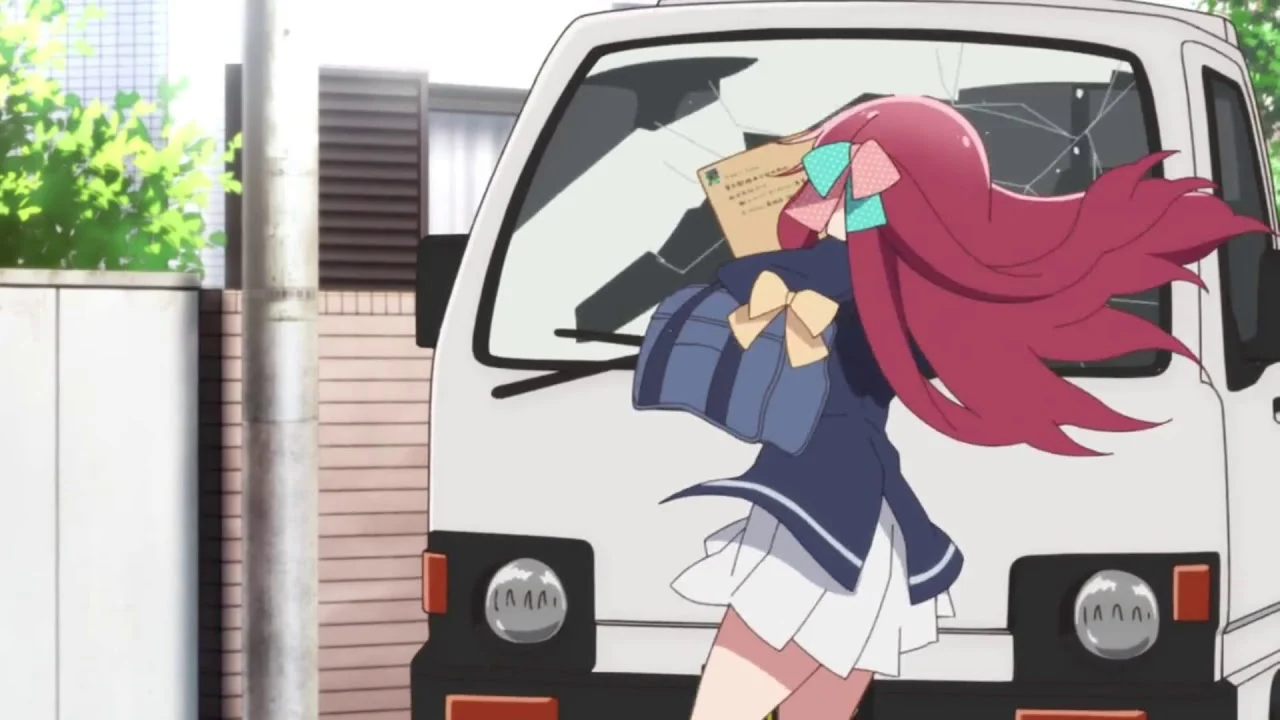
When fiction crashes into reality
The trucking industry reports that families are actively discouraging loved ones from becoming truck drivers, creating what they call a “parental block” or “spousal block” during recruitment.
This stigma compounds existing driver shortages plaguing Japan’s logistics sector. The situation has become serious enough that some commentators online suggested the industry should embrace it, after all, truck drivers are technically transporting people beyond the constraints of time, space, and multidimensionality.
Transportation companies have attempted to counter the negative perception through social media campaigns highlighting the positive contributions of truck drivers and the critical role they play in society. However, competing against the massive popularity of isekai anime, one of the most dominant genres in recent years, has proven difficult.
The Shizuoka manager emphasized they’re not calling for censorship or challenging freedom of expression, but rather hoping creators will consider portraying trucks in a more balanced light.
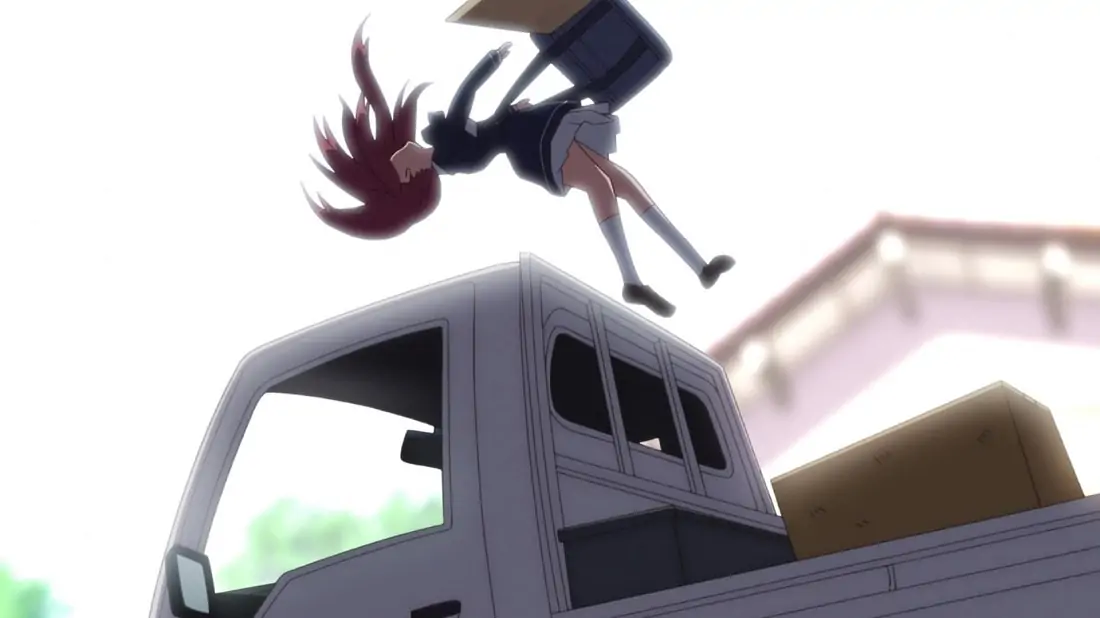
Not everyone agrees with the industry’s complaints. Some online commentators argued that trucks are simply effective storytelling devices for expressing the tragedy of accidental death, and that viewers who develop negative impressions aren’t thinking critically.
Others suggested the industry should focus on improving working conditions for drivers instead of blaming creative media. One commenter noted that passenger cars wouldn’t provide the same dramatic impact, and buses are perceived as too safe, only trucks can convey the necessary destruction, comparing them to a hydraulic press crushing a light car.
Truck-kun’s long career
While Truck-kun became a recognized meme around 2015 on Reddit, the use of vehicular deaths in anime dates back much further. Examples include Osamu Tezuka’s Astro Boy from the 1960s, where Tobio Tenma dies in a car accident, and the 1984 series Aura Battler Dunbine.
Even the 1982 anime Magical Princess Minky Momo featured the protagonist being killed by a truck before reincarnation. However, the isekai boom of the 2010s turned the truck accident into an instantly recognizable shorthand for character death and reincarnation.
Interestingly, KonoSuba famously subverted the trope, protagonist Kazuma Satou thought he was saving a girl from Truck-kun, but it was actually a slow-moving tractor that posed no real threat.
He died from shock, not impact, making his heroic sacrifice completely pointless. The goddess Aqua even mocked him for it, making his death perhaps the most humiliating in isekai history.
So is Truck-kun really ruining the trucking industry’s reputation, or is this just another case of blaming fiction for real-world problems? Let us know what you think!