



The battle between gaming giant Nintendo and indie developer Pocketpair just took an unexpected turn. Japan’s Patent Office has thrown a wrench into Nintendo’s legal strategy by rejecting one of their key patents, and the reasoning behind this decision could spell trouble for their entire case against Palworld.
A critical patent falls apart
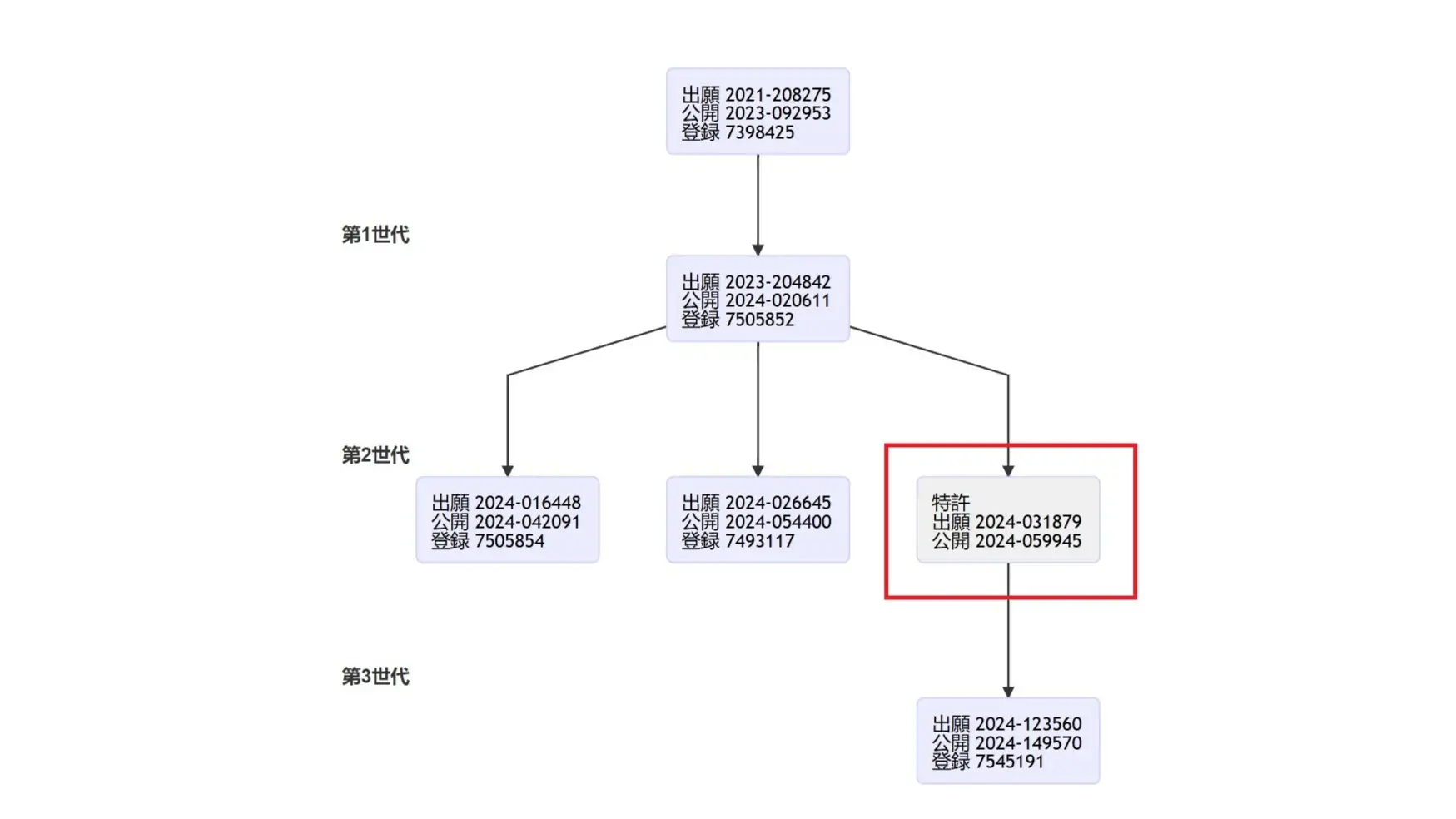
The rejected patent, filed as 2024-031879, sits in a particularly awkward position within Nintendo’s patent portfolio. It’s nestled directly between two other patents that Nintendo is actively using in their Tokyo District Court lawsuit against Pocketpair. Think of it as the middle child in a family of related filings, and this middle child just failed to prove it brought anything new to the table.
The Japan Patent Office’s verdict was clear: the patent lacks an “inventive step.” In simpler terms, there’s nothing particularly original about it. The examiners pointed to a lineup of games that already featured similar mechanics years before Nintendo filed this patent: ARK: Survival Evolved, Monster Hunter 4, Craftopia, Kantai Collection, and even Nintendo’s own Pokémon GO.
For Palworld fans, especially those who discovered the game through Xbox Game Pass, this development validates what many have been saying all along: Palworld didn’t steal ideas from Pokémon. Instead, it drew inspiration from a rich history of creature-collection and survival games that have been around for years.
Understanding the patent family tree
Here’s where things get interesting. Patents don’t exist in isolation, they often come in families, with newer applications branching off from older ones. According to GamesFray’s detailed breakdown, the rejected patent descends from a 2023 filing (JP7505852) that Nintendo already secured and is using in court. Another granted patent (JP7545191) branches off in a different direction, also weaponized in the lawsuit.
This family structure is crucial. When one patent in a closely-related group gets rejected for lacking originality, it casts doubt on its siblings. If the Patent Office says this particular “monster capture” mechanic isn’t inventive enough to deserve protection, what does that say about the nearly identical patents Nintendo is betting their case on?
The legal principle here is straightforward: if multiple patents claim variations of the same basic idea, and one fails because that idea already existed in prior games, the others are vulnerable to the same criticism.
The mysterious third-party submission
Plot twist: someone submitted evidence of prior art to the Japan Patent Office earlier this year, and that submission directly led to this rejection. The JPO doesn’t publicly identify who made the submission, but the timing is telling.
Pocketpair filed similar evidence with the Tokyo District Court back in April 2025. Their legal team compiled an impressive catalog of games demonstrating that Nintendo’s claimed mechanics have been industry standard for years: ARK, Tomb Raider, The Legend of Zelda, Titanfall 2, Rune Factory 5, and more.
They even went further, citing player-created modifications like Pixelmon (a Pokémon mod for Minecraft) and NukaMon (a Fallout 4 mod) as examples of how these game mechanics have been part of the creative commons long before Nintendo claimed ownership.
Nintendo’s response to the mod argument was eyebrow-raising. They suggested that mods shouldn’t qualify as prior art, essentially arguing that player-created content doesn’t count as “publicly known” technology. It’s a stance that many found contradictory to the collaborative spirit of game development.
What this means for the courtroom battle
Let’s be clear: this Patent Office rejection doesn’t automatically win the case for Pocketpair. The Tokyo District Court operates independently and will make its own determination. However, judges frequently give considerable weight to patent examiners’ technical assessments, even when they’re not legally required to follow them.
Nintendo’s core argument, that they’ve patented truly innovative gameplay mechanics, just got significantly harder to defend. When your own country’s patent authority declares that your claimed invention isn’t original, your credibility takes a serious hit.
The pressure is mounting on Nintendo’s remaining patents in the lawsuit. Reports indicate that Nintendo has already modified their third patent-in-suit during the litigation process, a move that often signals weakness in the original claims.
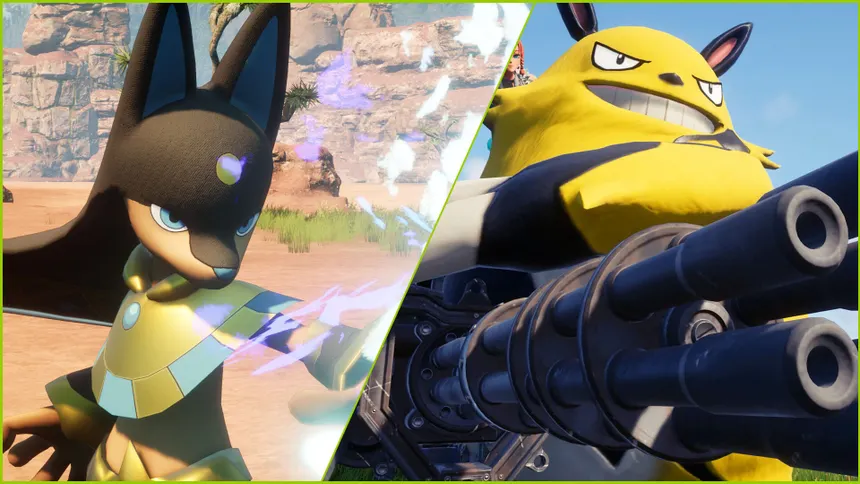
There’s also an intriguing rumor circulating: Nintendo may be developing a Pokémon spinoff that incorporates survival-game elements similar to Palworld’s design. If true, this could explain Nintendo’s aggressive pursuit of broad mechanical patents. It’s not just about shutting down Palworld, it might be about clearing the competitive landscape for their own entry into the survival-creature-collection genre.
The clock Is ticking
Nintendo now faces a 60-day deadline (from the October 22 notice) to respond to the rejection. They have two primary options: amend the patent claims to address the examiner’s concerns, or challenge the decision with counterarguments. If neither approach works, they can appeal, which would likely push any final resolution well into 2026.
Meanwhile, the main lawsuit continues to unfold at the Tokyo District Court, but Nintendo’s position looks increasingly precarious. If additional patents in their portfolio face similar rejections, their case could crumble.
A David vs. Goliath story in real time
What makes this saga particularly compelling is watching Pocketpair’s defense strategy succeed in real time. By meticulously documenting how games like ARK and Monster Hunter pioneered the mechanics Nintendo claims to own, they’re not just defending themselves, they’re defending the entire indie game development ecosystem.
Game mechanics have always evolved through shared innovation and iteration. No single company invented “capturing creatures” or “survival crafting” or “throwing projectiles at targets.” These concepts have been refined and combined by countless developers over decades.
The Japan Patent Office’s decision acknowledges this reality. Whether the courts will follow suit remains to be seen, but for now, Pocketpair has won an important symbolic victory. The conversation has shifted from “Did Palworld copy Pokémon?” to “Can Nintendo really claim ownership over fundamental game mechanics that everyone has been using for years?”
The answer to that second question is looking more and more like “no.”