



When you think of Guillermo del Toro, your mind probably jumps to his Oscar-winning films or his incredible creature designs. But there’s another side to the Mexican filmmaker that often gets overlooked: his deep, almost obsessive passion for video games. This isn’t just casual fandom, del Toro has genuine, revolutionary ideas about where the gaming industry could go.
More Than Just a Collector
Walk into del Toro’s legendary collection, and you’ll find yourself surrounded by an impressive array of pop culture artifacts. Films, comics, action figures, it’s all there. But nestled among these treasures is something that reveals a deeper connection: his video game collection. For the Guadalajara-born director, gaming isn’t just another hobby. It’s a medium with untapped potential that fascinates him on a creative level.
Del Toro has made it abundantly clear over the years that he doesn’t just consume games, he thinks about them, dissects them, and envisions how they could evolve. This became particularly evident during his involvement with Silent Hills, the ill-fated collaboration with legendary game designer Hideo Kojima that could have changed horror gaming forever.
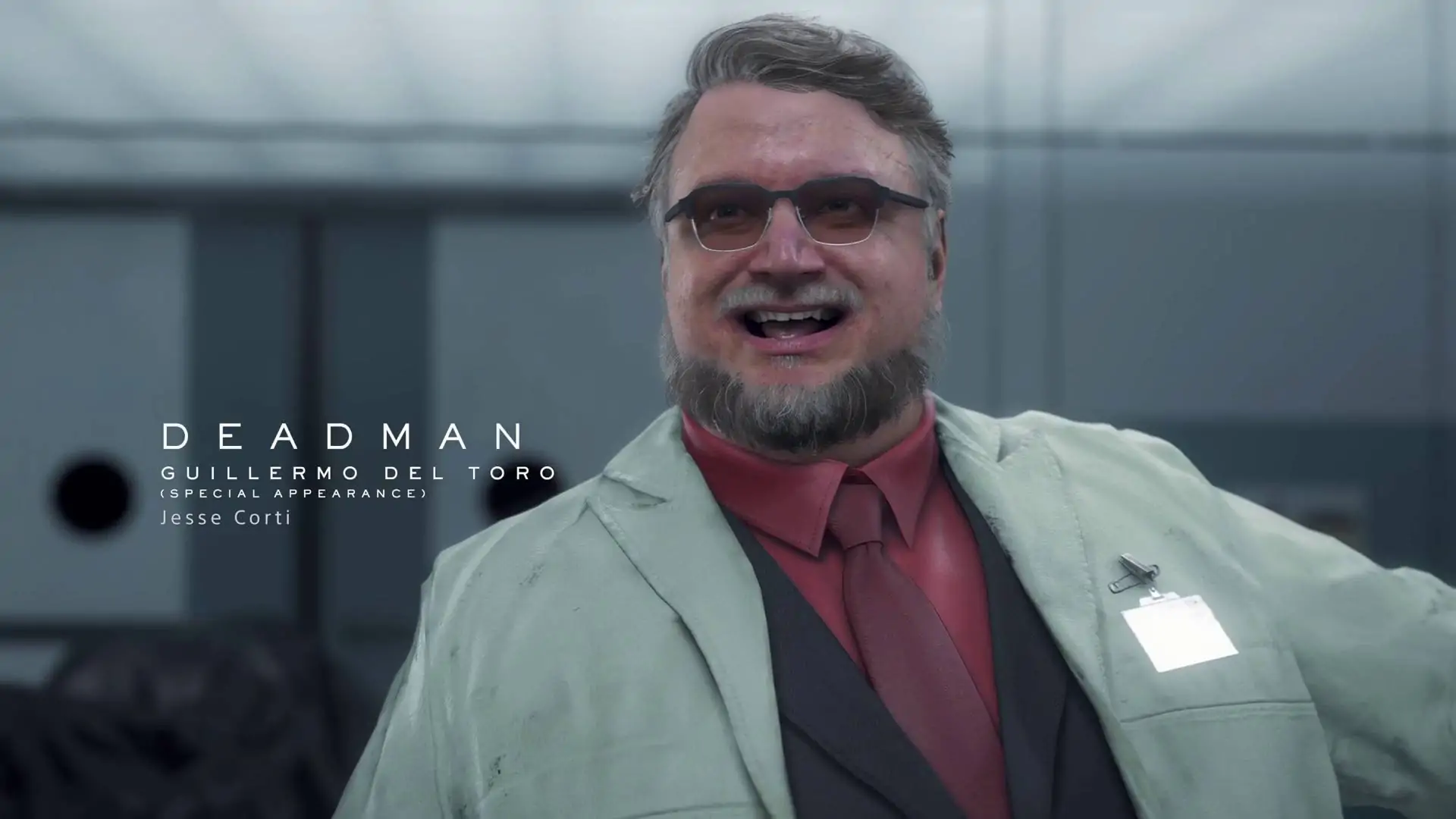
A Creative Mind Meets Interactive Media
The director’s love for gaming runs parallel to that of his friend Kojima. Del Toro has openly praised masterpieces like Shadow of the Colossus, Ico, and Bioshock, games that prioritize atmosphere and emotional storytelling. But his interest goes beyond appreciation. He’s drawn to the unique possibilities of interactive narrative, the way video games can create experiences that cinema simply cannot replicate.
What excites del Toro most is the fusion of cinematic storytelling with gaming technology. He sees the potential for something entirely new, experiences that leverage the best of both mediums to create something that’s neither purely film nor purely game, but something transformative.
Silent Hills represented his chance to bring these ideas to life. Working alongside Kojima and with Norman Reedus attached as the protagonist, the project promised to push the boundaries of what horror games could achieve. Then Konami pulled the plug, and those ambitious concepts remained trapped in the realm of “what could have been.” Yet they never truly left del Toro’s imagination.
The Revolutionary Concepts That Almost Were
In a revealing conversation with Bloody Disgusting, del Toro opened up about the extensive conceptual work done during Silent Hills’ development. Together with Kojima Productions, they crafted innovative mechanics and design philosophies that were genuinely ahead of their time. Some of these ideas, interestingly enough, would later surface in other groundbreaking titles like The Last of Us.
The cornerstone of del Toro’s approach was rethinking how horror works in games. Rather than relying solely on visual scares, he wanted terror to emerge from interaction and environment. The goal was to create persistent unease, a feeling that would crawl under your skin and stay there, driven by how you engaged with the game world itself.
Speaking with IGN, del Toro elaborated on the technical ambitions behind Silent Hills. The team wanted to push cutting-edge technology to its limits, implementing dynamic environmental manipulation and real-time object interaction in ways that hadn’t been done before. It’s fascinating to note that years later, Resident Evil 7 would incorporate similar mechanics, suggesting del Toro’s vision was prescient.
A Tragedy for Gaming
The cancellation of Silent Hills remains a sore spot for fans and a genuine loss for the industry. Del Toro’s vision wasn’t just about technical innovation, it represented a narrative and atmospheric revolution. He wanted to prove that games could transcend mere entertainment, becoming emotionally immersive, deeply unsettling, and ultimately cathartic experiences, much like the best cinema.
His ideas continue to serve as a reference point for what gaming could achieve in terms of atmosphere and storytelling. While Silent Hills never materialized, the lessons from del Toro’s vision remain clear and compelling. Video games have the capacity to be profoundly affecting art forms, experiences that don’t just entertain but genuinely move us, disturb us, and ultimately transform us.
The gaming world is still waiting for someone to fully realize the kind of vision Guillermo del Toro had in mind. Until then, we’re left wondering what masterpiece was lost when Silent Hills vanished into the fog.