



If you’ve ever wondered why your wallet takes a double hit every time a new Pokémon generation drops, you’re not alone. That nagging question, “Why do I need to buy two versions of essentially the same game?”, has haunted fans since 1996. Turns out, this brilliant (or devious, depending on your bank account) strategy was born from a playful jab at Nintendo’s most famous plumber.
Shigeru Miyamoto, the legendary mind behind Mario and The Legend of Zelda, recently pulled back the curtain on one of gaming’s most enduring mysteries. And honestly? The origin story is almost as entertaining as the games themselves.
A friendly challenge between creators
Picture this: It’s the mid-90s, and Satoshi Tajiri is working on what would become one of the most successful franchises in entertainment history. During a conversation with Miyamoto, Tajiri drops what seems like a joke, but with a kernel of truth that would reshape gaming forever.
“A long time ago, Tajiri-san, the director of Pokémon, before creating the first Pokémon game, joked with me and said, ‘If you want to surpass Mario, you can’t do it unless you sell two copies of the game to each customer.’ That’s one of the reasons Pokémon Red and Green were born,” Miyamoto revealed.
Now, was Tajiri being completely serious? Probably not entirely. But here’s the thing about great ideas, sometimes they start as half-jokes that someone decides to actually try. And boy, did it work.
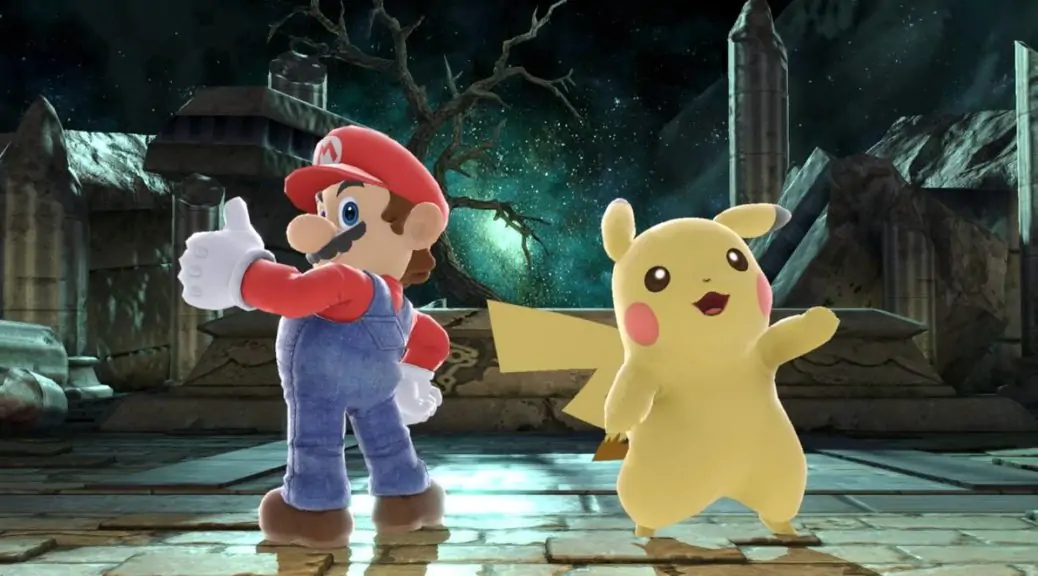
The strategy that conquered Mario
Let’s be real: beating Mario in sales is no small feat. We’re talking about gaming royalty here, the mustachioed icon who basically built Nintendo’s empire brick by brick. But Tajiri’s cheeky strategy, combined with genuinely innovative gameplay mechanics, actually pulled it off.
The dual-version approach wasn’t just about doubling sales (though that certainly didn’t hurt). It tapped into something deeper, the social aspect of gaming. By making certain Pokémon exclusive to each version, Game Freak created a built-in reason for players to connect, trade, and interact. You couldn’t just grind your way to a complete Pokédex; you needed friends, link cables, and a whole lot of negotiation skills.
That first generation didn’t just meet Mario’s sales numbers, it surpassed them. The joke became reality, and the gaming world would never be quite the same.
A tradition nearly three decades strong
What started on the humble Game Boy screen has evolved into an unbreakable tradition. Every mainline Pokémon release since then has followed the same formula: two versions at launch, each with their own exclusive creatures, and occasionally a third enhanced edition rolling out later to keep the momentum going.
Sure, there were probably other factors behind the decision to split the games into two versions. Game design considerations, technical limitations of the era, and the desire to encourage that social trading element all played their parts. But knowing that it began with Tajiri essentially saying, “Watch me sell this game twice to the same people and make them happy about it”? That’s the kind of confident creativity that defines legendary game developers.
Nearly 30 years later, fans still line up to buy both versions, debate which legendary Pokémon looks cooler on the box art, and plan their trading strategies before launch day. Some call it genius marketing. Others call it a brilliant exploitation of completionist tendencies. Either way, it’s a testament to how a simple joke between two creative minds can evolve into a defining feature of a global phenomenon.
The next time you’re standing in a store (or hovering over a digital checkout) debating whether to grab both versions, just remember: you’re participating in gaming history that started with one creator playfully trolling another about outselling Mario. And honestly? That makes the double purchase almost feel worth it.
Almost.