



While the gaming industry continues its heated debate about artificial intelligence, Hideo Kojima has made his position crystal clear. The legendary creator behind Metal Gear Solid and Death Stranding isn’t interested in using AI to generate visuals or art. Instead, he’s got his sights set on something far more interesting: revolutionizing how enemies think and react to your playstyle.
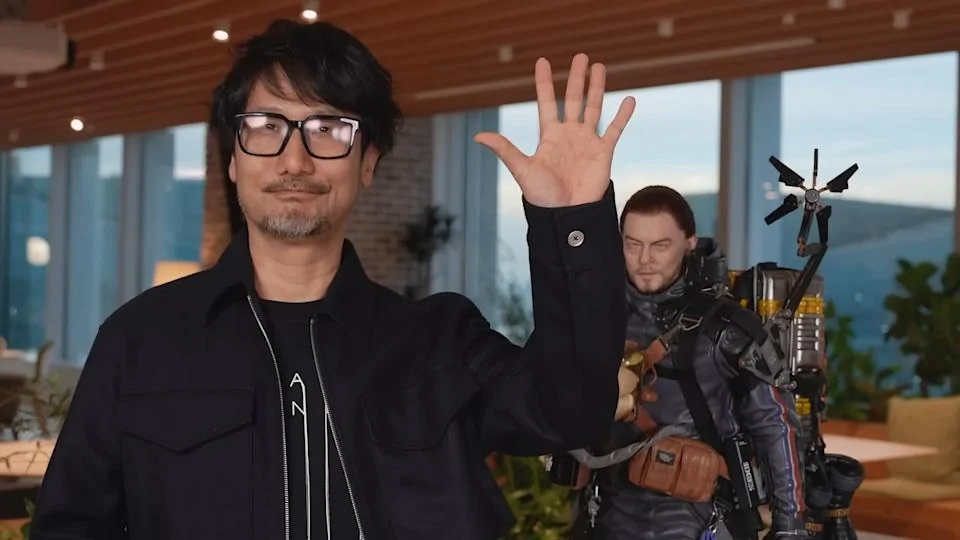
In a recent interview with CNN, Kojima explained his vision for AI in games. He wants to use the technology for control systems rather than content creation. The idea is simple but brilliant: every player has unique habits, movement patterns, and decision-making tendencies. Traditional enemy AI follows predictable patterns that players can exploit once they figure them out. Kojima sees AI as the key to changing that dynamic entirely.
Why Kojima’s approach makes sense
The Metal Gear mastermind pointed out something most gamers already know: enemies in games don’t really behave like humans. They follow scripted routines and limited logic trees. But imagine enemies that study how you play and adapt accordingly. If you always take the stealthy route, they’d learn to check hiding spots more carefully. Rush in guns blazing every time? They’d set up better defensive positions.
This isn’t just theoretical talk either. Games like Alien: Isolation already showed us what sophisticated enemy AI can do. The Xenomorph in that game became genuinely terrifying because it learned from player behavior, making every encounter feel unpredictable and tense. Kojima’s vision takes that concept and scales it up, using modern AI to create enemies that respond to individual player patterns in real time.
The anti-generative AI stance
Hideo Kojima has been consistent about keeping generative AI away from the creative parts of game development. He’s made it clear he won’t use AI to create visuals, art, or core creative elements at Kojima Productions. This aligns with his previous statements about letting AI handle tedious tasks while human creators maintain full control over artistic direction and storytelling.
This approach feels particularly relevant given the current industry climate. While some studios have embraced AI-generated content, Kojima’s stance reinforces the value of human creativity in games. It’s a refreshing take that prioritizes using technology to enhance gameplay depth rather than replacing artists and designers.
What this could mean for future games
While Kojima didn’t confirm whether this AI enemy system is being implemented in any specific project, he’s currently working on multiple titles including the horror game OD and the espionage-focused PHYSINT. Either could potentially showcase this adaptive enemy AI concept. Imagine playing a Hideo Kojima stealth game where guards genuinely learn from your tactics across multiple playthroughs, forcing you to constantly evolve your strategy.
The beauty of Kojima’s vision is that it uses AI to solve a real problem in gaming: making enemies feel more human and less like automatons following simple scripts. It’s the kind of innovation that could genuinely change how we experience games, especially in stealth and action genres where enemy behavior directly impacts gameplay satisfaction.
Want more updates on Kojima’s latest projects and everything happening in the gaming world? Follow Geek Realm Hub on Facebook and stay in the loop with all the geek culture news that matters!