


Found footage remains one of the most underrated subgenres in horror, despite having produced some of the most original films of the last three decades.
From the classics that defined the format to international gems virtually unknown outside their home countries, this list brings together twenty-five essential titles for any genre fan
The classics that defined the genre
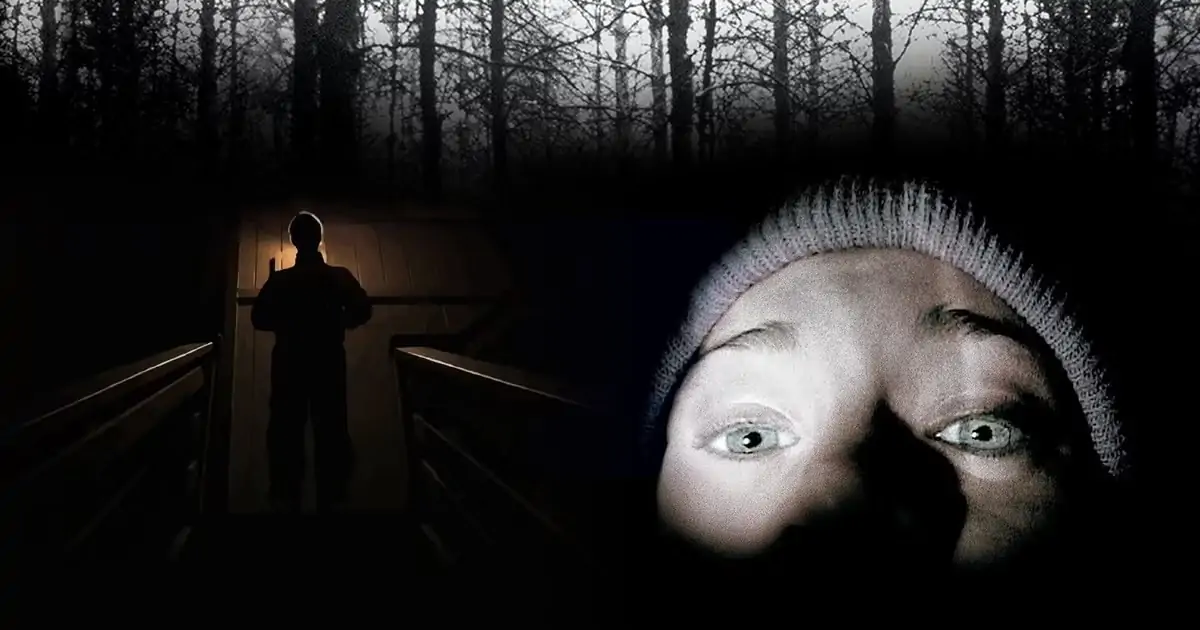
The Blair Witch Project premiered in 1999 under directors Eduardo Sánchez and Daniel Myrick, becoming one of the first feature films to use the found footage technique on a massive scale.
The story follows three film students who venture into the Maryland woods to document a local legend and never return. Its marketing campaign, which presented the disappearances as real events, went viral before that term even existed in common vocabulary. The film grossed more than $248.6 million on a budget of just $60,000.
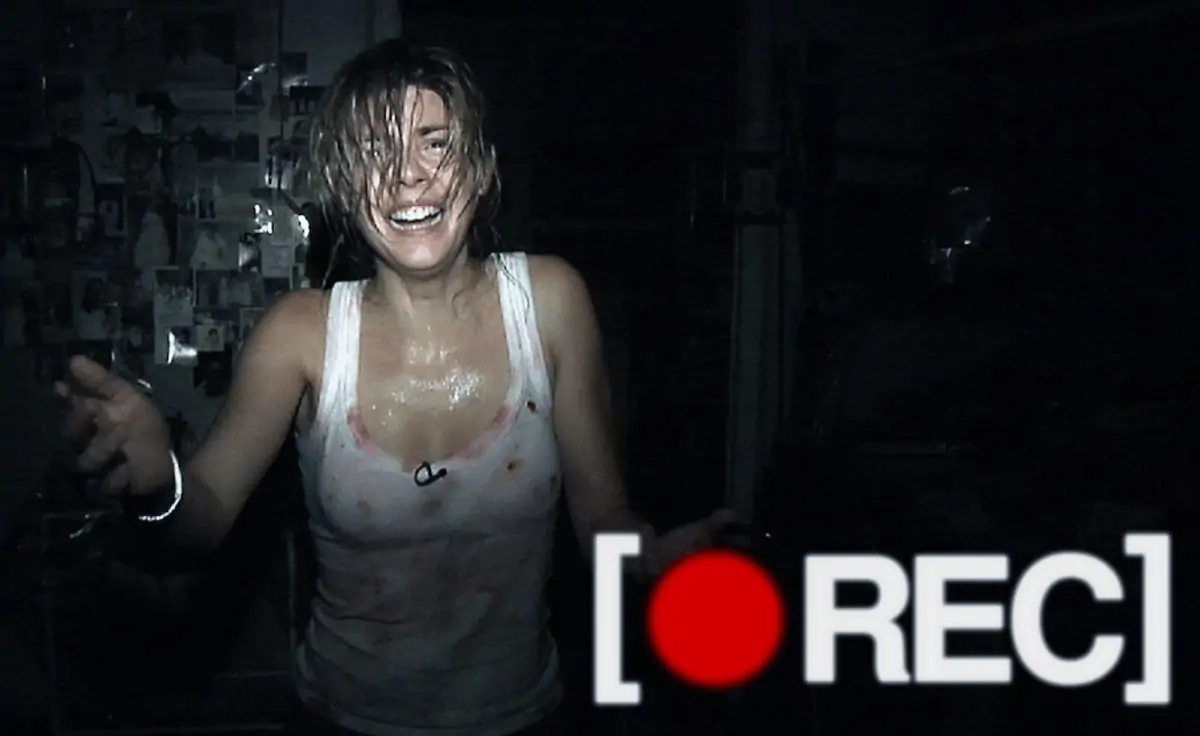
[REC] arrived in 2007 under directors Jaume Balagueró and Paco Plaza, becoming one of the most effective entries in the genre. Reporter Ángela and her cameraman Pablo are covering the night shift of a Barcelona fire crew when they receive a report about an elderly woman trapped in her apartment. What starts as a routine call escalates into one of the most terrifying final sequences in horror cinema.
Quarantine (2008), directed by John Erick Dowdle and co-written with his brother Drew, is the American remake of [REC], following the same premise: a news reporter and her cameraman get trapped inside a quarantined apartment building during a viral outbreak.
The film stars Jennifer Carpenter and sticks closely to the found footage format of the original, though with a different explanation for the source of the infection. Reactions were mixed compared to the Spanish original, but it remains one of the more effective American remakes of a foreign horror film.
Cloverfield premiered in 2008 under director Matt Reeves and producer J.J. Abrams. The plot follows a group of friends in New York during a going-away party that turns into a nightmare when a massive monster attacks the city. The decision to limit the viewer’s perspective to what one character’s camera could capture created a sense of genuine chaos, without ever offering a clear view of the creature.
Paranormal Activity, written and directed by Oren Peli, had its first festival screenings in 2007 and its commercial release in 2009. The film took a radically different approach: no chases, no monsters in the streets, just a couple being tormented by an invisible presence inside their own home. The low budget and the scenes where seemingly nothing happens built a tension its sequels never managed to replicate.
Hidden gems that deserve more recognition
UFO Abduction (1989), also known as The McPherson Tape, was written, directed, and produced by Dean Alioto on a budget of just $6,500, and is now considered one of the earliest found footage films ever made, predating The Blair Witch Project by a decade.
The story follows a family’s birthday celebration that’s interrupted by an alien encounter, all captured on a single camcorder. After the original master copy was destroyed in a warehouse fire, bootleg copies began circulating among UFO enthusiasts with the credits removed, and for years many believed the footage depicted a real abduction.
The Last Broadcast (1998), written, produced, and directed by Stefan Avalos and Lance Weiler, predates The Blair Witch Project by a year and follows a filmmaker investigating the disappearance of a public-access TV crew that vanished while searching for the legendary Jersey Devil in the New Jersey Pine Barrens. Made on a budget of roughly $900, it was the first all-digital feature film distributed via satellite, and it’s frequently cited as a foundational work in shaping the found footage format that Blair Witch would later popularize.
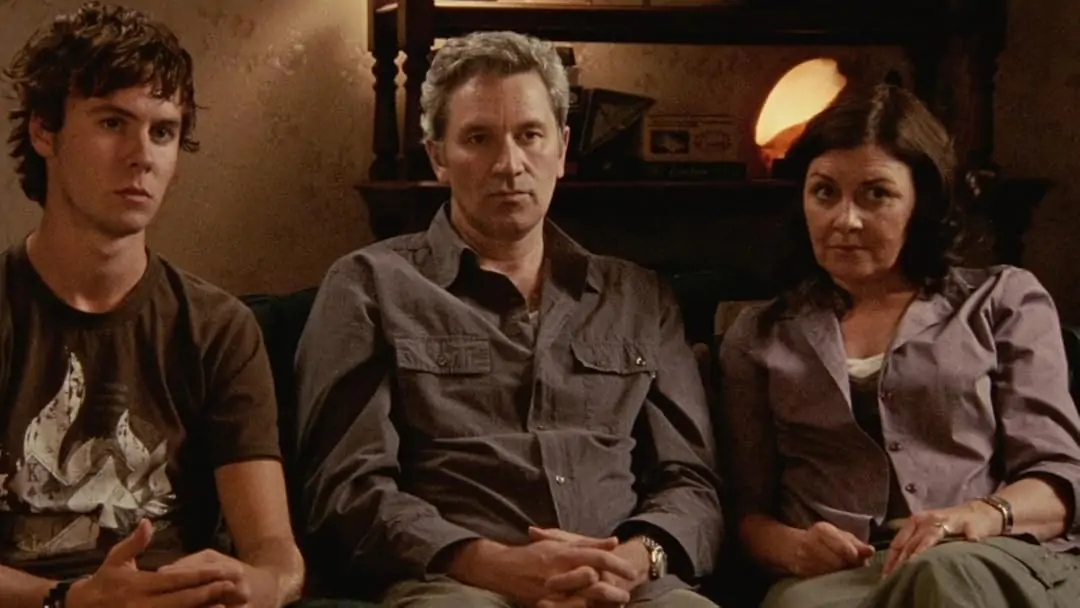
Lake Mungo, written and directed by Joel Anderson in 2008, is presented in pseudo-documentary format with elements of found footage. The story follows an Australian family trying to process the death of their daughter Alice, who drowns in a local dam, and the seemingly supernatural events they experience afterward. Its final reveal recontextualizes the entire film and makes it one of the most devastating entries in the subgenre.
Noroi: The Curse, directed by Koji Shiraishi in 2005, presents a supposedly cursed tape recorded by paranormal investigator Masafumi Kobayashi before his house burned down and his body was never recovered. The film builds its horror slowly and methodically, weaving together multiple seemingly unconnected supernatural threads into something deeply unsettling.
The Taking of Deborah Logan (2014) marked Adam Robitel’s directorial debut. The plot follows a documentary crew led by medical student Mia, who arrives at the home of Deborah Logan and her daughter Sarah to document Deborah’s progression with Alzheimer’s. What begins as a family portrait gradually transforms into something far more sinister. The film never received a theatrical release, despite holding a 92% approval rating on Rotten Tomatoes.
The Borderlands (2013), known in the US as Final Prayer, marked Elliot Goldner’s debut as writer and director. The story follows a team of Vatican investigators sent to a recently reopened 13th-century church in Devon, England, to investigate a possible miracle. What they find turns out to be far older and far less benevolent. Guillermo del Toro called it an “unknown gem,” and one of its most memorable moments involves an easy-to-miss visual detail on a gravestone in the church cemetery.
Trollhunter (2010), written and directed by André Øvredal, is a Norwegian mockumentary following a group of students who discover that trolls are real and that a secret government agency is responsible for keeping them hidden from the public. The film plays its premise completely straight, with impressive practical-effects creatures and a dry Norwegian humor that gives it a unique identity within the genre.
Creep (2014), directed by Patrick Brice and starring Mark Duplass, follows a videographer who answers an ad to record an eccentric client for a day. The ambiguity around Josef’s true intentions is the film’s central engine, and it has since become a cult classic considered one of the best found footage films ever made.
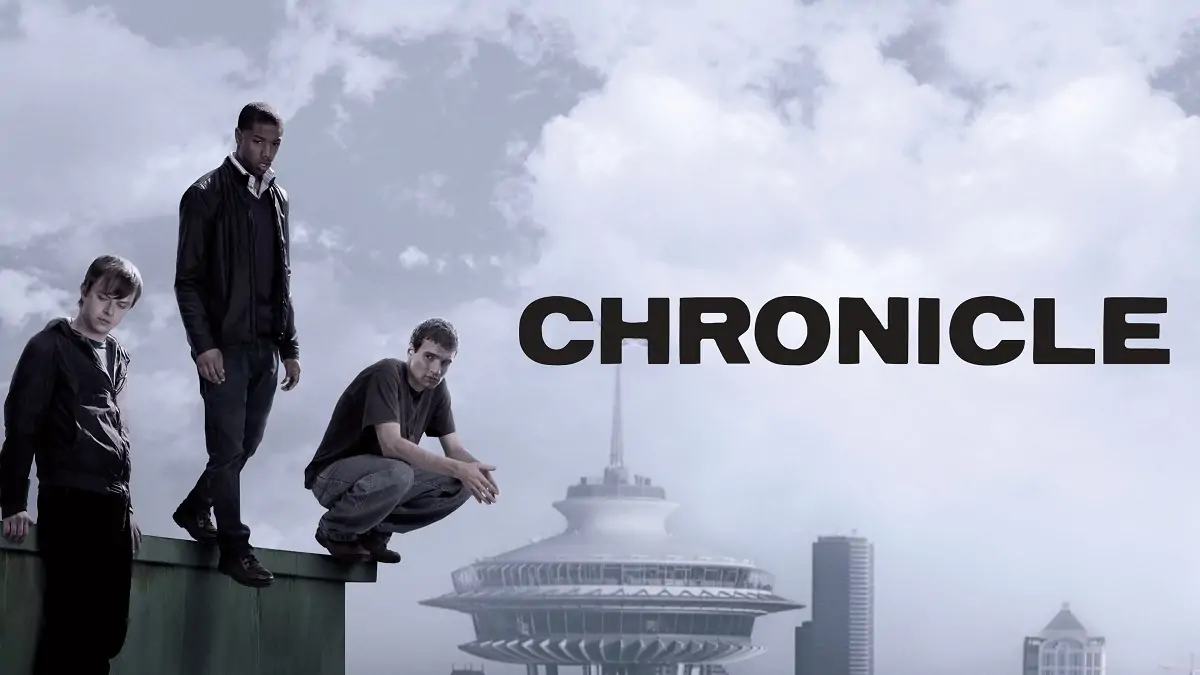
Chronicle (2012), directed by Josh Trank in his debut and written by Max Landis, follows three Seattle high school seniors who form a bond after gaining telekinetic powers from an unknown object. They first use their abilities for mischief and personal gain, until one of them turns to darker purposes. The film grossed $126.6 million on a $12 million budget, and received an 85% approval rating on Rotten Tomatoes.
Willow Creek (2013), written and directed by comedian Bobcat Goldthwait, follows a couple who travels into the California wilderness to search for evidence of Bigfoot. The film leans heavily on atmosphere, with its most acclaimed sequence being an extended single-take scene inside a tent at night, where almost nothing is shown but the tension becomes unbearable. Critics generally praised it as a smart, restrained entry that proved the Bigfoot subgenre still had room for genuine dread.
Grave Encounters (2011), written and directed by the Vicious Brothers, follows the crew of a paranormal reality show who lock themselves overnight inside the abandoned Collingwood Psychiatric Hospital for what becomes their final episode. Made on a budget of just $120,000, the film leans into the found footage premise by presenting itself as recovered footage from a crew that disappeared during filming, and its trailer became a viral sensation with over 30 million views.
International entries that prove the genre has no borders
La cueva (2014), also known as In Darkness We Fall, was directed by Alfredo Montero. The story follows five friends on vacation on the island of Formentera who decide to explore a remote cave, a decision that could cost them their lives. The premise plays like a mix of [REC], The Blair Witch Project, and a survival story about people pushed to their limit.
Jeruzalem (2015), written and directed by Israeli brothers Doron and Yoav Paz, follows two American friends who travel to Jerusalem on vacation and end up trapped in a nightmare of biblical proportions. The entire film is shot from the perspective of a pair of internet-connected smart glasses, creating a constant stream of pop-ups, location tags, and video calls layered over the chaos.
As Above, So Below (2014), directed by John Erick Dowdle and co-written with his brother Drew, follows a documentary crew exploring the Catacombs of Paris in search of the legendary Philosopher’s Stone. It was the first film ever permitted to shoot in the actual catacombs, a network of tunnels holding the remains of more than six million people. The film’s structure is deliberately modeled on Dante’s Inferno, with each level of the catacombs corresponding to a different circle.
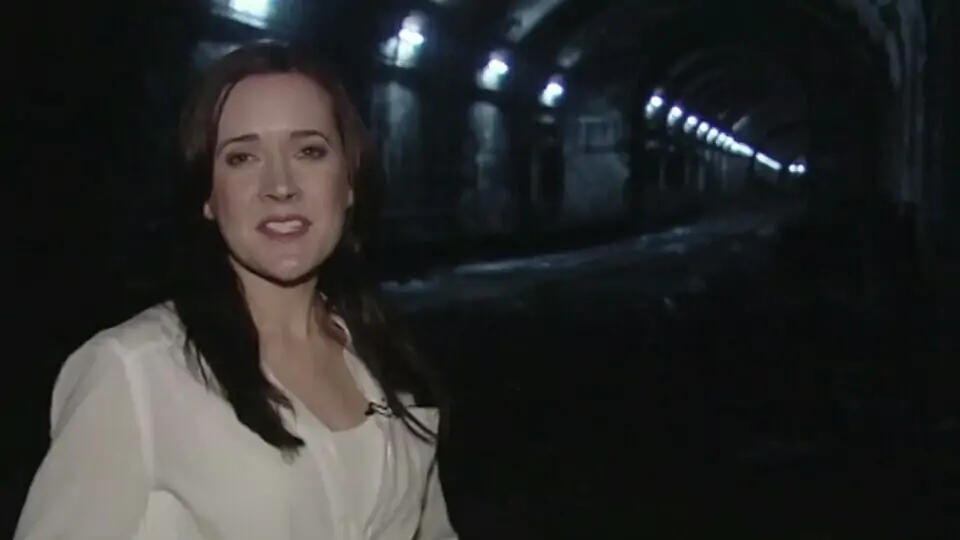
The Tunnel (2011), directed by Carlo Ledesma in his debut, follows journalist Natasha and her crew as they investigate a government cover-up in a network of abandoned train tunnels beneath Sydney. The production was crowdfunded and builds nearly all of its horror through atmosphere and claustrophobia.
Gonjiam: Haunted Asylum (2018), directed by Jung Bum-shik, was South Korea’s first found footage film and the first to combine the technique with the format of a YouTube livestream. The story follows a group of horror content creators who decide to livestream their exploration of the Gonjiam Psychiatric Hospital, a real location that CNN once listed among the world’s freakiest places. The film became the third most-watched horror film in South Korean history and grossed over twenty million dollars on a $2.2 million budget.
Incantation (2022), directed by Kevin Ko, follows a woman named Li Ronan who directly asks the viewer to memorize a symbol and recite an incantation to lift a curse affecting her six-year-old daughter. It’s folk horror deeply rooted in Taiwanese culture, and its decision to break the fourth wall creates a personal unease rare for the genre. It remains the highest-grossing Taiwanese horror film of all time.
Modern entries that prove the genre is still alive
Host (2020), directed by Rob Savage during the COVID-19 lockdowns, was shot on a budget of roughly $100,000 and unfolds entirely over Zoom, following a group of friends whose online séance goes horribly wrong. Savage filmed the cast in separate locations and played back the scares to them in real time to capture genuine reactions. The film runs under 60 minutes and doesn’t waste a second.
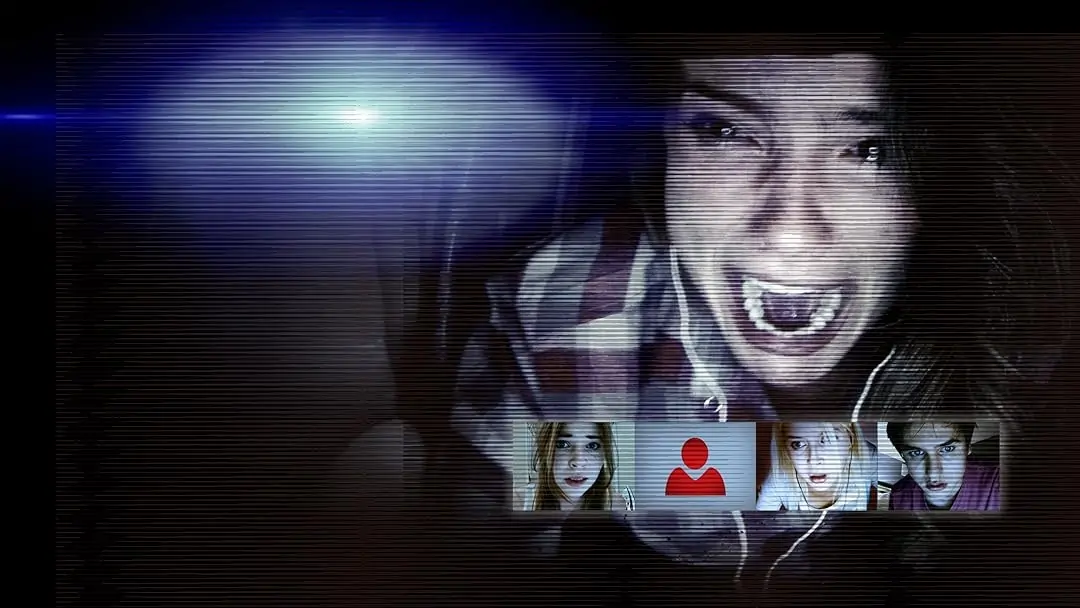
Unfriended (2015), directed by Levan Gabriadze, plays out entirely on a teenager’s laptop screen. The plot follows six high school students on a Skype call that’s interrupted by the account of a former classmate who took her own life a year earlier, after a humiliating video of her went viral. The film was made on a $1 million budget and grossed nearly $63 million worldwide.
V/H/S (2012) is the anthology entry that reminded the genre how much creative territory it still had left to explore. The story follows a group of criminals hired to break into a house and retrieve a specific VHS tape, where they find a dead body and a massive collection of disturbing tapes, each one a found footage short directed by a different filmmaker.
So, have you seen any of these? Tell us which one is your all-time favorite found footage pick!