



DuckStation, one of the most popular PlayStation 1 emulators available, has confirmed it will no longer receive updates for its Android version. The decision came directly from the project’s lead developer, known as Stenzek, who made it clear in a public exchange with a user that Android support is effectively over.
When asked whether the Android version would receive future updates, Stenzek replied: “No, because I don’t have time and android users told me they don’t want updates,” and when the user expressed disappointment, he added: “I don’t have the time nor energy to do something I’ll mostly get negativity for.”
The last update to DuckStation on Android was made on May 2nd, 2025, and that will be the last one going forward. The app remains available on the Play Store and still works, but without active maintenance on a platform that evolves constantly, its days as a reliable option are numbered.
A tool that redefined PS1 emulation on mobile
Development on DuckStation began in August 2019, created by Stenzek, already a known figure in the emulation community for his contributions to the Dolphin emulator. The project was built from the ground up with a clear goal: deliver the most accurate and performant PlayStation 1 emulation possible while keeping the experience accessible to everyday users.
DuckStation quickly surpassed longtime staples like ePSXe and PCSX-Reloaded, earning its reputation through incredible emulation accuracy, a comfortable Qt-based interface, and a solid level of game compatibility. On Android specifically, it became the go-to recommendation across emulation communities on Reddit and Discord, and it earned that status through consistent updates and a feature set that no competitor could match.
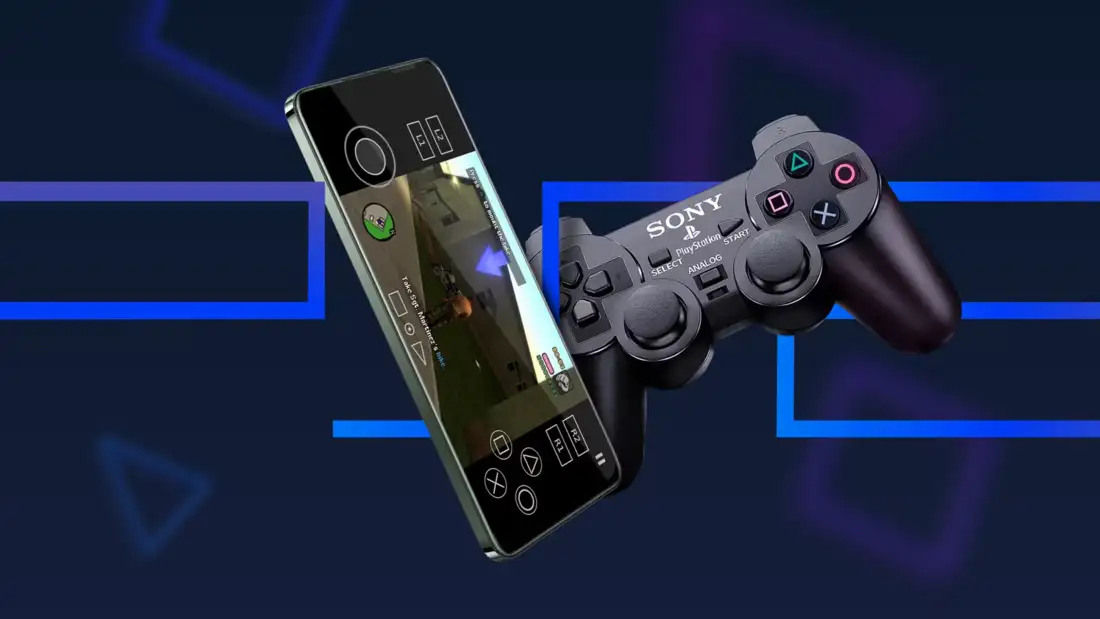
The emulator stood out for its fast CPU emulation, high game compatibility, widescreen hacks, texture filtering, PGXP geometry correction to eliminate the notorious polygon wobble of PS1-era 3D graphics, and robust save state support. PGXP alone was a landmark feature, original PlayStation hardware produced visibly unstable geometry in 3D games, and DuckStation’s implementation corrected that entirely, giving classic titles a visual stability they never had on real hardware. On capable Android phones, users could push internal resolution well above native and still maintain full-speed performance in demanding titles.
His note on the repository is blunt: “No support is provided for the Android app; it is free, and your expectations should be in line with that. Please do not email me about issues about it, or ask for help, you will be ignored.” That statement did not appear overnight. It is the result of years of accumulated frustration that the emulation community largely brought on itself.
Years of toxicity pushed the developer to the limit
The story behind this decision goes back much further than March 2026. In November 2022, Stenzek revealed in a Discord conversation that he had received death threats over allegedly breaking Windows 7 compatibility in PCSX2, another emulator project he contributed to. The incident illustrated how quickly segments of the emulation community can turn hostile over even minor technical decisions, directed at developers who are contributing their time for free.
The corporate side of the problem compounded things further. Arcade1Up was found to have used DuckStation in its arcade cabinets to power The Simpsons Bowling without providing proper credit or contributing back to the project, as required under the original open-source license.
That discovery pushed Stenzek to take legal action on the licensing front. DuckStation’s license was changed first to PolyForm Strict License and then to CC-BY-NC-ND, prohibiting commercial use and derivative works. The move sparked another wave of backlash within the community, this time from users and developers who disagreed with locking down a previously open-source project.
This may be the end of Duckstation on Android. pic.twitter.com/ez2MIBvqf6
— Mr. Sujano | All Stuff, No Fluff (@MrSujano) March 10, 2026
Community behavior had been eroding Stenzek’s motivation in other ways too. For years, users demanded rollback netplay, the ability to play PS1 games online with friends. The requests became so relentless that Stenzek banned the word “netplay” entirely from his Discord server. Behind the scenes, however, he had actually completed the feature.
He confirmed in August 2025 that rollback netplay was fully finished and functional, but refused to release it after someone previously stole unfinished code, claimed credit for it, and sold it. “Someone making money off your work is a motivation killer, and this isn’t my job,” he stated.
It is also worth noting that Stenzek is widely rumored within the emulation community to be the same developer behind AetherSX2, the celebrated PlayStation 2 emulator for Android that was abandoned after its developer cited “neverending impersonating, complaints, demands, and now death threats.”
That connection has never been officially confirmed by either party, but if the rumors hold any truth, this would mark the second time the same individual walked away from a major emulation project after the community made it unsustainable.
What Android users can do now
DuckStation’s existing Android builds will continue to run, but without updates, compatibility fixes for specific games will not arrive, driver regressions on newer Snapdragon and Mali GPUs will go unaddressed, and future Android OS versions could introduce changes that break key functionality entirely. Users who depend on it should archive a stable APK and document their current settings before upgrading their devices or Android versions.
The announcement applies to Android only. DuckStation’s development on Windows and Linux continues to see active community interest, and the emulator remains widely used across desktop platforms. The project is not dead, only its mobile branch is.
For Android users looking for alternatives, ePSXe remains a widely used paid option with strong compatibility across a broad range of devices, while RetroArch offers multiple PS1 cores including options tuned for accuracy and others optimized for performance on lower-end hardware. None of them match what DuckStation was at its peak on Android, but they are functional paths forward.
The broader lesson here is one the emulation scene keeps refusing to learn. Developers like Stenzek build these tools as passion projects, fund them out of their own pockets, and release them for free. When communities respond with harassment, entitlement, and legal violations, they do not just push one developer away, they kill projects that thousands of people depend on. DuckStation on Android is gone, and the people most responsible for that are the ones who claimed to love it most.
What do you think, is the emulation community too toxic, or does Stenzek share some of the blame here? Let us know in the comments!