

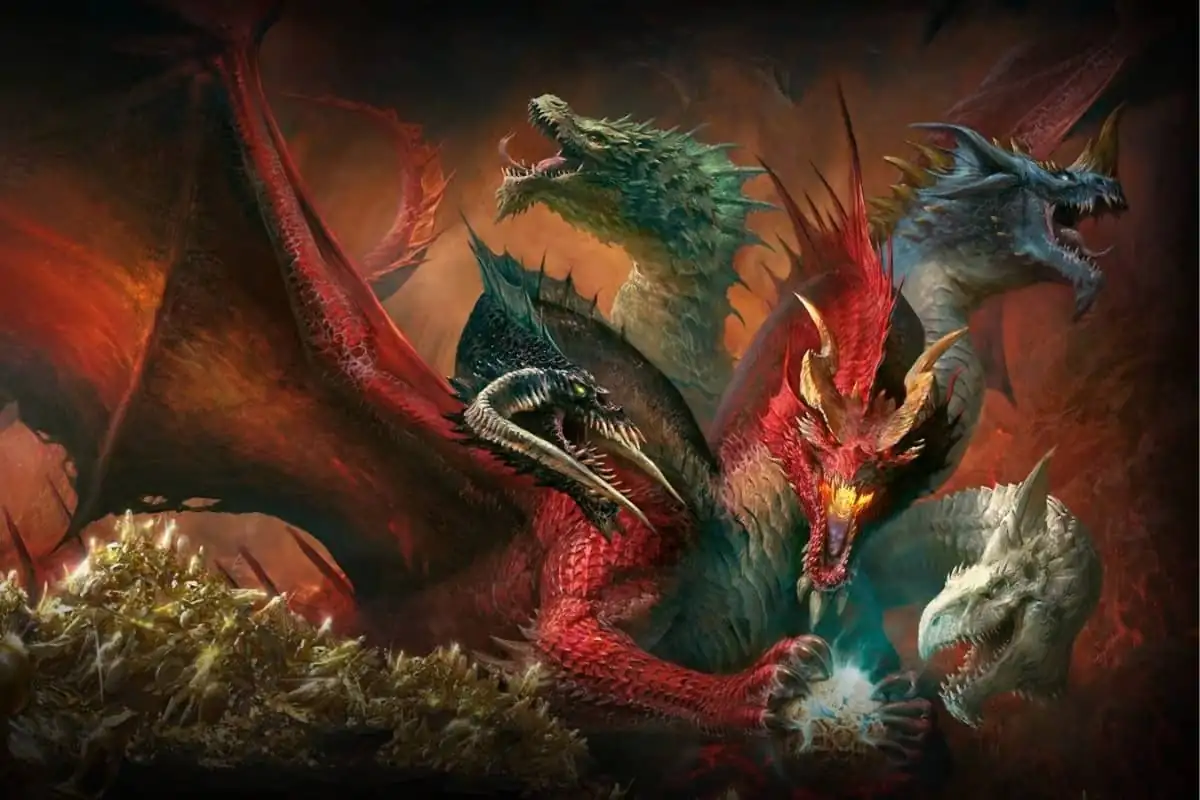

For 10 years, the Fifth Edition of Dungeons & Dragons, commonly called 5e, struck a balance of having streamlined mechanics but enough tactical depth to satisfy experienced players without overwhelming newcomers. Particularly when utilizing the optional rules found in the Dungeon Master’s guide, such as flanking during combat. It’s 2026, and the D&D 5e vs 5.5e debate is still alive and well at gaming tables everywhere.
A decade later, Wizards of the Coast introduced the 2024 edition. Although officially marketed as a revision compatible with Fifth Edition, the new rules have become commonly known as 5.5e. The revision came with various changes and updated rules. But this doesn’t automatically mean that it’s the superior version.
The case for Fifth Edition isn’t that it was perfect but that it struck a good balance, and that changing that balance comes with some considerations.
Simple rules that opened the door
One of the defining features of the 2014 edition was its ability to make D&D approachable without stripping away its identity. Now to be certain, this was not appreciated by all. Some old-school players consider 5e to be “not D&D” at all, and aren’t shy about saying so. But by giving newcomers a system they could easily learn the door was opened to trying the more complex systems down the line.
The core mechanics were easy to learn. Roll a twenty-sided die, add the appropriate modifiers, and compare the result against a target number. Advantage and disadvantage replaced numerous situational modifiers. Proficiency bonuses unified much of character progression, while bounded accuracy kept the numbers relatively manageable throughout a character’s career.
Combat could move quickly as long as players took the time to understand their characters. Dungeon Masters could make rulings on the spot regarding unusual situations without searching through layers of specialized exceptions. New players could learn the fundamentals while discovering the possibilities of the game through experience.
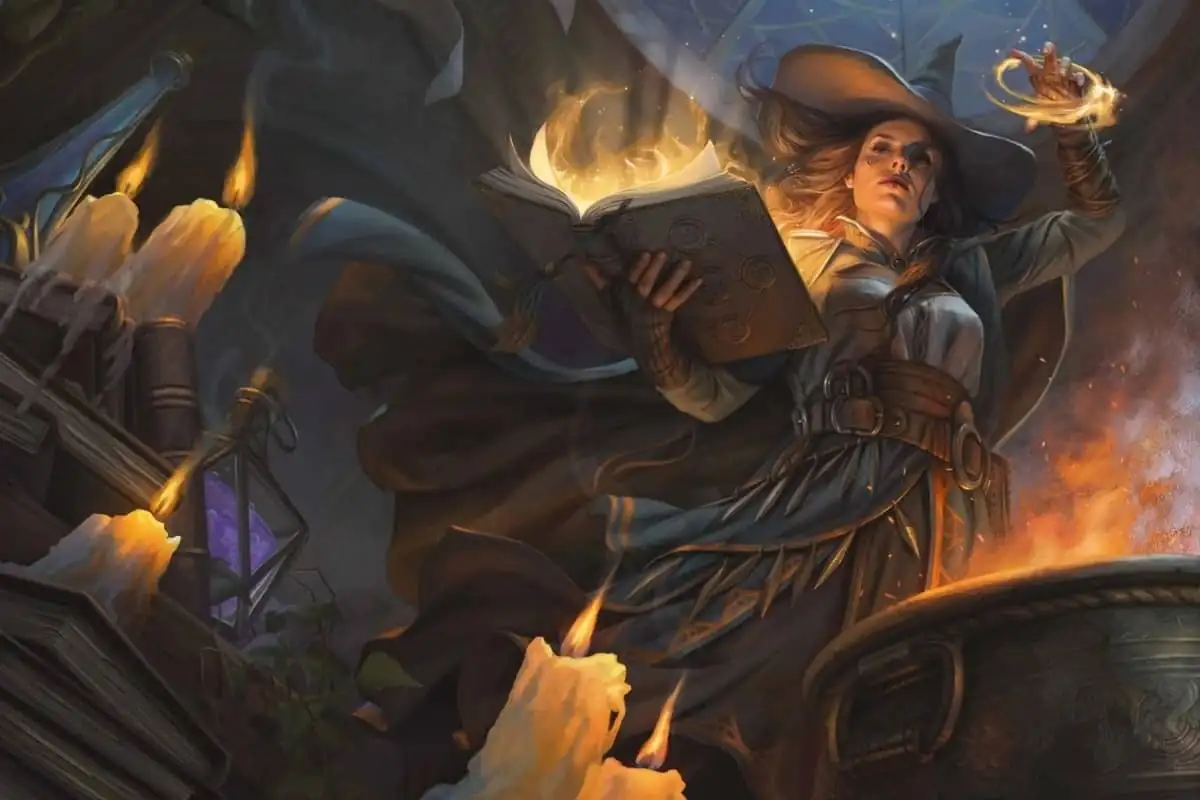
The revised rules retain much of this foundation, but expand and alter numerous subsystems, character features, and tactical options. Some of those changes are useful. Others introduce additional details that players and Dungeon Masters must learn before they can make full use of the new rules.
For players who already found 5e’s balance between accessibility and depth ideal, the revision creates an obvious question: what is gained by changing a system that already works?
One of the greatest strengths of the original Fifth Edition is its established identity. It has 10 years of content released for it. While the 2024 revision retains the same fundamental framework, its alterations can make the game feel different even when the underlying mechanics remain recognizable.
For players who have spent years learning the original rules, these changes can create unnecessary friction. Familiar character builds may need adjustment, established strategies can work differently, and experienced players must learn which abilities have changed.
The original edition also benefits from years of community discussion, optimization guides, homebrew material, and accumulated experience. That wealth of established knowledge makes it an exceptionally practical choice.
What changed for your character
Character creation is another area where some players prefer the original rules. In Fifth Edition, a character’s race and background contribute to the character’s identity. Optional rules introduced in Tasha’s Cauldron of Everything later allowed players to reassign those ability score increases, providing greater flexibility for unusual character combinations.
The 2024 rules instead move ability score increases to backgrounds and introduce origin feats at level 1. While this is useful, choosing a feat at level 1 was a common home rule already.
While neither of these approaches is inherently wrong, players may prefer the original framework of race, class, and background as distinct components of their character’s identity.
Another thing to consider is the changes to character classes. Some players have strong criticisms such as changes to the Four Elements Monk & Totem Warrior Barbarian, an over-reliance on Hunter’s Mark for Rangers, fewer subclasses for Wizards, a less flexible Wild Shape mechanic for Druids…and most especially the Divine Smite nerf for Paladins in which it is now a bonus action, where as before it just happened.
Why some tables are staying put
Dungeon Masters may also have good reasons to remain with Fifth Edition. A campaign often accumulates house rules over months or years of play. Changing editions can upend this. Remaining with 5e allows a DM to preserve a consistent rules environment for an established campaign.
That consistency can be particularly valuable for groups that have already invested substantial time in learning and adapting the original system.
Rather than spending time converting characters and resolving differences between rule versions, Dungeon Masters can concentrate on preparing adventures, developing stories, and creating memorable encounters.
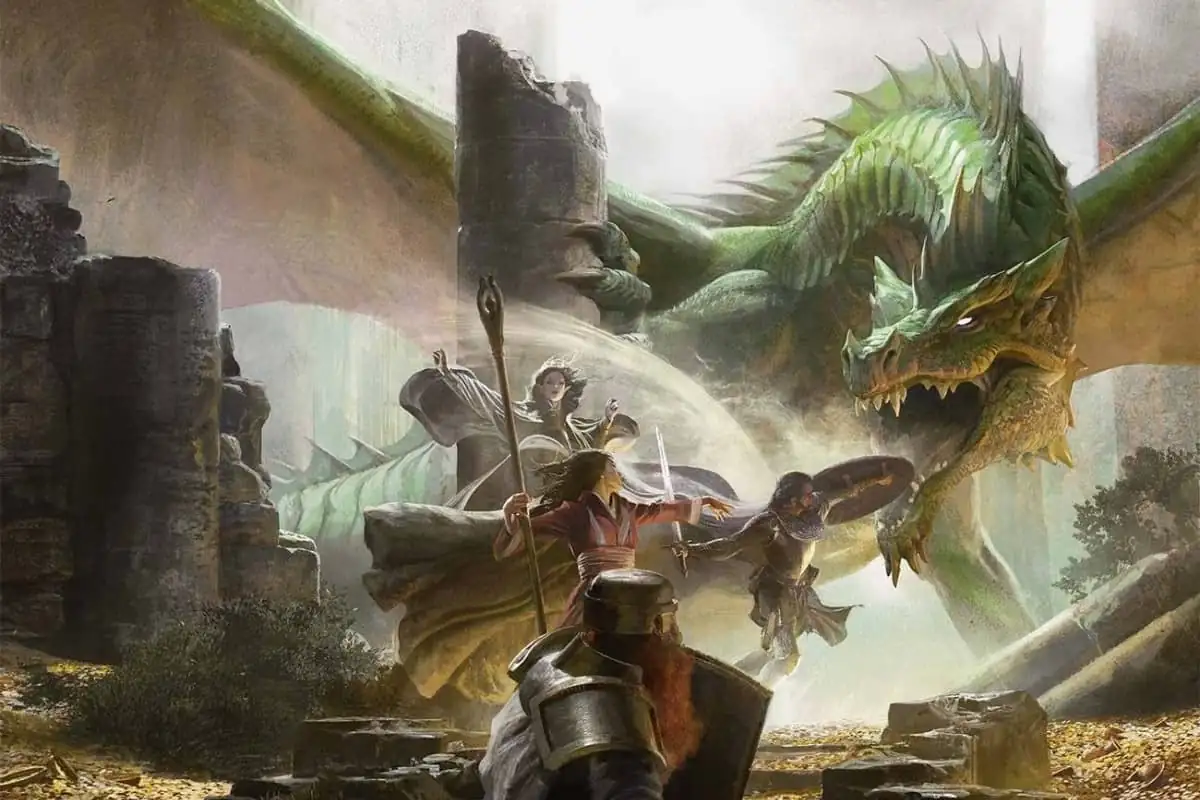
Perhaps the strongest argument for the original Fifth Edition is that players do not have to abandon a game they enjoy simply because a revised version exists.
The 2024 rules offer genuine improvements, including additional martial options, redesigned class features, and revised character-building mechanics. For new groups, these changes may provide a more appealing starting point.
But established groups have different priorities. They may value familiar mechanics, years of accumulated content, existing character builds, or the particular balance between simplicity and complexity found in the original edition.
Switching systems carries costs as well as benefits. Even when the core dice mechanics remain similar, revised features can change character strategies and the rhythm of combat.
There is nothing inherently wrong with continuing to use Fifth Edition, or even with choosing it over 5.5 for new campaigns. Nor does preferring the original edition mean rejecting every improvement introduced in 2024. Indeed, groups house rule nearly every discrepancy between the two.
For new players, the established ruleset of Fifth Edition with years of guides & community experience may be appealing. As might the additional freedom in character creation. The 2024 rules also revises every core class, and some subclasses receive substantial mechanical changes.
There is also a substantial library of supplementary books available to Fifth Edition. While these remain usable alongside the revised rules, if someone wants to experience the original option as they were written then 5e keeps everything within the original rules framework.
The important thing is to choose the rules that best serve the group’s enjoyment rather than assuming that the newest version must be the best. The 2024 revision of Dungeons & Dragons brings meaningful improvements, particularly for players who want more tactical depth and updated class mechanics. However, the 2014 Fifth Edition retains several important advantages.
Its established identity, extensive library of compatible material, familiar character-building system, straightforward combat, and original class designs make it an excellent choice for players who value continuity and simplicity.
The revised edition may be mechanically stronger in particular areas, but no single set of rules can satisfy every player. Greater complexity does not automatically produce greater enjoyment, and improved balance does not guarantee that every character will feel better to play.
Ultimately, the strongest argument for 5e is that it already provides a complete, proven, and highly enjoyable roleplaying experience. For groups that love its mechanics and have built years of adventures around them, changing to 5.5e may offer benefits without necessarily improving their games.
The best edition of Dungeons & Dragons is the one that creates the most enjoyable adventures for your table. For many players, the original Fifth Edition continues to do exactly that.
Please let us know what your favorite edition of D&D is in the comment section! Thanks for reading!