



Jim Lee, DC Comics’ President and Chief Creative Officer, just said what many have been thinking for years: Japanese manga is doing something Western comics simply aren’t.
In a candid interview with Nikkei XTrend published today, Lee opened up about the growing dominance of manga and anime worldwide, admitting the success of Japanese storytelling forces him to ask uncomfortable questions about what American comics are lacking.
Lee didn’t hold back, describing manga’s narrative power as something Western publishers struggle to replicate. “The manga market is larger than our industry“, he stated bluntly, adding that American comic companies should see this as a learning opportunity rather than direct competition.
The numbers back him up, while superhero comics dominate shelves in the West, manga has exploded globally with titles spanning every genre imaginable, from cooking to sports to slice-of-life dramas that have nothing to do with capes and tights.
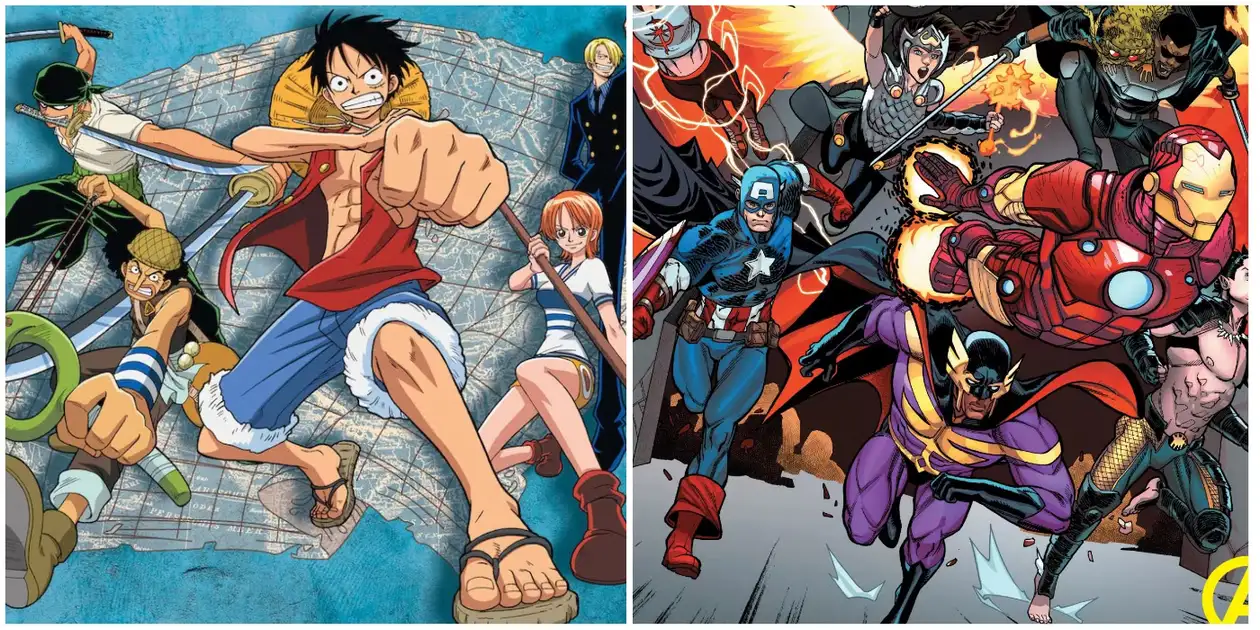
Superheroes are both DC’s strength and its limitation
The core issue, according to Lee, is genre diversity. Western comics remain heavily concentrated on superhero narratives, Batman, Superman, Wonder Woman, which are cultural juggernauts but also represent a creative bottleneck.
In America, most comic sales and readership revolve around that single genre. Meanwhile, manga in Japan is treated as mainstream literature accessible to everyone, covering themes as varied as everyday life, romance, horror, and yes, even cooking competitions that somehow become edge-of-your-seat entertainment.
Lee pointed out that in Japan, manga and anime aren’t considered children’s media that people grow out of. Adults openly read manga and watch anime without the stigma that exists in Western culture, where comics and animation are often dismissed as kid stuff.
This cultural acceptance allows Japanese storytelling to reach broader audiences across all age groups, something American comics have struggled to achieve beyond their core fanbase.
What DC can learn from Japan’s success
Lee emphasized that manga’s advantage goes beyond art style, it’s rooted in narrative sensibility and cultural approach. He’s not just admiring manga from afar; he’s actively questioning what Western comics can adopt from these storytelling traditions.
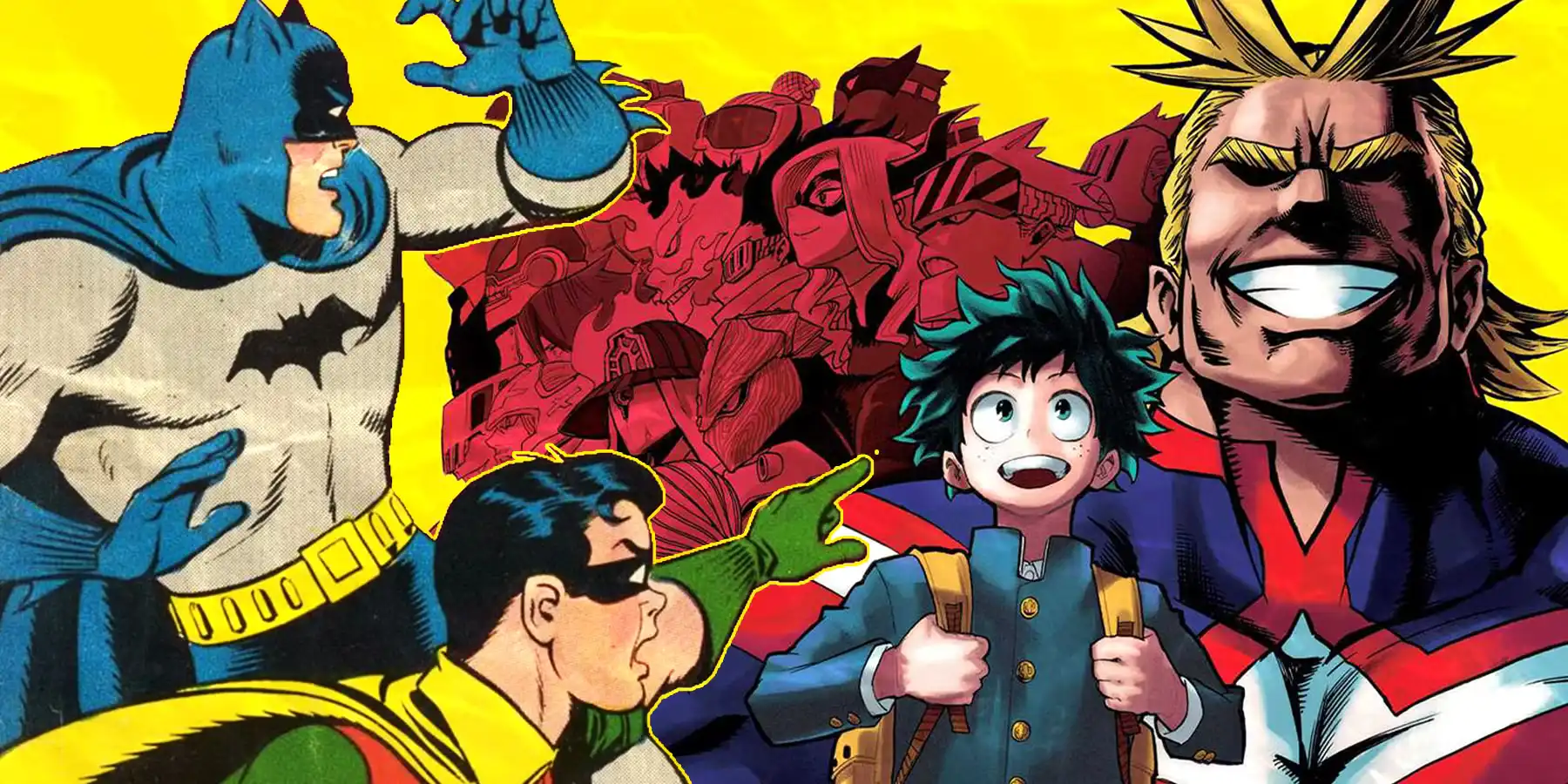
The DC president expressed optimism about using manga’s global achievements as a benchmark, suggesting that understanding why certain stories succeed in Japan but not in the West could reshape future creative strategies for American publishers.
This isn’t the first time manga has disrupted the comics landscape. Lee referenced the massive manga boom in North America during the 1990s, followed by a sharp decline in the mid-to-late 2000s caused by market saturation, piracy, and the 2008 financial crisis.
The closure of Borders bookstores, a major manga distributor, delivered the final blow. But manga came roaring back, and now it’s not just competing with Western comics, it’s often outselling them.
Lee’s comments arrive at a fascinating crossroads for the industry. DC’s recent initiatives like DC All In and the upcoming DC Next Level in March 2026 show the publisher is willing to shake things up, but whether they’ll embrace the kind of genre-hopping experimentation that makes manga so versatile remains to be seen.
For now, Lee’s refreshingly honest assessment suggests DC is at least asking the right questions, even if the answers might require rethinking everything Western comics have been doing for decades.
Want more geek culture news and comic book deep dives? Follow Geek Realm Hub on Facebook and stay locked in for all the latest updates!