

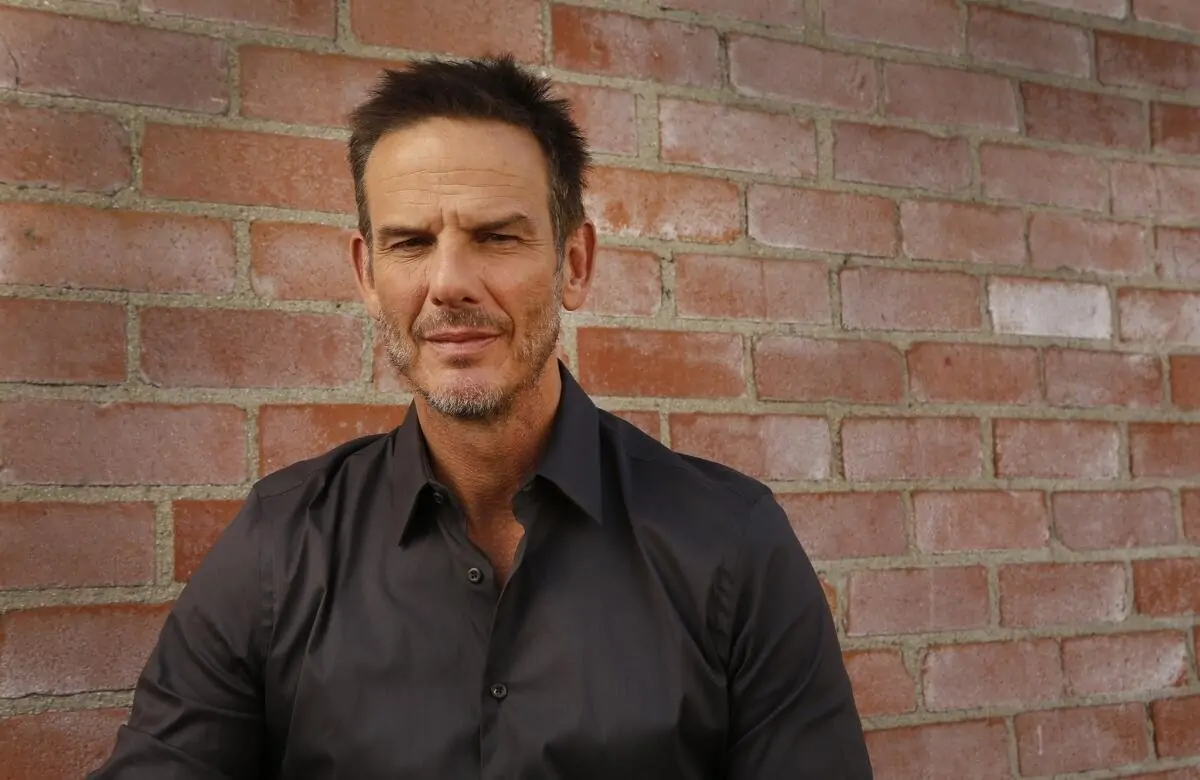

The internet has a good memory, and right now it’s working overtime. Peter Berg, the director who will bring the Call of Duty movie to theaters on June 30, 2028, is generating headlines this week, not because of a trailer, a casting announcement, or plot details, but because of a 2013 interview with Esquire magazine that recently resurfaced and has the gaming community talking.
In it, Berg called war video games “pathetic” and described anyone who plays them as “weak.” The same man now co-writing, producing, and directing the live-action adaptation of one of the most beloved gaming franchises in history said exactly that, on the record, over a decade ago.
The interview was conducted by journalist Julian Sancton while Berg was promoting Lone Survivor, his acclaimed war film about a failed Navy SEAL mission in Afghanistan. Berg, who had embedded with active SEAL teams in Iraq during research for the film, was asked about his take on war video games as someone who positioned himself as a public advocate of American masculinity.
His answer left nothing to interpretation: “Pathetic. Pathetic. Keyboard courage. Can’t stand it. The only people that I give a Call of Duty get-out-of-jail-free card to is the military. They’re out there serving and they’re bored and they want to entertain themselves? Okay, maybe. Kids? Uh-uh.”
When the interviewer followed up asking whether the Navy SEALs he spent time with played those games, Berg confirmed some of them did, and then revealed he told them exactly what he thought about it. “I think anyone that sits around playing video games for four hours… It’s weak. Get out, do something.”

He suggested young people should be out playing sports rather than sitting in front of a screen with a controller in hand. The irony of those words landing on the desk of the man now charged with making the Call of Duty movie is not lost on anyone.
He told this to actual Navy SEALs, and he’s proud of it
What makes the interview particularly striking is that Berg wasn’t just venting in the abstract. He confirmed he had said these things directly to members of the special operations community he spent so much time with. He didn’t walk back the comment or frame it as a hypothetical, he volunteered it, seemingly without hesitation, as part of a conversation about discipline, work ethic, and what he saw as a generation of young men going soft. His position was clear: real men train, compete, and push their bodies. Sitting in front of a screen pretending to be a soldier doesn’t count.
The comments were made around the time he was also fresh off directing Battleship in 2012, a film based on the Hasbro board game that was not exactly celebrated by critics. That context makes the disdain for gaming culture feel a bit richer in hindsight. Berg was very publicly aligning himself with the military world, embedding with SEAL teams in Iraq, visiting active platoons, and building a reputation as a filmmaker who took the real cost of war seriously. Video games, in his view at the time, were the opposite of that, a passive, consequence-free simulation of something that deserved more respect.
The quotes were unearthed by a ResetEra user named Neat and quickly picked up by GamesRadar, triggering a wave of reactions across gaming forums, social media, and entertainment news outlets. The timing couldn’t have been more uncomfortable for Paramount and Activision, who had just weeks before confirmed Berg as the director of their big Call of Duty adaptation at CinemaCon 2026 in Las Vegas.
What the Call of Duty movie actually looks like right now
Despite the controversy, the project is moving forward with considerable momentum. At CinemaCon, Paramount debuted a sizzle reel for the film and locked in the June 30, 2028 release date, timed to coincide with the 25th anniversary of the original Call of Duty, which launched as a PC game in 2003. Berg appeared in a pre-recorded video alongside Activision president Rob Kostich, who said the team was focused on capturing the franchise “on a human level so that it feels really real” while also delivering “epic scope.”
Berg, for his part, expressed that he feels “deeply connected to the special operations community” and wants to bring full authenticity to the screen, which, given his track record with Lone Survivor and Patriots Day, is a credible promise. He is co-writing the script with Taylor Sheridan, the creative force behind Yellowstone, Sicario, and Hell or High Water, a film that earned four Oscar nominations including Best Picture.

The two are lifelong friends who have collaborated before, and Sheridan’s ability to write grounded, morally complex stories about conflict and duty makes him a natural fit for the franchise. The plot remains completely under wraps, no cast, no timeline, no indication of which era of Call of Duty the story will draw from.
What is undeniable is the scale of what Berg is being handed. Call of Duty has sold over 500 million copies globally, reached 1 billion players across its lifetime, and generated over $35 billion in revenue. It has been the number one best-selling video game franchise in the United States for 16 consecutive years. This is not a niche adaptation, it’s one of the biggest swings Hollywood has taken on a gaming IP, and Paramount is treating it accordingly.
As for whether Berg’s 2013 opinions will cast a shadow over the production, that depends on who you ask. The gaming community has been vocal in its skepticism, with many questioning whether a director who once dismissed the entire culture around the franchise is the right person to honor it on screen. Others point out that thirteen years is a long time, that people’s views evolve, and that his filmmaking credentials, whatever one thinks of his personal opinions, are genuinely suited to the material. Activision has not publicly commented on the resurfaced quotes.
What’s certain is that the Call of Duty movie now carries an extra layer of intrigue beyond the usual video game adaptation conversation. The director once told Navy SEALs that playing Call of Duty was pathetic. Now he’s making the movie. And somewhere out there, those same SEALs are probably loading up a match.
Do you think Peter Berg’s past comments should disqualify him from directing the Call of Duty movie, or are 13-year-old opinions fair game to move on from? Tell us what you think in the comments!