



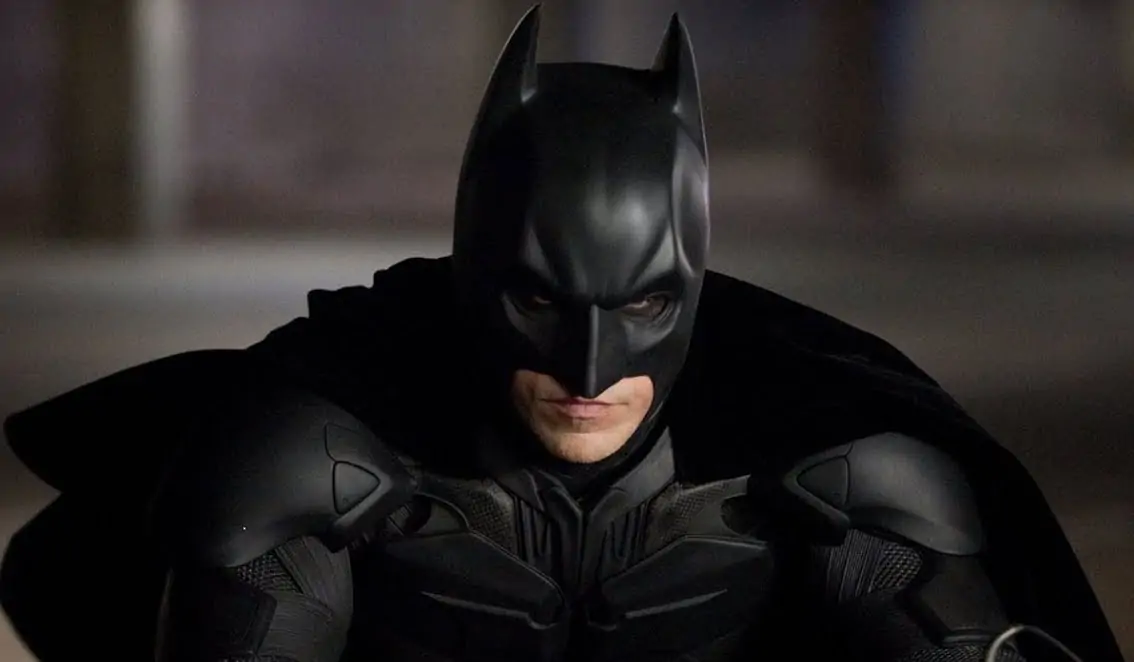
What if the key to unlocking human kindness was as simple as putting a superhero on a subway train? Italian researchers have discovered something fascinating: Batman doesn’t just fight crime in Gotham, his mere presence can inspire everyday people to become better versions of themselves.
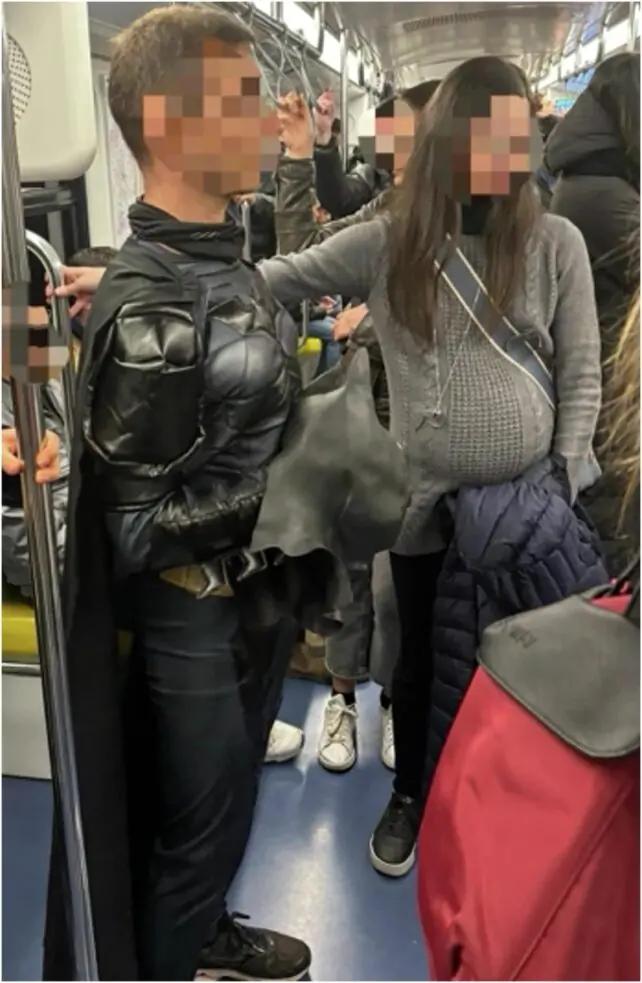
In a study that sounds like it came straight from a comic book convention brainstorming session, psychologists from the Catholic University of the Sacred Heart in Milan conducted an unconventional social experiment on the city’s metro system. Their mission was to determine whether the presence of the Caped Crusader would influence commuters to offer their seats to pregnant passengers.
The results were surprisingly compelling. Across 138 separate trials, researchers found that 67.21 percent of passengers offered their seat to a woman wearing a concealed prosthetic belly when Batman was present on the train. In contrast, only 37.66 percent did so when the superhero was absent, a substantial difference that suggests something intriguing about human behavior.
The setup behind the experiment
To ensure scientific integrity, the research team took careful measures to prevent passengers from connecting Batman with the pregnant passenger. The two experimenters boarded through different doors, maintained several meters of distance, and never acknowledged each other during the trials. This separation was crucial to avoid any perception of collaboration that might skew the results.
The methodology raises an interesting question: what exactly triggers this increase in prosocial behavior? The answer, it turns out, isn’t what you might expect.
It’s not about fear, it’s about awareness
When researchers interviewed passengers who had given up their seats, none of them directly attributed their action to Batman’s presence. In fact, 43.75 percent of those who offered their seat claimed they hadn’t even noticed the Dark Knight standing nearby. Their explanations centered on recognizing pregnancy, adhering to social norms, and concerns for safety, the usual reasons people cite for courteous behavior.
So if passengers weren’t consciously reacting to Batman, what was happening?
The research team proposes that unexpected stimuli in our environment can jolt us out of autopilot mode. Picture your typical commute: headphones in, mind wandering, barely registering the people around you. Then Batman boards the train. Suddenly, your attention sharpens. You’re looking around, taking in your surroundings, and in that heightened state of awareness, you’re more likely to notice someone who needs help.
This increased attentiveness might operate on a subconscious level, explaining why people didn’t make the connection between their good deed and the costumed vigilante standing a few feet away. Even those who claimed not to see Batman directly may have picked up on the reactions of other passengers, indirectly boosting their environmental awareness.
The Superhero priming effect
There’s another compelling explanation at play. Francesco Pagnini, one of the psychologists leading the study, suggests that superhero figures might activate what researchers call a “priming effect.” Essentially, Batman’s presence could unconsciously reinforce cultural values associated with heroism, concepts like chivalry, helping others, and doing the right thing.
This aligns with previous research showing that exposure to superhero imagery can influence behavior. The figure of Batman, even when not directly acknowledged, might be triggering an unconscious association with prosocial values that make people more inclined to act generously.
The researchers acknowledge that more work is needed to fully understand this phenomenon. They’ve proposed testing the effect with different characters, would Darth Vader, for instance, produce the same results? Or does the character’s moral alignment matter? These questions could reveal whether any unusual presence increases awareness, or if there’s something specifically powerful about heroic figures.
Understanding human nature
While this study might seem whimsical on the surface, it touches on something profound about human psychology. We like to think of ourselves as consistent moral actors, but research increasingly shows that our behavior is remarkably sensitive to context. Small environmental cues, whether it’s a superhero costume, a certain scent, or specific music, can subtly shift how we interact with others.
The Batman experiment, published in npj Mental Health Research, adds to a growing body of evidence suggesting that prosocial behavior isn’t just about individual character. Our surroundings, our level of awareness, and even the unexpected elements in our environment all play roles in determining whether we’ll take that extra step to help someone in need.
Perhaps the most encouraging takeaway is this: kindness might be more accessible than we think. It doesn’t always require tremendous effort or moral fortitude, sometimes it just requires paying attention to the world around us.
Want to stay updated on the latest fascinating research and geek culture insights? Follow Geek Realm Hub for more stories that explore where science, psychology, and pop culture collide.