



Nintendo’s most iconic adventure franchise just turned 40. On February 21, 2026, The Legend of Zelda marked four decades since Shigeru Miyamoto and Takashi Tezuka’s original title launched on Japan’s Famicom Disk System, and the anniversary arrives alongside two major pieces of news: a ground-up remake of Ocarina of Time confirmed for Switch 2, and a live-action film now dated for May 2027. Here’s the full history behind the milestone, game by game.
The NES and SNES years: Building the blueprint
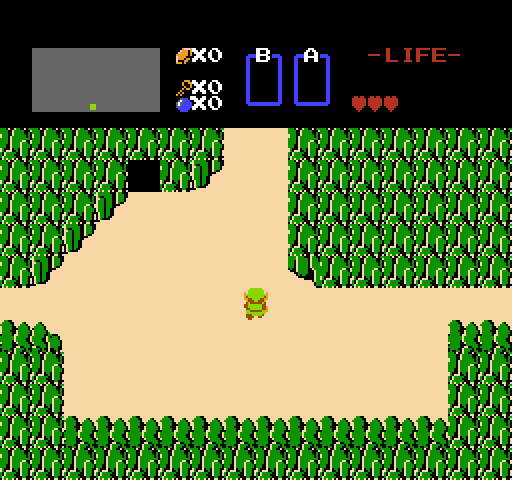
The original Legend of Zelda reached North America on NES in 1987, a year after its Japanese debut. Miyamoto built the concept around his own childhood exploring the hills and caves near Kyoto, and the finished game reflected that spirit of open discovery: a sword, a half-heart of health, and almost no instructions beyond finding the Triforce, rescuing Princess Zelda, and defeating Ganon. Its battery-save cartridge was itself a novelty at the time.
Zelda II: The Adventure of Link followed in 1987, replacing the overhead view with side-scrolling combat and adding experience points, leveling, and NPC towns. It remains the only mainline entry built this way. Then in 1991, A Link to the Past arrived on Super Nintendo, restoring the top-down structure while introducing the Light World/Dark World mechanic and item-based dungeon design that would define the series for the next decade.
Game Boy, Nintendo 64, and the jump to 3D
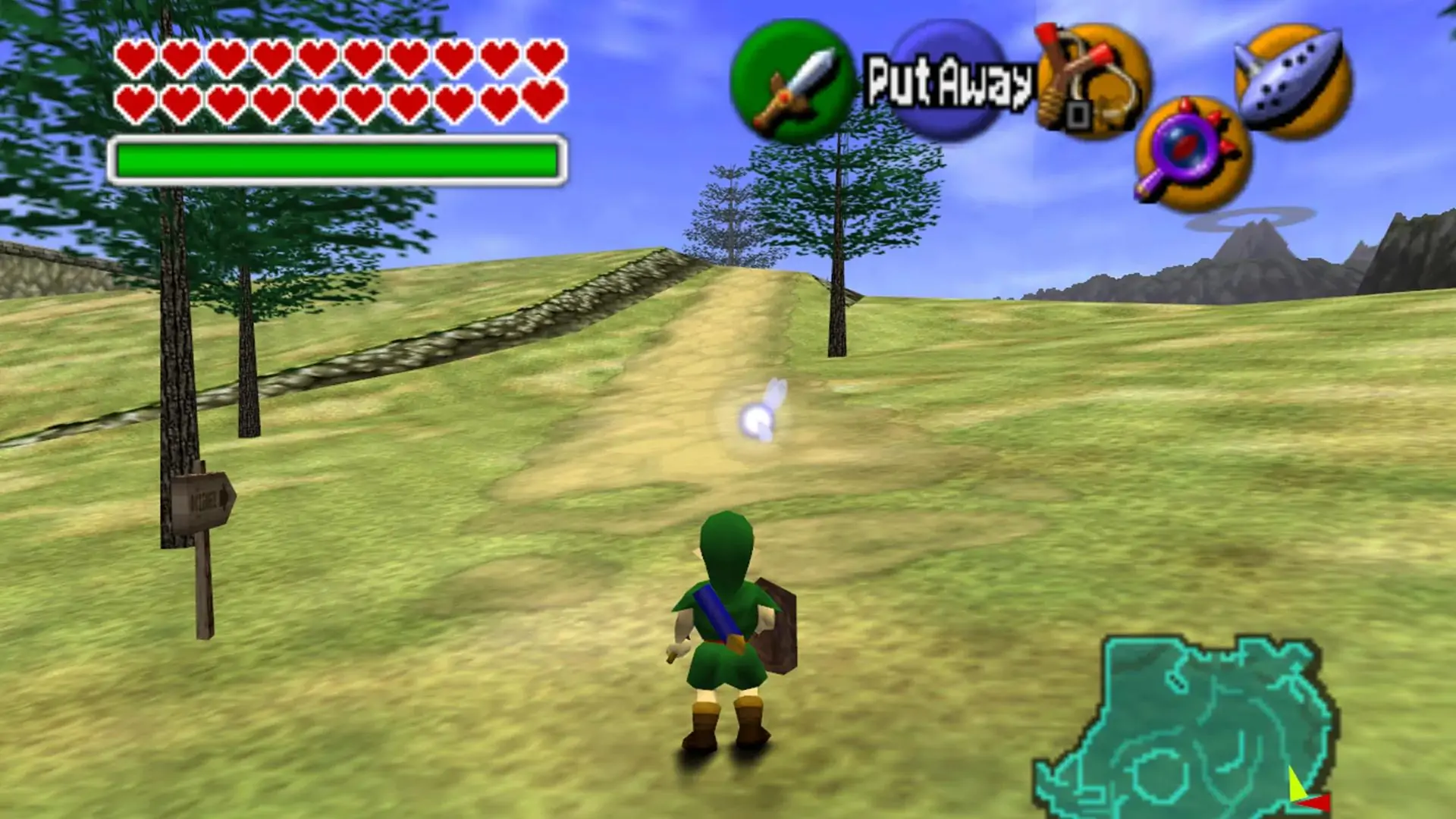
The Legend of Zelda: Link’s Awakening released for Game Boy in 1993, proving a full Zelda adventure could work outside Hyrule entirely, its story is set on the fictional Koholint Island. Five years later, Ocarina of Time launched on Nintendo 64, translating the series into full 3D for the first time and introducing Z-targeting, a day-night cycle, and a time-travel structure splitting Link into child and adult versions.
It holds a 99 on Metacritic and is widely cited as one of the most influential action-adventure games ever made. Majora’s Mask followed in 2000, reusing Ocarina’s engine for a darker story built around a three-day time loop.
The same period produced the franchise’s strangest chapter outside Nintendo. After a planned CD-ROM add-on for the Super Nintendo fell through, Nintendo licensed the Zelda characters to Philips for its CD-i console. Philips released Link: The Faces of Evil and Zelda: The Wand of Gamelon simultaneously on October 10, 1993.
A third title, Zelda’s Adventure, was originally planned for release a month later but was delayed repeatedly through 1994 before finally reaching European shelves in 1996; it never released in North America. All three are remembered for their rough animated or live-action cutscenes, and Nintendo has never recognized them as canon, series producer Eiji Aonuma confirmed as much directly in a 2013 interview.
Capcom’s Flagship studio, working under Nintendo, took over 2D development in 2001 with Oracle of Seasons and Oracle of Ages, released simultaneously for Game Boy Color. The two games were built to connect: finishing one produced a password that unlocked bonus content and a linked ending in the other. It marked the first mainline Zelda developed outside Nintendo itself.
GameCube, Game Boy Advance, and the DS era
The Wind Waker introduced a cel-shaded art style on GameCube in 2003 that drew early backlash before winning over critics and players. The same era brought the series first multiplayer entry, Four Swords, released on Game Boy Advance in 2002, followed by Four Swords Adventures on GameCube in 2004. The Minish Cap, also 2004, kept to single-player 2D with a size-shifting mechanic tied to the same Four Sword mythology.
Twilight Princess launched in 2006 across GameCube and Wii, pushing toward a darker tone with a wolf-transformation mechanic. On Nintendo DS, Phantom Hourglass (2007) and Spirit Tracks (2009) built their designs entirely around the touchscreen, including stylus-controlled sword strikes.
Wii, 3DS, and Wii U: Motion controls to open worlds
Skyward Sword arrived on Wii in 2011, built around 1:1 motion controls via Wii MotionPlus and set as the earliest game in the official timeline. That same year, Ocarina of Time 3D remade the N64 classic for Nintendo 3DS with updated visuals and the returning Master Quest mode, marking the game’s first major remake. A Link Between Worlds followed on 3DS in 2013, letting Link merge into walls as a 2D painting, and Tri Force Heroes brought three-player co-op to the platform in 2015.

Breath of the Wild launched in 2017 on Wii U and the newly released Switch, discarding the series’ traditional dungeon structure for open, physics-based exploration. Its influence on open-world game design extended well beyond the Zelda franchise itself.
Switch, Switch 2, and the Ocarina of Time remake
Tears of the Kingdom, released in 2023, expanded on Breath of the Wild’s Hyrule with new building and fusion systems. In 2024, Echoes of Wisdom made Princess Zelda the playable protagonist for the first time, built around an ability to duplicate objects and enemies to solve puzzles.
At a Nintendo Direct in June 2026, Nintendo confirmed a full remake of Ocarina of Time for Switch 2, described in the announcement as the N64 classic “reborn” for the new hardware. No release date beyond “2026” has been given, and no gameplay has been shown, but early details point to a Master Sword and Hylian Shield redesigned in the style introduced in Skyward Sword. The project is shaping up as a Switch 2 exclusive, with no confirmation of a Switch 1 version. It marks Nintendo’s third revisit of the game, following the 2003 GameCube re-release and the 2011 3DS remake, and its first full rebuild rather than a remaster.
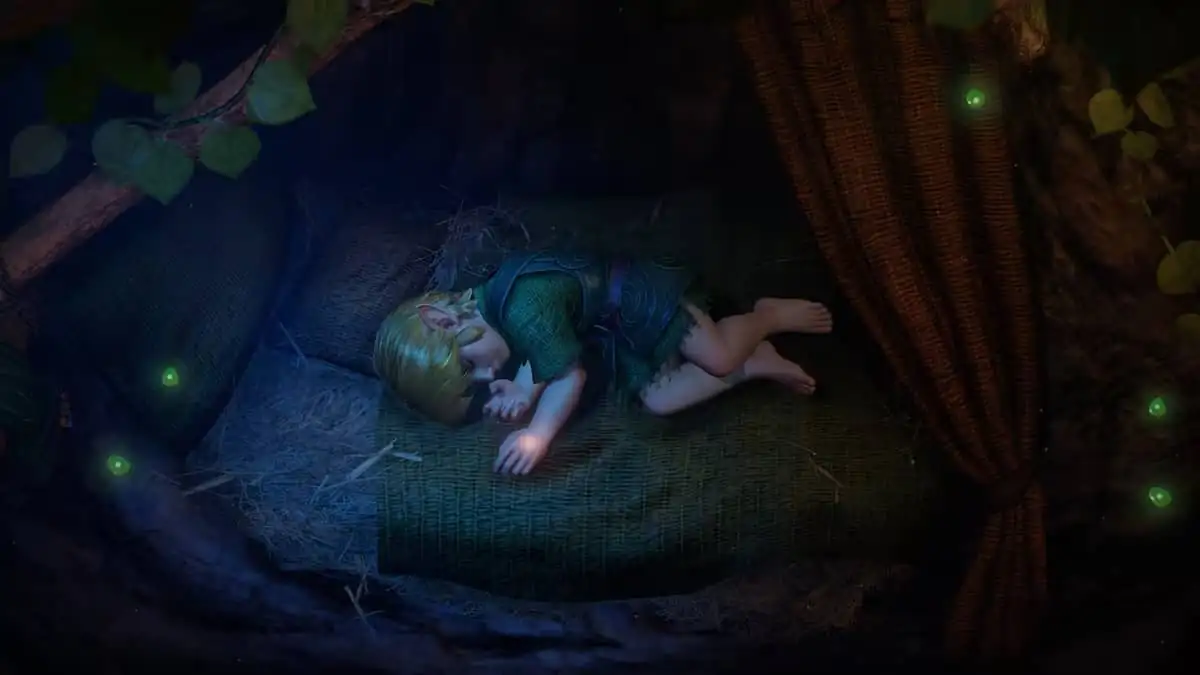
Current tallies put the franchise at 33 total games, 21 original titles and 11 remakes or enhanced ports, alongside a growing list of spin-offs including the Hyrule Warriors series and Cadence of Hyrule. Composer Koji Kondo’s soundtrack work, from the overworld theme to the score of Majora’s Mask, has also become a fixture of orchestral concert programming worldwide.
Hyrule goes to Hollywood
Sony and Nintendo confirmed a live-action Zelda film in November 2023, with Miyamoto revealing he and producer Avi Arad had been developing the project for years. Wes Ball, director of the Maze Runner trilogy and 2024’s Kingdom of the Planet of the Apes, is directing. Ball has described wanting the film to feel “grounded” and “real,” a shift from his original 2010 pitch, made before Nintendo’s involvement, to build the project entirely around motion capture in the style of Avatar.
Bo Bragason was cast as Princess Zelda and Benjamin Evan Ainsworth as Link in July 2025. Filming began that November in New Zealand and wrapped in April 2026, with Sony motion picture group president Sanford Panitch confirming the news at CinemaCon 2026 and noting the franchise has sold more than 180 million copies across four decades.
This week, Deadline reported that Uli Latukefu will play Ganondorf, with the Young Rock actor reportedly signing a multi-picture deal. Hours later, Deadline added Severance’s Dichen Lachman as Impa and The Handmaid’s Tale’s Yvonne Strahovski as a queen, along with a final on-screen performance from the late Sam Neill, who passed away in July 2026. Nintendo and Sony haven’t officially confirmed the casting.

The release date has shifted twice: originally set for March 26, 2027, pushed to May 7, 2027 in mid-2025, then moved up again to its current target of April 30, 2027 in May 2026.
Between the film’s 2027 release and the Ocarina of Time remake still to come this year, Zelda’s 40th anniversary is shaping up as a rolling celebration rather than a single event. It’s worth pausing on the distance covered: a series that began with a cartridge offering no tutorial and just three hearts of health has, four decades later, become a Switch 2 flagship and a Sony feature film. For a franchise that started with Link alone in a forest with a wooden sword, that’s not a bad way to spend a 40th birthday.
So, adventurer: which game hooked you first, the original NES classic, Ocarina of Time, or Breath of the Wild? Let us know in the comments below.