



When Nintendo dropped the Metroid Prime 4 announcement at E3 2017, fans went absolutely wild. Samus was coming back to lead a new adventure, and it seemed like the wait would finally be over. Fast forward eight years later, and we’re just now holding Metroid Prime 4: Beyond in our hands. So what took so long? Turns out, bringing back this beloved franchise was way more complicated than anyone expected.
The development reset that changed everything
Here’s where things got messy. The game was originally being developed by a Bandai Namco team, but Nintendo wasn’t happy with how things were turning out. In 2019, they made the bold call to hit the reset button and hand the project over to Retro Studios, the team behind the original Prime trilogy. While this decision made sense for quality reasons, it basically meant starting from scratch and adding several more years to the timeline.
In a recent interview with Famitsu, the development team opened up about the massive challenges they faced. Retro Studios wasn’t exactly ready for a full-scale production when they got the green light. They had to restructure internally and bring in multiple partner studios just to make it work. Getting everyone on the same page about what makes a Metroid Prime game special became a project in itself.
Creative vision vs. Modern expectations
The team had a clear vision from the start: they wanted to focus the story on the relationship between Samus and Sylux while keeping that classic Metroid feel. But they also couldn’t ignore the elephant in the room, Breath of the Wild had completely changed what players expect from Nintendo adventures.
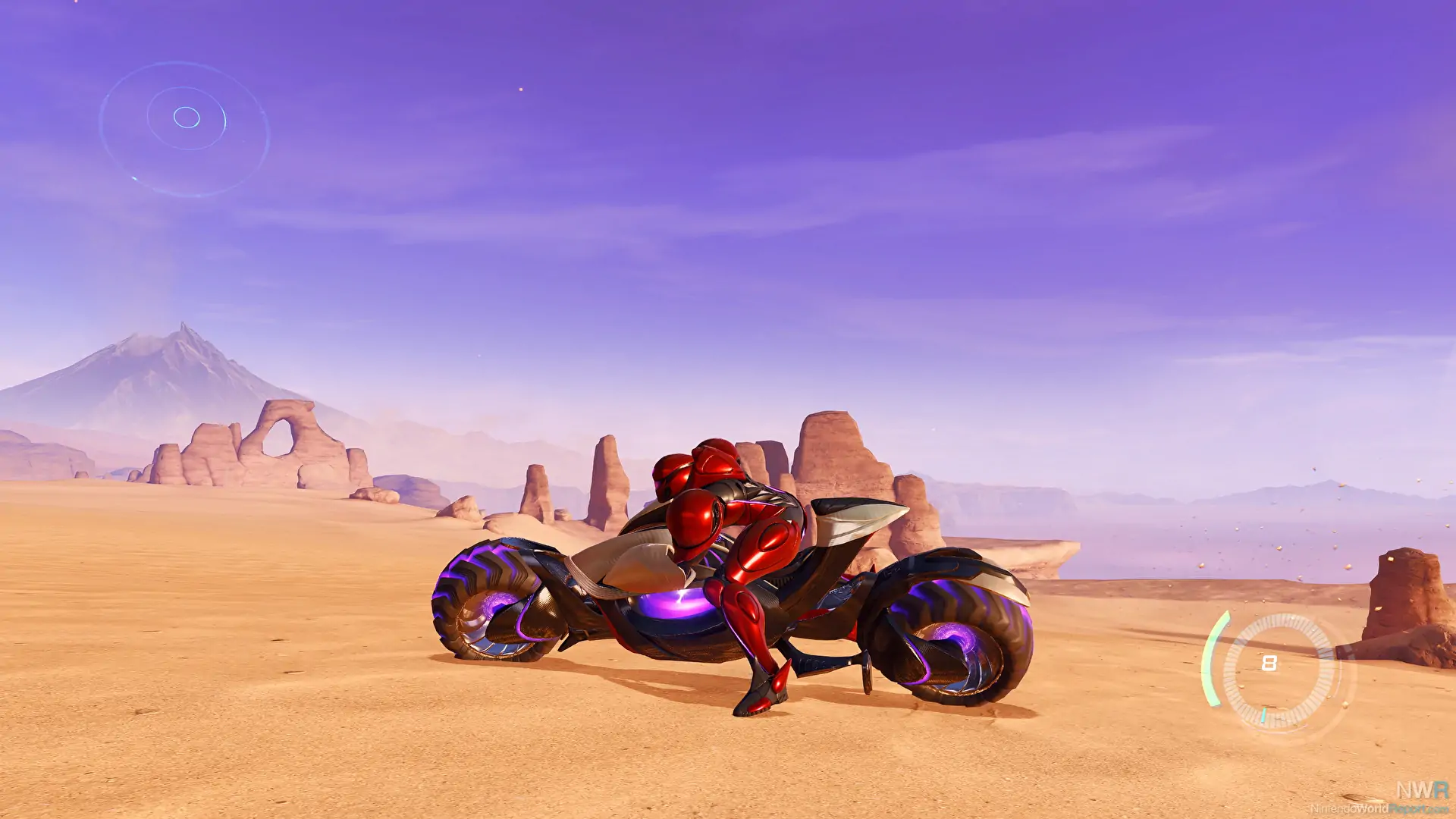
The solution? They rejected the full open-world approach because it clashed with Metroid’s signature progression system. Instead, they created a controversial desert area that serves as an open hub connecting the rest of the game. It’s a compromise that shows how tricky it was to balance innovation with tradition.
You Might Also Like: Metroid Prime 4: Beyond file size confirmed for Switch 2
Pushing two consoles to their limits
Developing for both Switch and Switch 2 simultaneously added another layer of complexity. The team wanted Beyond to shine on Nintendo’s new hardware while still delivering a solid experience on the original Switch. They pulled it off too, the game runs at up to 120 fps on Switch 2 with impressive visual fidelity.
Despite all the setbacks and criticism about whether the final product justifies the wait, Retro Studios managed to deliver something that satisfies longtime fans. The subtitle “Beyond” represents transcending space-time, a concept the team wove throughout the entire experience. After eight years of development hell, Samus is finally back.
Want more gaming news and geek culture content? Follow Geek Realm Hub on X and join our community of fellow enthusiasts!