



There’s a peculiar irony in Nintendo’s history that doesn’t get talked about enough. Back in the mid-2000s, while Sony and Microsoft were locked in an arms race over processing power and high-definition graphics, Nintendo was cooking up something that would completely blindside the industry. They even had the perfect name for it: Revolution.
And then they threw it away.
The thing is, Satoru Iwata and his team at Nintendo knew exactly what they were doing. The name “Revolution” wasn’t just marketing speak, it was a mission statement. But the story of how that name came to be, and why it ultimately disappeared, reveals something fascinating about one of gaming’s biggest success stories.
The GameCube hangover
Let’s rewind to 2004. Nintendo was nursing some serious wounds. The GameCube, despite its cult classic status today, had been thoroughly demolished by Sony’s PlayStation 2. We’re talking about a console that sold over 155 million units versus Nintendo’s roughly 22 million. It wasn’t even close.
Nintendo found itself at a crossroads. They could either join the graphics arms race, try to out-muscle Sony and the upcoming Xbox 360, or they could flip the table entirely. Spoiler alert: they chose the latter.
At E3 2004, Nintendo confirmed they were working on their next home console. Rumors immediately started swirling about motion-sensor technology and unconventional controllers. Internally, the project had a codename that perfectly captured their ambitions: Revolution.
Why “Revolution” made perfect sense
In the “Ask Iwata” series on Nintendo’s blog, the late CEO explained the thinking behind that codename. Revolution represented a clean break from the past. It wasn’t about incremental improvements or shinier graphics, it was about fundamentally transforming how people interacted with games.
Iwata’s vision was radical for its time: stop competing on specs and start competing on experience. Bring in people who’d never picked up a controller. Make gaming a living room activity that grandparents and grandkids could enjoy together. The name Revolution captured all of that ambition in a single word.
It was bold. It was clear. It was… too on the nose?
The name that launched a thousand memes
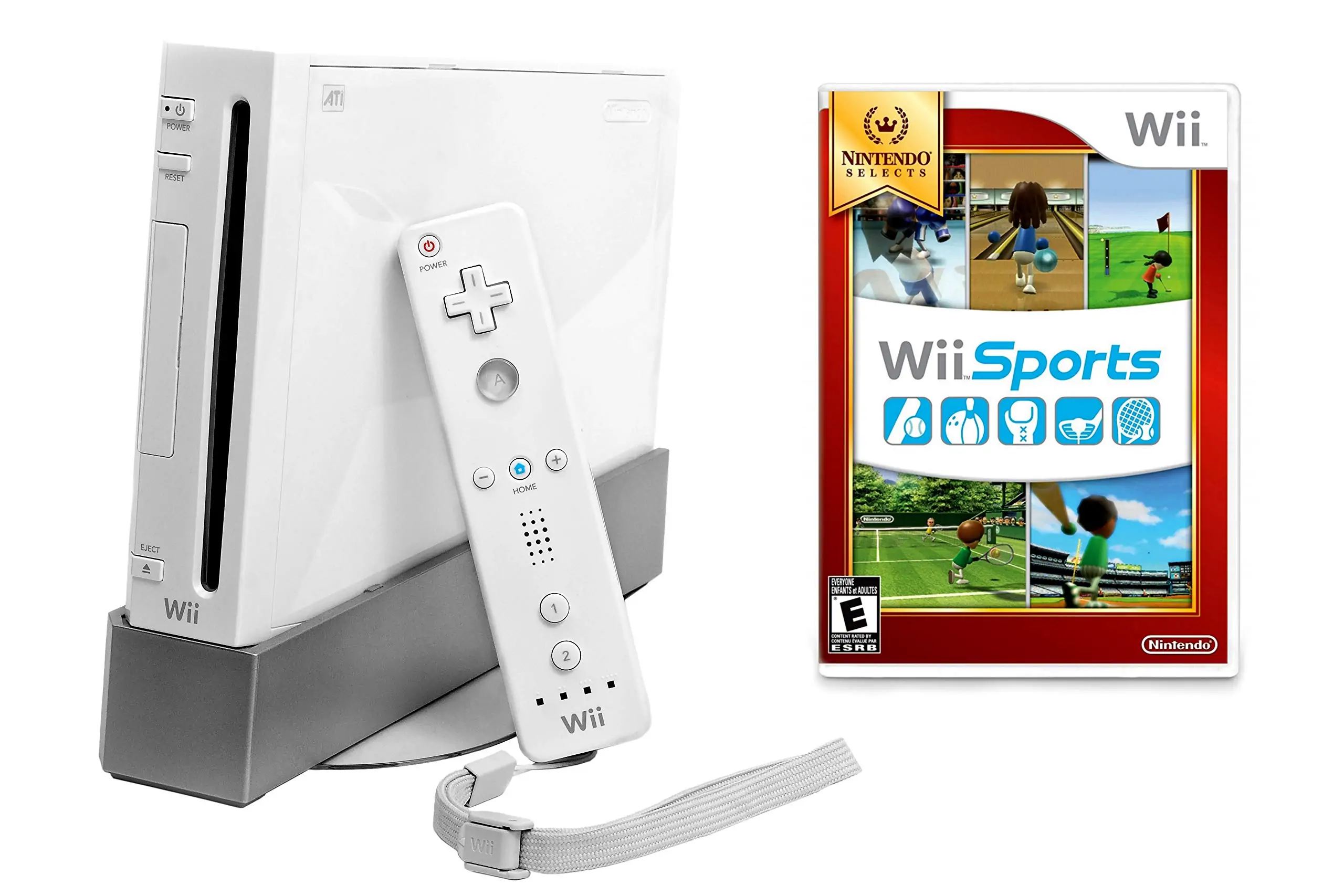
When Nintendo finally unveiled the console’s actual name in 2006, the internet collectively scratched its head. “Wii?” People laughed. They made jokes. The name sounded childish, strange, and completely divorced from the hardcore gaming image that Sony and Microsoft were cultivating.
But here’s where Nintendo’s gamble paid off: the name “Wii” embodied the same philosophy as “Revolution,” just in a completely different package. The pronunciation mimicked “we”, as in, this isn’t just for solo gamers in dark rooms. This is for everyone. Together.
The weird name became a conversation starter. It was memorable precisely because it was so unusual. And when people actually got their hands on a Wii Remote and started playing Wii Sports, the name suddenly didn’t matter anymore.
The Revolution that actually happened
Let’s talk numbers, because they’re staggering. The Wii sold over 101 million units worldwide. The PlayStation 3? Around 87 million. Xbox 360? Approximately 84 million. Nintendo didn’t just compete, they dominated a generation where they were supposedly outgunned.
But the real revolution wasn’t in sales figures. It was in who was playing. Retirement homes started hosting Wii bowling tournaments. Families who’d never owned a gaming console suddenly had one in their living room. Physical therapists used Wii Fit for rehabilitation. The console broke through demographic barriers that the industry had assumed were permanent.
Wii Sports, the pack-in game that came with most consoles, became a cultural phenomenon. It wasn’t technically impressive, the graphics were simple, the gameplay straightforward. But it nailed something that the HD-obsessed competition had forgotten: games should be immediately fun and accessible.

The perfect imperfect name
Looking back, there’s a beautiful irony to the whole naming saga. “Revolution” would have been accurate, sure. But it also would have been predictable. It would have told people what to expect before they experienced it.
“Wii,” on the other hand, told people nothing. It confused them. It made them curious. And when they finally tried it, the experience spoke for itself. The name became part of the story, this weird, quirky thing that somehow worked against all conventional wisdom.
Iwata was right about needing a revolution. But perhaps Nintendo’s marketing team was equally right in understanding that revolutions don’t always announce themselves with trumpets and fanfare. Sometimes they sneak up on you with a silly name and a motion controller, and before you know it, your grandmother is beating you at virtual tennis.
The Wii proved that in an industry obsessed with power and performance, there was still room for a different approach. Nintendo didn’t just create a successful console, they expanded what gaming could be and who it could reach. Whether you called it Revolution or Wii, the impact was undeniable.
And honestly? The fact that we’re still talking about it nearly two decades later suggests that maybe, just maybe, the weird name was the right choice all along.