



When Marcus Lehto sat down to design what would become one of gaming’s most recognizable characters, he didn’t look to other video games for inspiration. Instead, the former Bungie art director turned his attention to military hardware and, surprisingly, extreme sports equipment. The result? Master Chief, the faceless supersoldier who would go on to define an entire generation of Xbox gaming.
In a recent interview with Kent State University’s magazine—his alma mater—Lehto pulled back the curtain on the creative process that brought John-117 to life. The revelation is as fascinating as it is unexpected: the legendary Spartan’s design draws heavily from M1 Abrams tanks, Apache helicopters, and BMX bike helmets. It’s a combination that sounds almost random on paper, but in practice, it created one of the most enduring character designs in gaming history.
The challenge of creating a blank slate hero
Bungie faced a unique challenge during Halo’s development. They needed a protagonist who could be powerful and imposing, yet serve as a vessel for players to project themselves into the game world. The solution was counterintuitive: strip away personality, hide the face, and let the armor do the talking.
Lehto’s approach was methodical. He wanted Master Chief to embody raw power and military precision without becoming overly complicated or busy. “Creating Master Chief was something that took me many iterations to find the perfect look, feel, and stature for such a character,” Lehto explained. “From a visual design standpoint, I focused on some of the things I learned here at Kent State to break it down into the most basic visual elements. It’s critical to get that right so you don’t overcomplicate a design.”
The early sketches didn’t hit the mark. Lehto admits those initial designs were “too sleek and stylized”—they lacked the weight and presence needed for a character meant to feel like an unstoppable force. It took nine attempts before he landed on a design that satisfied both himself and the team at Bungie. Nine iterations to create a character that would become synonymous with Xbox itself, standing shoulder to shoulder with icons like Mario and Kratos.
Military machinery meets extreme sports
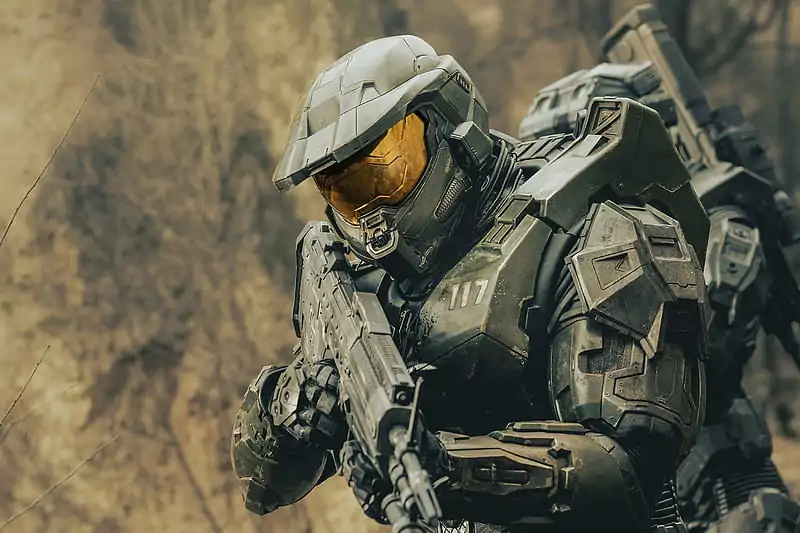
The genius of Master Chief’s design lies in its synthesis of seemingly disparate elements. The M1 Abrams tank influence is evident in the armor’s bulk and angular plating—it suggests something built to withstand punishment and keep moving forward. The Apache helicopter’s sleek, functional aesthetic informed the helmet’s visor and the overall sense of advanced military technology. And that BMX helmet? It brought an unexpected element of relatability and human scale to an otherwise imposing figure.
This wasn’t just about making something that looked cool. Every design choice reinforced the character’s identity as a supersoldier—someone who had undergone extreme training and biological modifications to become humanity’s best weapon against existential threats. The armor needed to feel like an extension of John-117 himself, not just a costume.
The attention to proportion was crucial. Too bulky, and Master Chief would look slow and cumbersome. Too sleek, and he’d lose that sense of being an armored juggernaut. Lehto’s background in visual design fundamentals helped him strike that perfect balance, creating a silhouette that’s instantly recognizable even in shadow.
Where Halo stands today
The franchise that Master Chief built has had a turbulent journey in recent years. Halo Infinite, launched with ambitions of being a 10-year platform for the series, fell short of expectations. Just four years after its debut, 343 Industries—now rebranded as Halo Studios—released its final major content update this month, effectively closing the book on that chapter.
But the story isn’t over. The studio is currently developing Halo: Campaign Evolved, a remake of the original game that will mark the franchise’s debut on PlayStation. Industry rumors suggest that Halo 2 and Halo 3 might receive similar treatment, bringing remastered versions of these classics to a multiplatform audience. There’s also speculation about a new multiplayer-focused title and the next mainline entry in the series.
Perhaps most significantly, Halo Studios has made a major technical pivot. They’ve abandoned the Slipspace Engine—the proprietary technology that reportedly complicated Halo Infinite’s development—in favor of Unreal Engine 5. This shift could streamline future development and allow the team to focus on creativity rather than wrestling with technical limitations.
The next major Halo game likely won’t arrive until Xbox’s next hardware generation. Reports suggest that Xbox Magnus, a hybrid console-PC device combining the best of Windows and Xbox ecosystems, could be the platform where Master Chief makes his next big appearance. Despite recent stumbles and the end of platform exclusivity, Halo remains a cornerstone of Xbox’s identity.
A legacy built on iteration
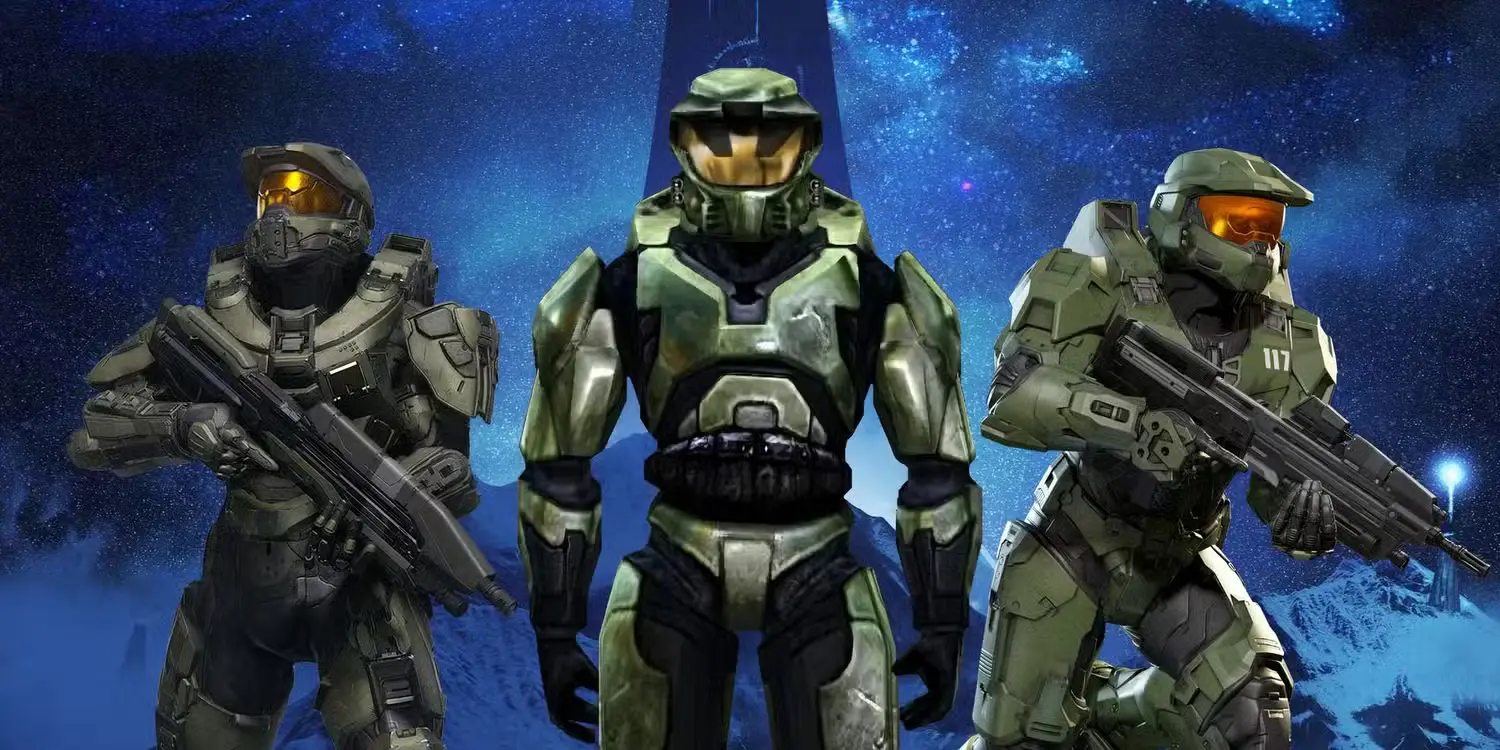
Looking back at Lehto’s creative process offers a valuable lesson: iconic designs rarely spring fully formed from a single moment of inspiration. They’re the product of iteration, refinement, and a willingness to start over when something isn’t working. Nine attempts might seem excessive, but each one brought Lehto closer to understanding what Master Chief needed to be.
That same spirit of iteration and evolution continues to define the franchise today. As Halo Studios navigates new engines, new platforms, and new expectations, they’re essentially doing what Lehto did decades ago—trying different approaches until they find what works. The difference is that now they’re building on a foundation that’s already proven its strength.
Master Chief’s design has endured for over two decades because it captured something essential: the fantasy of being an unstoppable warrior, grounded in just enough reality to feel tangible. From tanks and helicopters to bike helmets, Lehto pulled from the world around him to create something that transcended its influences. That’s the mark of truly great design—when the sum becomes greater than its parts, and a character becomes a legend.
Stay tuned for more gaming insights, behind-the-scenes stories, and industry news. Follow us to keep your finger on the pulse of everything that matters in the gaming world.